How to Transplant Scheer's beehive cactus?
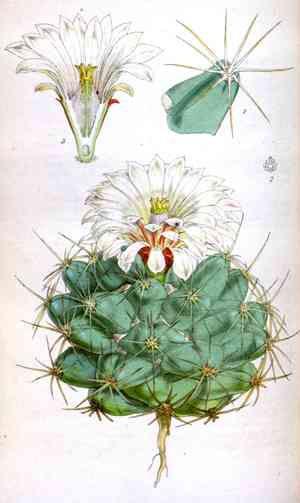
Scheer's beehive cactus flourishes most effectively when repotted between early and late summer, facilitating superior root development. Select a bright spot with soil that drains efficiently to foster acclimatization. Carefully manage the roots to prevent harm and encourage a seamless integration.
What Preparations are Needed Before Transplanting Scheer's Beehive Cactus?
What is the Ideal Time for Transplanting Scheer's Beehive Cactus?
Moving scheer's beehive cactus between early and late summer is optimal as the warmer temperatures and extended daylight hours encourage strong root growth and adaptation. This timing also minimizes transplant stress and ensures the plant establishes well before winter. Early to late summer offers sufficient growth periods, boosting the plant's resilience and overall health.
How Much Space Should You Leave Between Scheer's Beehive Cactus Plants?
When relocating your scheer's beehive cactus, ensure a spacing of 12-18 inches (30-45 cm) between them. This provides ample room for individual plant development and promotes good air circulation.
What is the Best Soil Mix for Scheer's Beehive Cactus Transplanting?
For your scheer's beehive cactus, utilize a well-draining substrate like a cactus blend or sandy soil. To enrich the medium, incorporate a foundational fertilizer such as granular cactus food to supply essential nutrients.
Where Should You Relocate Your Scheer's Beehive Cactus?
Select a sunny location for your scheer's beehive cactus where it can receive at least 6-8 hours of direct sunlight daily. This will ensure vigorous growth and vibrant coloration.
What Equipments Should You Prepare Before Transplantation Scheer's Beehive Cactus?
Gardening Gloves
To safeguard your hands while handling soil and plants.
Shovel or Garden Spade
For excavating around the plant and the new planting site.
Trowel
To aid in digging smaller holes or working in confined areas.
Pruning Shears
To trim any damaged roots or plant sections.
Buckets or Containers
To temporarily hold the plant during the relocation process.
Watering Can or Hose
For hydrating the plant before and after its move.
How Do You Remove Scheer's Beehive Cactus from the Soil?
How Do You Remove Scheer's Beehive Cactus from the Soil?
From Ground: First, moisten the soil around the scheer's beehive cactus. Then, dig a wide trench around the plant using a shovel or spade, ensuring the root ball remains intact. Carefully work the spade beneath the root ball to lift the plant from its original spot.From Pot: Gently water the plant to facilitate removal. Tap the pot's sides to loosen the soil and roots. Carefully invert the pot while supporting the plant with your other hand, and gently extract the plant.From Seedling Tray: Lightly water the seedlings. Insert a trowel or your fingers under the seedling's root system and carefully lift it, taking care not to harm the roots.
Step-by-Step Guide for Transplanting Scheer's Beehive Cactus
Site Preparation
Choose a location with adequate sunlight for your scheer's beehive cactus. Ensure the soil drains well and prepare the transplant site by digging a hole that is twice as wide and as deep as the plant's root ball.
Remove the Plant
Refer to the specific plant removal method described above that suits your initial planting situation (ground, pot, or seedling tray). Carefully lift and transport the plant to its new location.
Planting
Place the scheer's beehive cactus into the prepared hole, making sure the top of the root ball is level with the surrounding soil. Backfill the hole with soil, gently pressing around the base to eliminate air pockets.
Watering
After planting, thoroughly water the area to settle the soil around the roots. Ensure the water reaches the root zone without oversaturating the soil.
How Do You Care For Scheer's Beehive Cactus After Transplanting?
Watering
Maintain consistent moisture around the scheer's beehive cactus, avoiding sogginess, for the initial weeks post-transplant to encourage robust root establishment.
Protection
If intense sunlight or cold weather is anticipated, use a temporary shade cloth or covering to shield the newly transplanted cactus. Gradually acclimatize the plant to its new surroundings.
Monitoring
Regularly inspect the cactus for indications of stress or transplant shock, such as wilting or discoloration. Adjust care as necessary to ensure the plant thrives in its new spot.
Troubleshooting Common Issues with Scheer's Beehive Cactus Transplantation.
When is the best time to transplant scheer's beehive cactus?
The optimal period to transplant scheer's beehive cactus is from early summer to late summer.
How far apart should I space scheer's beehive cactus?
Space scheer's beehive cactus 12-18 inches (30-45 cm) apart for ideal growth.
How do I prepare scheer's beehive cactus for transplanting?
Water scheer's beehive cactus sparingly before transplanting and ensure the soil is slightly moist but not wet.
What soil type is best for scheer's beehive cactus?
Utilize a well-draining cactus or succulent soil mix to prevent root rot.
How do I protect myself from scheer's beehive cactus's spines?
Wear thick gloves and use newspaper or tongs to handle scheer's beehive cactus safely.
Should I fertilize scheer's beehive cactus after transplanting?
Wait at least a month before fertilizing scheer's beehive cactus with a balanced, diluted cactus fertilizer.
How deep should the hole be for transplanting scheer's beehive cactus?
Excavate a hole slightly larger than the root ball, approximately 5-6 inches (12-15 cm) deep.
What are signs of transplant shock in scheer's beehive cactus?
Look for shriveling, yellowing, or wilting, which indicate transplant shock in scheer's beehive cactus.
How often should I water scheer's beehive cactus after transplanting?
Water lightly once every 1-2 weeks until scheer's beehive cactus establishes, then resume normal watering.
Can I transplant scheer's beehive cactus during a heatwave?
Avoid transplanting scheer's beehive cactus during extreme heat; wait for cooler summer temperatures.



