How to Propagate Scheer's beehive cactus?
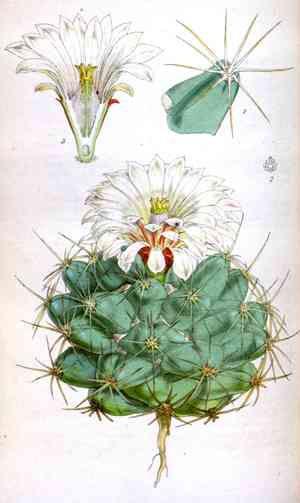
Reproducing scheer's beehive cactus is successfully accomplished via seeding. Verify that seeds originate from trustworthy vendors and utilize a potting blend designed for cacti that drains efficiently. Disperse seeds on the surface, gently covering them with the growing medium, and sustain uniform dampness until sprouting occurs. A warm, luminous setting will considerably boost germination success. After the young plants emerge, progressively introduce them to less humid surroundings. Consistent irrigation is vital during the early development stage, gradually reducing as the plants age.
When Is the Best Time to Propagate Scheer's Beehive Cactus?
Propagation Method
Seeding
Propagation Period
Spring
What Tools Are Used for Scheer's Beehive Cactus Propagation?
Seed Trays
Seed trays offer a regulated setting for planting scheer's beehive cactus seeds. They keep seeds organized and promote uniform development. Trays with adequate drainage are vital to avoid waterlogging and root decay.
Sterilized Growing Medium
A sterile cactus or succulent potting mix is essential when planting scheer's beehive cactus seeds to ensure they are not exposed to harmful organisms. The medium should drain well to mimic the plant's natural dry habitat.
Humidity Dome
Humidity domes maintain a steady moisture level, crucial for the germination of scheer's beehive cactus seeds. They help retain dampness and create an ideal micro-environment for seed sprouting.
Heat Mat
Heat mats can provide the consistent, warm temperature that scheer's beehive cactus seeds may require for effective germination. Maintaining optimal soil temperature encourages faster and more even sprouting.
Fine Mist Sprayer
A fine mist sprayer allows for gentle irrigation of the delicate scheer's beehive cactus seeds and seedlings, ensuring they receive sufficient moisture without disturbing their position in the soil.
Labeling Stakes
Labeling stakes assist in tracking different seed batches and their planting dates. This is especially helpful for monitoring the progress and success rates of scheer's beehive cactus germination.
Magnifying Glass
A magnifying glass can be useful for closely examining scheer's beehive cactus seeds and seedlings for signs of germination and for checking for pests or diseases at an early stage.
Tweezers
Tweezers are helpful for handling the small scheer's beehive cactus seeds during planting. They allow for accurate placement without harming the seeds or seedlings.
How to Propagate Scheer's Beehive Cactus?
Propagation Difficulty
Easy
How to Care for Your Newly Propagated Scheer's Beehive Cactus?
How to Care for Your Newly Propagated Scheer's Beehive Cactus?
After transplanting, ensure scheer's beehive cactus is placed in a spot that gets ample indirect sunlight. Water sparingly, letting the soil dry out completely between waterings to prevent root rot. Gradually introduce the young plants to more direct sunlight over several weeks. Watch for pests and diseases, keeping a clean growing environment. Fertilize lightly with a cactus-specific fertilizer during the active growth period to support healthy development.
Common Mistakes to Avoid When Propagating Scheer's Beehive Cactus
Overwatering
This can lead to root decay, a frequent problem for cacti, as scheer's beehive cactus needs well-drained soil and minimal moisture.
Using Non-Sterile Tools
Unsterilized cutting instruments can introduce pathogens that may infect the plant at the wound site, hindering successful propagation.
Improper Light Conditions
Providing either too much direct sun or insufficient light can stress scheer's beehive cactus, impacting its growth and ability to propagate.
Incorrect Soil Mix
Using a soil blend that retains too much moisture can result in poor root development and increased vulnerability to rot.
Improper Cutting Technique
Making uneven or jagged cuts can harm the parent plant and reduce the chances of successful rooting in cuttings.
Tips For Propagating Scheer's Beehive Cactus
Water Sparingly
Only water sparingly, allowing the soil to completely dry out between waterings to prevent root rot and encourage healthy growth.
Use Sterile Tools
Always use clean, sterilized cutting tools to prevent the introduction of diseases and pathogens during propagation.
Optimal Light Exposure
Place scheer's beehive cactus in an area with bright, indirect light to ensure it receives enough light without being scorched by intense direct sunlight.
Well-Draining Soil
Utilize a cactus or succulent soil mix that ensures excellent drainage to prevent water retention around the roots.
Clean and Precise Cuts
Make clean, precise cuts using sharp tools to promote quick healing and increase the likelihood of successful propagation.



