How to Transplant Corymbia polycarpa?
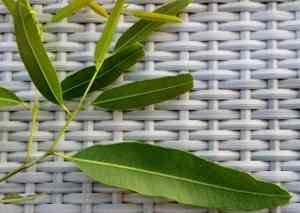
The ideal window for relocating corymbia polycarpa spans from the beginning to the end of spring, enabling the specimen to develop its root system in warmer temperatures. Select a bright, adequately draining spot for optimal growth. Exercise caution to lessen any disruption to the roots.
What Preparations are Needed Before Transplanting Corymbia Polycarpa?
What is the Ideal Time for Transplanting Corymbia Polycarpa?
Moving corymbia polycarpa, a perennial, is best accomplished from early to late spring due to favorable weather. This timing allows corymbia polycarpa to develop robust roots prior to summer's heat, boosting survival rates and encouraging vigorous growth. Early spring offers cooler temperatures and consistent moisture, optimizing the plant's transition and development.
How Much Space Should You Leave Between Corymbia Polycarpa Plants?
When relocating corymbia polycarpa, maintain a distance of 20-30 feet (6-9 meters) between individual plants. This ensures ample room for growth without resource competition.
What is the Best Soil Mix for Corymbia Polycarpa Transplanting?
Prepare the soil by ensuring it drains well and has a sandy texture. Incorporating a phosphorus-rich base fertilizer will supply vital nutrients for corymbia polycarpa's root development.
Where Should You Relocate Your Corymbia Polycarpa?
Select a site that receives full sunlight, meaning at least 6-8 hours daily. This will help corymbia polycarpa flourish and grow strongly in its new position.
What Equipments Should You Prepare Before Transplantation Corymbia Polycarpa?
Gardening Gloves
To safeguard your hands while handling soil and the plant.
Shovel or Spade
For excavating around the plant and creating a planting hole.
Trowel
For more precise digging tasks and minor adjustments.
Garden Fork
To gently loosen and lift the plant from the ground or container.
Pruning Shears
To trim any damaged or excessively long roots.
Watering Can or Hose
For hydrating the plant before and after its relocation.
Wheelbarrow
To transport the corymbia polycarpa plant to its new spot.
Mulch
To help retain soil moisture and aid in the plant's establishment.
How Do You Remove Corymbia Polycarpa from the Soil?
How Do You Remove Corymbia Polycarpa from the Soil?
From Ground: First, hydrate the corymbia polycarpa plant to moisten the soil. Next, dig a wide trench around the plant using a shovel or spade, ensuring the plantâs root ball stays intact. Carefully work the spade beneath the root ball to lift the plant from its original spot.From Pot: Gently tap the pot's sides to loosen the soil, then tip the pot to extract the corymbia polycarpa plant. If the plant is stuck, use a trowel to loosen roots around the edges.From Seedling Tray: Use a trowel or your fingers to carefully lift seedlings from the tray, taking care not to harm the roots. If roots are tangled, gently separate them.
Step-by-Step Guide for Transplanting Corymbia Polycarpa
Planning
Determine the optimal time for relocating corymbia polycarpa, ideally during early spring or fall when temperatures are moderate.
Prepare the Site
Ensure the planting location is ready with well-prepared soil. Dig a hole that is twice the width and the same depth as the root ball of the corymbia polycarpa plant.
Plant Removal
Follow the appropriate plant extraction method based on whether your corymbia polycarpa plant is in the ground, a pot, or a seedling tray.
Inspect and Trim
Examine the root ball for any damaged roots and trim them with pruning shears before transplanting.
Planting
Place the corymbia polycarpa plant in the prepared hole, ensuring it sits at the same depth as it was in its original location. Fill in around the plant with soil, firming it gently as you go to remove any air pockets.
Watering
Water the corymbia polycarpa plant thoroughly after transplanting to help settle the soil around the roots.
Mulching
Apply a layer of mulch around the base of the plant to help retain moisture and regulate soil temperature.
How Do You Care For Corymbia Polycarpa After Transplanting?
Watering
Keep the soil around the corymbia polycarpa consistently moist, but not waterlogged, for the initial weeks post-transplant to aid in root establishment.
Monitoring
Observe for any indications of transplant shock, such as wilting or yellowing leaves, and ensure the plant is not exposed to harsh conditions.
Mulch Maintenance
Check mulch regularly to ensure it hasnât been displaced and add more if needed to maintain a consistent layer.
Troubleshooting Common Issues with Corymbia Polycarpa Transplantation.
When is the best time to transplant corymbia polycarpa?
Early to late spring is ideal for relocating corymbia polycarpa to ensure optimal growth.
How much space is needed between corymbia polycarpa plants?
Ensure a 20-30 feet (6-9 meters) distance between each corymbia polycarpa plant for proper growth.
What type of soil does corymbia polycarpa prefer?
Corymbia polycarpa thrives in well-draining soil, preferably sandy or loamy with good organic content.
How should I prepare the hole for transplanting corymbia polycarpa?
Dig a hole twice the width and depth of the root ball to help corymbia polycarpa establish easily.
How often should I water corymbia polycarpa after transplanting?
Water corymbia polycarpa deeply and regularly for the first few months to help it establish strong roots.
What should I do if corymbia polycarpa shows signs of transplant shock?
Keep corymbia polycarpa well-watered and provide shade if necessary. Avoid fertilizing until it recovers.
Should I prune corymbia polycarpa before transplanting?
Lightly prune any damaged or overly long roots before relocating corymbia polycarpa to promote healthy growth.
How do I protect corymbia polycarpa from pests during transplanting?
Use natural pest repellents and regularly inspect corymbia polycarpa for pests to prevent infestations during establishment.
Can corymbia polycarpa be transplanted in hotter months?
Relocating corymbia polycarpa in cooler months, specifically early to late spring, minimizes stress and maximizes success.
How do I ensure corymbia polycarpa adapts to its new location?
Mulch around corymbia polycarpa to retain moisture and regulate soil temperature, aiding its adaptation to the new site.



