How to Prune Corymbia polycarpa?
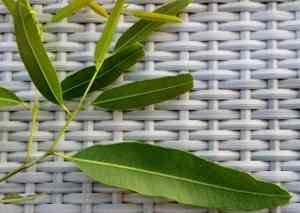
Corymbia polycarpa, known for its expansive, thick leaves and hardiness, thrives with trimming performed in early spring or late winter. Essential methods involve excising dead or ailing limbs, reducing congested zones to boost air circulation, and cutting back excessively long parts to stimulate strong development. Appropriate pruning improves the plant's well-being and visual appeal, fostering more substantial and symmetrical growth. Adhere to these seasonal recommendations to synchronize with the plant's natural growth pattern for peak outcomes, guaranteeing superior blooming and structural soundness.
What Are the Benefits of Pruning Corymbia Polycarpa?
What Are the Benefits of Pruning Corymbia Polycarpa?
Corymbia polycarpa thrives with trimming, which encourages strong development and maintains its form. Pruning helps control size, boosts overall plant vitality, and improves resistance to pests and illnesses, ensuring a sturdy and attractive look.
What Is the Best Time for Pruning Corymbia Polycarpa?
What Is the Best Time for Pruning Corymbia Polycarpa?
Trimming or cutting corymbia polycarpa is best done in early spring or late winter. During these times, corymbia polycarpa is typically dormant or just starting to emerge from dormancy, making it less vulnerable to stress and diseases. Additionally, pruning at this point promotes vigorous new growth as the plant enters its peak growing season. Pruning before the start of the growth cycle ensures that cuts and wounds heal quickly, reducing the chance of infection and promoting overall plant health.
What Tools Do I Need to Prune Corymbia Polycarpa?
Bypass Pruners
Bypass pruners are perfect for young shoots and small branches on corymbia polycarpa. They create clean cuts that help the plant recover quickly, minimizing disease risk.
Loppers
Loppers are suitable for thicker branches on corymbia polycarpa that are up to 1-2 inches in diameter. They offer greater leverage, making it easier to cut through denser wood.
Pruning Saw
A pruning saw is essential for cutting through thick branches larger than 2 inches in diameter. This tool is vital for maintaining the health and structure of mature corymbia polycarpa plants.
Pole Pruner
Pole pruners are useful for reaching higher branches without needing a ladder. This allows gardeners to safely trim tall sections of corymbia polycarpa.
Hand Pruners
Hand pruners can be used for detailed shaping and removing dead or damaged leaves and smaller stems on corymbia polycarpa. They are excellent for precision tasks.
How to Prune Corymbia Polycarpa
Assessment
Start by carefully inspecting corymbia polycarpa for any dead or diseased branches. Identifying these problematic areas is crucial for maintaining the plant's health.
Sanitization
Before pruning, disinfect your pruning shears with alcohol or a bleach solution to prevent the spread of disease.
Removal
Trim dead branches at the point where they connect to a healthy section of the plant. Make clean cuts to prevent tearing the bark.
Diseased branch cut
For diseased branches, cut several inches below the visible signs of disease. Ensure each cut is clean and precise. Dispose of removed diseased material properly to avoid contamination.
Aftercare
After pruning, monitor corymbia polycarpa for any signs of stress or new disease. Water the plant thoroughly and apply mulch if necessary to support recovery.
Common Pruning Mistakes with Corymbia Polycarpa
Over-pruning
Removing too much of the plant can shock corymbia polycarpa, leading to poor growth and health.
Incorrect cuts
Making improper cuts, such as leaving stubs or cutting too close to the trunk, can harm corymbia polycarpa and promote disease.
Pruning at the wrong time
Pruning during periods of active growth can stress corymbia polycarpa, hindering its ability to flower properly.
Common Pruning Tips for Corymbia Polycarpa
Use sharp tools
Always use sharp, clean tools to make precise cuts and reduce the risk of disease.
Remove dead wood
Focus on removing any dead, damaged, or diseased branches to maintain corymbia polycarpa's health.
Thin out crowded branches
Enhance air circulation and light penetration by thinning out overly dense areas, which encourages robust growth.
Maintain natural shape
Prune in a way that preserves corymbia polycarpa's natural form, promoting aesthetic appeal and structural integrity.
Cut at the right angle
Make cuts at a slight angle to prevent water accumulation on the cut surface, reducing the risk of rot.



