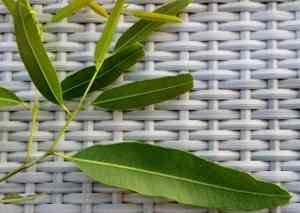
Corymbia polycarpa (Corymbia polycarpa)
Also known as: Northern Ghost Gum, Ghost Gum, Ghost Eucalyptus
Eucalyptus miniata, commonly known as the Darwin woollybutt, is a resilient species thriving in Australia's tropical savannas. It features smooth, patchy bark that sheds in flakes, unveiling a mix of grey and cream hues. This tall and sturdy tree produces cream-colored flowers that contribute to the local ecosystem. With broad, glossy leaves that stand out in the arid landscape, Eucalyptus miniata is well-adapted to withstand fires, resprouting vigorously and showcasing nature's tenacity.
In This Article
Attributes of Corymbia polycarpa
Lifespan
Perennial
Plant Type
Tree
Plant Height
10-20 meters
Spread
8-12 meters
Leaf Color
Dark green
Flower Size
1-1.5 cm
Flower Color
White to cream
Images of Corymbia polycarpa
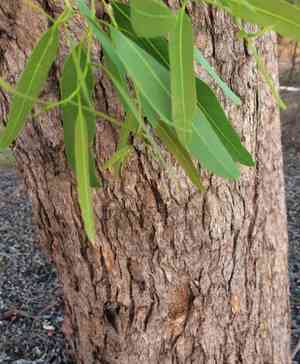
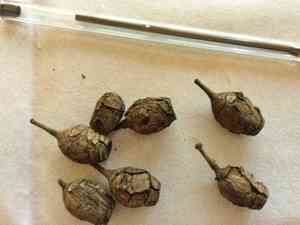
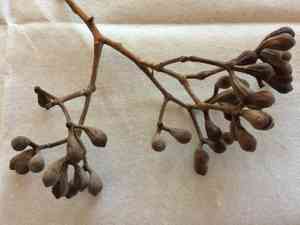
Quickly Identify Corymbia polycarpa
1
To identify Corymbia polycarpa, look for its smooth, white to cream bark that peels in thin patches. Leaves are typically lance-shaped and can be up to 12 cm long. It produces clusters of white to cream flowers during the dry season.
Scientific Classification of Corymbia polycarpa
Phylum
Vascular plants
Class
Dicotyledons
Order
Myrtales
Family
Myrtle
Genus
Corymbia
Species
Corymbia polycarpa
Planting and Growing of Corymbia polycarpa
Care Difficulty
Moderate
Watering Schedule
Every 2 days
Sunlight Requirements
Full sun
Sunshine Duration
4-8 hours
Ideal Temperature
68-86℉
Soil Type
Potting Mix, Peat Mix
Soil pH
6.5-7.5
Fertilizer Type
Balanced
Pruning Season
Spring, Summer
Pruning Area
Branches, Leaves
Pruning Frequency
Once a year
Repotting Season
Spring
Pot Type
Ceramic, Plastic
 How to Water Corymbia polycarpa?
Corymbia polycarpa requires a generous amount of water, approximately 1000ml each time. The aim is to ensure the soil remains moist but not waterlogged. Ideally, water should reach the root zone, as this encourages strong root growth essential for the tree's health.
What are the symptoms of an underwatered Corymbia polycarpa?
›
What should I do if my Corymbia polycarpa is not getting enough water?
›
What are the symptoms of an overwatered Corymbia polycarpa?
›
How to save an overwatered Corymbia polycarpa?
›
 What Are the Sunlight Requirements for Corymbia polycarpa?
Corymbia polycarpa thrives in full sun with optimal conditions ensuring vigorous growth, enhanced foliage, and better flowering, contributing to its healthy life cycle.
What is the plant's natural habitat?
›
What artificial lighting solutions are available?
›
How does proper sunlight duration affect the plant?
›
 What Is the Ideal Temperature Range for Corymbia polycarpa?
Corymbia polycarpa thrives best within a daily temperature range of 68°F to 86°F, which optimizes its photosynthesis processes and overall health. Consistent temperatures in this range ensure that the plant can maintain its metabolic activities without stress. Fluctuations within this range are generally manageable due to the plant's adaptive capabilities.
 What Soil is Best for Corymbia polycarpa?
Corymbia polycarpa thrives in well-drained soils since they prevent waterlogging, a condition detrimental to root health. Proper drainage ensures that the roots have adequate access to oxygen, promoting overall plant vitality and reducing the risk of root rot. A soil rich in essential nutrients supports the healthy growth and foliage of Corymbia polycarpa. Nutrients such as nitrogen, phosphorus, and potassium are vital for photosynthesis and robust growth, contributing to the eucalyptus plant's majestic stature. While good drainage is crucial, the soil should also retain some moisture to support the plant's water needs, particularly in drier periods. This balance between moisture retention and drainage is key to optimal growth and ecological balance.
 How to Fertilize Corymbia polycarpa?
Corymbia polycarpa, commonly known as the Swamp Bloodwood, requires a balanced application of nutrients. For liquid fertilizer, dilute as per instructions and apply 500 ml around the base of the plant every two weeks.
 How to Prune Corymbia polycarpa?
Use clean, sharp pruning shears or a saw for larger branches to make precise cuts. This prevents damage to the tree and ensures clean healing of cuts. Ensure your tools are sterilized to avoid spreading any diseases. Always cut at a slight angle and just above a bud or branch junction. This promotes proper healing and prevents water accumulation on the cut surface, reducing the risk of rot or disease infiltrating the tree.
More About Pruning Techniques→
 How to Propagate Corymbia polycarpa plant?
1
Gather seeds from mature Corymbia polycarpa trees. Ensure that the seeds are dark and firm, indicating maturity. It's essential to dry the seeds completely before starting the germination process to prevent mold.
2
Plant the seeds in seed trays filled with the pre-prepared soil mix. Sow the seeds thinly and cover them lightly with the soil. Keep the trays in a sunny location but protected from strong winds.
3
Water the seeds carefully to keep the soil moist but not waterlogged. Use a fine mist spray to avoid dislodging the seeds. Regularly check for weeds or pests and remove any that appear.
 How to Repot Corymbia polycarpa plant?
1
Corymbia polycarpa typically needs repotting when you notice its growth has slowed, roots are poking out of the drainage holes, or the soil is compacted and doesn't hold water well. Spring and summer are the optimal times to perform this task as they align with the plant's active growing season, facilitating quicker acclimatization.
2
Select a pot that's 2-3 inches larger in diameter than the current one. Ensure it has ample drainage holes to prevent waterlogging. Using the right pot size promotes healthy root growth and prevents oversaturation, which can lead to root rot. A material like clay can also help manage moisture levels better.
3
Opt for a loamy, well-draining soil mix tailored for native plants. Such soil ensures the right balance between moisture retention and aeration, reducing the risk of overwatering. A quality potting mix will incorporate components like sand or perlite, enhancing drainage and preventing root suffocation.



