How to Transplant Round-Leaved Dogwood?
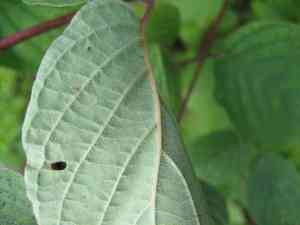
Relocate Cornus circinata during the mild period of early to late spring, which is ideal for root development. Select a site offering partial to moderate shade and soil that drains effectively. Careful handling is crucial to prevent transplant shock.
What Preparations are Needed Before Transplanting Round-leaved Dogwood?
What is the Ideal Time for Transplanting Round-leaved Dogwood?
The optimal period to relocate round-Leaved Dogwood is during the revitalization phase of early to mid-spring. This season provides a harmonious blend of cooler temperatures and ample soil moisture, fostering robust root development before summer's heat. Moving round-Leaved Dogwood within this timeframe ensures the plant has sufficient opportunity to acclimate to its new site, capitalizing on spring's inherent growth surge. This strategic timing guarantees a smooth transition for round-Leaved Dogwood, leveraging spring's nurturing conditions for a flourishing start in its new home.
How Much Space Should You Leave Between Round-leaved Dogwood Plants?
When preparing a new home for round-Leaved Dogwood, remember they require adequate personal space to thrive. Aim for a generous distance of 4-6 feet (1.2-1.8 meters) between each plant. This ample room will allow them to grow unhindered and contentedly!
What is the Best Soil Mix for Round-leaved Dogwood Transplanting?
For round-Leaved Dogwood, consider soil their preferred comfortable covering. They flourish in well-drained, loamy soil. Give them the best start by incorporating some compost or a balanced, slow-release fertilizer to nourish their roots!
Where Should You Relocate Your Round-leaved Dogwood?
Our companion round-Leaved Dogwood appreciates a good mix of sun and shade. Select a location that receives morning sunlight but transitions into partial shade during the afternoon's peak. That perfect equilibrium will make them radiate with happiness!
What Equipments Should You Prepare Before Transplantation Round-leaved Dogwood?
Gardening Gloves
To safeguard your hands while excavating and handling the root mass of round-Leaved Dogwood.
Shovel or Spade
To excavate the root ball when extracting round-Leaved Dogwood from its initial spot, and to dig the new cavity.
Wheelbarrow or Garden Cart
To move the round-Leaved Dogwood from one place to another without harming the root system.
Pruning Shears
To trim any damaged roots or excessive foliage prior to relocation.
Watering Can or Hose
To hydrate the round-Leaved Dogwood before removal, and to maintain moisture after transplanting.
Mulch
To assist in retaining soil moisture and regulating temperature around the fresh planting area.
Stake and Ties (if necessary)
To provide round-Leaved Dogwood with additional stability in its new location until the roots are established.
How Do You Remove Round-leaved Dogwood from the Soil?
How Do You Remove Round-leaved Dogwood from the Soil?
From Ground: Start by irrigating the round-Leaved Dogwood to dampen the soil, facilitating easier digging. Use a shovel or spade to create a trench around the plant, several inches away from the stem to safeguard the root ball. Gently insert the spade beneath the root ball and lift round-Leaved Dogwood from the ground.From Pot: Thoroughly water round-Leaved Dogwood, allowing excess water to drain. Turn the pot on its side and gently tap the edges to loosen the root mass. Slowly ease the plant out of the pot, supporting the base and stem.From Seedling Tray: Water the young plants thoroughly. Use a spoon or a small implement to loosen the soil surrounding each round-Leaved Dogwood seedling. Carefully lift the seedling by its leaves, not the stem, ensuring the entire root ball is intact.
Step-by-Step Guide for Transplanting Round-leaved Dogwood
Prepare the New Location
Dig a hole that is twice the width of the round-Leaved Dogwood's root ball and equally deep. Loosen the soil around the edges to facilitate root expansion.
Examine the Root Ball
Before planting, inspect the root ball for any dead or broken roots and remove them with pruning shears.
Position round-Leaved Dogwood
Place round-Leaved Dogwood in the center of the newly dug hole. The top of the root ball should be level with or slightly above the surrounding soil to prevent water accumulation around the stem.
Backfill the Hole
Carefully refill the hole around the root ball with soil, gently tamping it down to eliminate air pockets without overly compacting the soil.
Initial Watering
Water round-Leaved Dogwood thoroughly to help settle the soil and hydrate the roots. This will also aid in removing any remaining air pockets.
Apply Mulch
Spread a layer of mulch around round-Leaved Dogwood, keeping it a few inches away from the stem to prevent rot.
How Do You Care For Round-leaved Dogwood After Transplanting?
Watering Routine
Establish a consistent watering schedule, ensuring round-Leaved Dogwood receives adequate moisture, especially in the initial weeks post-transplantation, as it adjusts to its new environment.
Checking for Stability
Monitor round-Leaved Dogwood for indications of weakness or leaning, and utilize stakes and ties for support if it appears unstable while new roots develop.
Pruning
Trim any damaged or excessive growth to promote a stronger, healthier plant, directing energy towards root development.
Protection
If severe weather is anticipated, consider providing temporary cover for round-Leaved Dogwood to prevent damage until it becomes more established in its new location.
Troubleshooting Common Issues with Round-leaved Dogwood Transplantation.
Why is my newly transplanted round-Leaved Dogwood not thriving?
Ensure it's planted during early to late spring for optimal root establishment and avoid compacted soil and extreme temperatures. Maintain consistent moisture.
What is the proper spacing for transplanting round-Leaved Dogwood?
Space round-Leaved Dogwood approximately 4-6 feet (1.2-1.8 meters) apart. This promotes healthy growth and sufficient air circulation.
How deep should I plant round-Leaved Dogwood?
The root ball should be positioned so its top is flush with the ground. Avoid planting too deeply to prevent stem rot.
Should the soil be amended when transplanting round-Leaved Dogwood?
Yes, incorporate compost with the existing soil to enhance drainage and nutrient content, fostering round-Leaved Dogwood's growth.
How do I prepare the root ball of round-Leaved Dogwood for transplanting?
Water round-Leaved Dogwood thoroughly before transplanting. Gently loosen the roots to encourage them to spread into the surrounding soil.
Can I transplant round-Leaved Dogwood under direct sunlight?
Transplant round-Leaved Dogwood in a location with partial shade to full sun exposure, avoiding intense midday sun immediately after transplanting.
Why are the leaves of my transplanted round-Leaved Dogwood wilting?
Wilting after transplanting is common due to root disturbance. Keep the soil evenly moist and provide shade to aid recovery.
How much water does round-Leaved Dogwood need after transplanting?
Water round-Leaved Dogwood thoroughly after transplanting and maintain consistent moisture. Avoid overwatering to prevent root rot.
Is it necessary to stake round-Leaved Dogwood after transplanting?
Staking is rarely required unless it's in an exceptionally windy area. Allow round-Leaved Dogwood to develop strong, natural support.
How can I protect round-Leaved Dogwood from pests after transplanting?
Mulch around round-Leaved Dogwood, but not touching the stem, to conserve moisture and reduce weed competition. Inspect regularly for pests.



