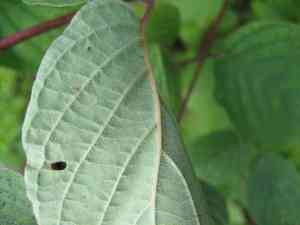
Round-Leaved Dogwood(Cornus rugosa)

Round-Leaved Dogwood (Cornus rugosa)

Also known as: Roundleaf dogwood

In certain regions, the Round-Leaved Dogwood (Cornus rugosa) is classified as endangered. This deciduous shrub typically thrives in moist, well-drained soils, often found in forest edges and woodland areas. It favors partial shade but can also grow in full sun. Blooming in late spring, it produces clusters of white flowers, followed by blue or white berries in late summer that are appealing to birds.

The species faces threats primarily due to habitat destruction, competition from invasive species, and land-use changes. Urban development, deforestation, and agricultural practices diminish its natural habitats, while invasive plants can outcompete it for essential resources. Conservation efforts are crucial to protect and restore its natural environments to prevent further decline.

Attributes of Round-Leaved Dogwood

Lifespan
Perennial
Plant Type
Tree
Plant Height
1.8 m to 3 m
Spread
1.8 m to 3.5 m
Leaf Color
Dark green in summer, pale yellow in autumn
Flower Size
3 cm to 6 cm
Flower Color
White

ForwardPlant - Identify plants with a snap

Identify and diagnose plants, get toxicity alerts, and explore safety guides for all types of fungi.

Try for Free

Images of Round-Leaved Dogwood

Round-Leaved Dogwood(Cornus rugosa)

Quickly Identify Round-Leaved Dogwood

1
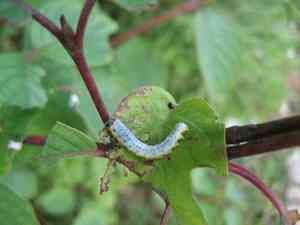
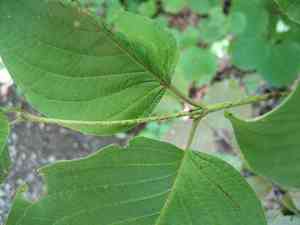
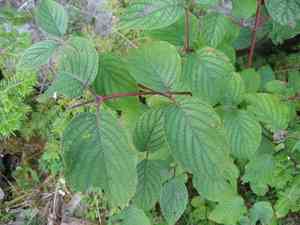
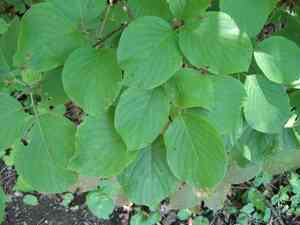
Identification involves looking for its distinctive round leaves, which have a slightly wrinkled texture, along with its clusters of small white flowers and subsequent blue or white fruit.

Scientific Classification of Round-Leaved Dogwood

Phylum
Vascular plants
Class
Dicotyledons
Order
Cornales
Family
Dogwood
Genus
Dogwoods
Species
Round-Leaved Dogwood

Planting and Growing of Round-Leaved Dogwood

Care Difficulty
Easy
Watering Schedule
Every 3 days
Sunlight Requirements
Partial sun
Sunshine Duration
6-12 hours
Ideal Temperature
55-77℉
Soil Type
Potting Mix, Peat Mix
Soil pH
5.5-7
Fertilizer Type
Balanced
Pruning Season
Spring, Summer
Pruning Area
Branches, Leaves
Pruning Frequency
2 times a year
Repotting Season
Spring
Pot Type
Plastic, Terracotta

water icon How to Water Round-Leaved Dogwood?

For Cornus rugosa, watering should be done ensuring the soil is evenly moist but not waterlogged. Aim for about 250 ml of water per session. This allows moisture to penetrate deep into the roots without oversaturating the plant, fostering healthy growth.
What are the symptoms of an underwatered Round-Leaved Dogwood?
What should I do if my Round-Leaved Dogwood is not getting enough water?
What are the symptoms of an overwatered Round-Leaved Dogwood?
How to save an overwatered Round-Leaved Dogwood?

sunlight icon What Are the Sunlight Requirements for Round-Leaved Dogwood?

Sunlight Requirements: Partial sun, Full shade
Duration of light: Four to six hours
Cornus rugosa prefers partial to full shade, thriving in four to six hours of light. Proper light exposure supports healthy foliage, structural strength, and overall vigor, protecting it from environmental stresses.
How much sunlight is needed?
What solutions are there for ideal lighting?
What are the benefits of proper lighting conditions?
More About Sunlight Requirements Techniques

temperature icon What Is the Ideal Temperature Range for Round-Leaved Dogwood?

Ideal Temperature: 55 ~ 77℉
The ideal temperature range for Cornus rugosa, also known as roundleaf dogwood, is between 55°F and 77°F. This temperature range allows the plant to grow optimally, ensuring vigorous development and healthy foliage. Maintaining this temperature range helps in preventing stress and promoting robust flowering and fruiting.

soil icon What Soil is Best for Round-Leaved Dogwood?

Soil type: Loam, Sandy loam, Acidic soil
Soil PH: 5.5 ~ 7
Cornus rugosa thrives in soil that retains adequate moisture, promoting healthy growth and vibrant leaf coloration. Consistent moisture availability supports efficient nutrient absorption and enhances drought resistance. It requires soil with good drainage to prevent root rot and other waterlogging issues. Proper drainage ensures roots receive necessary oxygen and prevents soil compaction, crucial for robust development. Rich, organically rich soil is essential for Cornus rugosa to provide the necessary nutrients for optimal growth. The presence of organic matter enhances the soil structure and microbial activity beneficial for plant health.

fertilize icon How to Fertilize Round-Leaved Dogwood?

Fertilizer type: Balanced
For Cornus rugosa, the application of liquid fertilizers should be moderately controlled. Use the recommended dose as specified on the fertilizer package, which typically suggests diluting the liquid fertilizer to half-strength to prevent fertilizer burn. When using slow-release fertilizers, apply as per the package instructions based on the plant size and condition.

prune icon How to Prune Round-Leaved Dogwood?

Pruning Time: Spring, Summer
Ensure your pruning tools are sharp and clean to make precise cuts. This reduces the likelihood of crushing plant tissue, which can lead to disease. Keep tools sanitized before each use to prevent spreading pathogens. Identify your pruning goals before you start. Whether to shape, rejuvenate, or remove dead wood, having a clear plan reduces stress on the plant and achieves the desired aesthetic. For Cornus rugosa, consider its natural shape and growth habit before making major cuts. More About Pruning Techniques

propagate icon How to Propagate Round-Leaved Dogwood plant?

Propagate Time: Spring, Late spring, Early summer
1
Harvest seeds from ripe berries in autumn. Clean them of pulp and store in a cool, dry place until spring planting.
2
In late spring, take semi-hardwood cuttings, approximately 4 to 6 inches long. Remove lower leaves and dip the cut ends in rooting hormone to promote root development.
3
Bend a low branch into the soil and secure it. Cover with soil, leaving the tip exposed. Keep it moist and check for roots periodically.
More About Propagating Techniques

repot icon How to Repot Round-Leaved Dogwood plant?

Repotting frequency: Every 2-3 years
1
Cornus rugosa should be repotted when you notice roots circling the bottom of the pot or growing out of the drainage holes. Another sign is when the growth seems stunted despite optimal conditions. Repotting in spring or autumn will allow the plant to adjust before the extreme temperatures of summer or winter.
2
Select a pot that is one size larger than the current one, with adequate drainage holes. Choosing a pot made of breathable material like terracotta helps prevent root rot by allowing moisture to evaporate. This ensures the plant's roots receive sufficient air circulation.
3
Opt for a well-draining loamy mix enriched with organic material. This type of soil ensures that water is appropriately held and drained, providing essential aeration and nutrients to the plant roots, thus promoting healthy growth and preventing waterlogging.

ForwardPlant - Identify plants with a snap

Find the best spots for them to optimize their health, simply using your phone.

Try for Free