How to Prune Round-Leaved Dogwood?
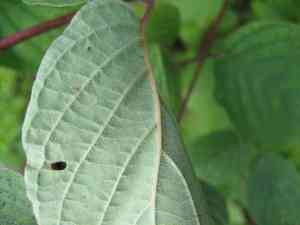
This shedding shrub stands out due to its circular leaves and groupings of white blossoms. For round-Leaved Dogwood, perform pruning in the latter part of winter or early spring prior to the emergence of new shoots. Essential methods involve reducing older branches to revitalize and enhance air movement. Additionally, eliminate any lifeless, injured, or infected wood. Trimming round-Leaved Dogwood at the suggested period fosters robust development, boosts floral output, and preserves an attractive form. Precise attention during pruning guarantees the endurance and visual charm of round-Leaved Dogwood.
What Are the Benefits of Pruning Round-leaved Dogwood?
What Are the Benefits of Pruning Round-leaved Dogwood?
Trimming round-Leaved Dogwood promotes robust development and preserves its intended form. Strategic cuts revitalize the plant's structure while ensuring an appealing shape, vital for both vitality and garden design.
What Is the Best Time for Pruning Round-leaved Dogwood?
What Is the Best Time for Pruning Round-leaved Dogwood?
Pruning or trimming round-Leaved Dogwood is optimally performed in late winter or early spring, as this period coincides with the plant's dormant phase. During dormancy, round-Leaved Dogwood ceases active growth, making it less vulnerable to stress and diseases that could enter through pruning wounds. This timing also prevents the removal of developing flower buds, which emerge later in spring, ensuring the blooming period remains unaffected. Furthermore, the leafless condition of round-Leaved Dogwood in these seasons offers a clearer view of its structure, enabling more precise and deliberate cuts. Pruning at this time can stimulate vigorous growth once the growing season commences, contributing to the health and shaping of round-Leaved Dogwood for the upcoming year.
What Tools Do I Need to Prune Round-leaved Dogwood?
Hand Pruners
These are crucial for cutting young, green stems and small branches of round-Leaved Dogwood. Their precise cuts help maintain plant health by reducing the risk of disease.
Lopping Shears
These offer greater leverage for cutting thicker branches that hand pruners cannot manage. The long handles of lopping shears allow access into round-Leaved Dogwood's dense foliage without harming surrounding stems.
Pruning Saw
For the larger, mature branches of round-Leaved Dogwood, a sharp pruning saw makes clean cuts without tearing the bark. This tool is ideal for larger growth which is common in an established round-Leaved Dogwood.
Pole Pruner
When round-Leaved Dogwood's branches are out of reach, a pole pruner can safely trim without the need for a ladder. This is particularly useful for maintaining the natural shape of round-Leaved Dogwood.
Hedge Shears
Though not typically required for round-Leaved Dogwood, if a formal shape is desired, hedge shears might be used to shape the plant. However, a more naturalistic approach is generally recommended for the health of round-Leaved Dogwood.
How to Prune Round-leaved Dogwood
Clean Tools
Before starting, sanitize all pruning tools to prevent the spread of disease to or from round-Leaved Dogwood.
Inspection
Examine round-Leaved Dogwood thoroughly to identify all dead and diseased branches that require removal.
Cut Diseased Branches
Using sharp shears, make clean cuts to remove any diseased branches. Cut back to healthy tissue, ensuring not to damage the collar of the branch.
Remove Dead Branches
Eliminate dead branches by cutting at a point just outside of the branch collar, being careful not to leave any stubs that could invite pests or decay.
Dispose
Discard or destroy the removed dead and diseased material, avoiding composting to prevent the spreading of pathogens.
Common Pruning Mistakes with Round-leaved Dogwood
Over-Pruning
Removing too much foliage or too many branches can stress round-Leaved Dogwood and diminish its natural shape and beauty. Aim to remove no more than one-third of the plantâs overall size in a single pruning session.
Improper Cutting Technique
Using dull tools or making jagged cuts can harm round-Leaved Dogwood's branches, leading to disease and decay. Always use sharp, clean pruning tools and make clean cuts at a 45-degree angle just above a bud or branching point.
Neglecting Diseased Or Dead Material
Failing to consistently remove dead, diseased, or damaged wood can hinder round-Leaved Dogwood's growth and health. Regular inspection and timely removal of such material are crucial for maintaining plant vigor.
Pruning Without A Plan
Random or haphazard cuts can result in an unsightly appearance and damage round-Leaved Dogwood. Plan and execute pruning to maintain the natural form of the plant while also achieving the desired size and shape. Assess the plant from different angles before making cuts.
Common Pruning Tips for Round-leaved Dogwood
Thinning Out
Thin out the center of round-Leaved Dogwood to allow for better air circulation and light penetration. Focus on removing any branches that cross or rub against each other to prevent wounds and potential disease entry points.
Selective Pruning
Choose specific branches for removal to maintain or enhance round-Leaved Dogwood's natural growth habit and form. Target leggy, weak, or awkwardly positioned stems that detract from the plant's aesthetics.
Rejuvenation Pruning
If round-Leaved Dogwood is older or has become overgrown, consider rejuvenation pruning to stimulate new growth. Remove older stems at ground level, allowing younger, more vigorous stems to develop and take over.
Tool Maintenance
Ensure pruning tools are sanitized before and after use to prevent the spread of diseases between plants. Clean cuts with sharp tools will also facilitate quicker healing for round-Leaved Dogwood.



