How to Transplant Large-leafed dogwood?
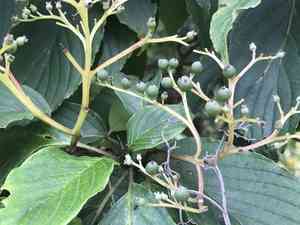
The ideal period for relocating large-leafed dogwood is from the onset of early spring until the pleasant warmth of late spring, when its growth capacity is at its highest. Select a site that offers good drainage and receives filtered sunlight. Should it be necessary, enhance the soil's composition and moisture-holding ability prior to the transplanting process.
What Preparations are Needed Before Transplanting Large-leafed Dogwood?
What is the Ideal Time for Transplanting Large-leafed Dogwood?
The best period for relocating large-leafed dogwood spans from early spring's onset until the approach of summer's warmth. Moving the plant during this time ensures its root system establishes well before intense heat, promoting vigorous development. This timing allows large-leafed dogwood to benefit from the cool, damp spring soil, significantly aiding root growth without the stress of summer temperatures. A helpful hint: the mild spring climate is the season of fresh starts for your large-leafed dogwood, offering the perfect conditions for it to settle and thrive in its new location.
How Much Space Should You Leave Between Large-leafed Dogwood Plants?
When preparing to plant your large-leafed dogwood, ensure ample room for their expansion. Aim to position each one approximately 15-20 feet (4.5-6 meters) apart, allowing their beautiful foliage to spread without becoming crowded.
What is the Best Soil Mix for Large-leafed Dogwood Transplanting?
Prior to planting your large-leafed dogwood, soil preparation is crucial. Opt for a well-draining soil mixture, rich in organic material. Incorporating a balanced, slow-release fertilizer will provide your large-leafed dogwood with an excellent beginning. Target a pH level that is slightly acidic to neutral, as large-leafed dogwood prefers this range.
Where Should You Relocate Your Large-leafed Dogwood?
Select a site for your large-leafed dogwood where they can enjoy partial shade to filtered sunlight. A spot that receives morning sun and afternoon shade, or dappled light throughout the day, is ideal for helping your large-leafed dogwood flourish.
What Equipments Should You Prepare Before Transplantation Large-leafed Dogwood?
Shovel or Spade
For excavating the plant and preparing the new planting area.
Gardening Gloves
To safeguard your hands while handling soil and the plant.
Watering Can or Hose
To hydrate the plant before and after its relocation.
Wheelbarrow or Tarp
To move the large-leafed dogwood and its soil without harming the roots.
Pruning Shears
For trimming any dead or damaged roots prior to transplanting.
How Do You Remove Large-leafed Dogwood from the Soil?
How Do You Remove Large-leafed Dogwood from the Soil?
From Ground: First, moisten the large-leafed dogwood to dampen the soil and minimize root damage. Next, dig a circle around the plant, roughly 18-24 inches from the main stem to keep the root ball intact. Use a shovel or spade to gently lift the root ball from the ground.From Pot: Water the large-leafed dogwood thoroughly before beginning. Turn the pot on its side, grasp the plant by its base, and tap the bottom of the pot to loosen it. If needed, use a knife or trowel to separate compacted roots from the pot's inner edge.From Seedling Tray: Water the seedling to facilitate removal. Gently press the cell's bottom to push the seedling out. Support the large-leafed dogwood by its root ball, being careful not to pull on the stem or leaves.
Step-by-Step Guide for Transplanting Large-leafed Dogwood
Preparing the New Site
Excavate a hole in the ground that is twice the width and equal in depth to the large-leafed dogwood's root ball.
Inspecting the Roots
Remove any ties around the roots and check for any dead or damaged sections. Trim as necessary using pruning shears.
Positioning the Plant
Place the large-leafed dogwood in the center of the hole. Adjust its depth so the top of the root ball is even with the surrounding ground.
Filling the Hole
Carefully backfill the hole with the excavated soil, gently firming it around the root ball to eliminate air pockets.
Watering
Water the large-leafed dogwood thoroughly immediately after planting to settle the soil and hydrate the roots.
Stabilizing the Plant
If the large-leafed dogwood is tall or in a windy area, stake the plant to prevent leaning or uprooting until its roots are established.
How Do You Care For Large-leafed Dogwood After Transplanting?
Initial Watering
Keep the soil around the large-leafed dogwood consistently moist for the first few weeks to aid root establishment.
Mulching
Apply a layer of mulch around the plant's base to retain moisture, regulate soil temperature, and reduce weed growth.
Pruning
Trim away any broken or damaged branches to direct the plant's energy towards establishing its root system rather than repairing upper growth.
Staking Check
Regularly inspect any stakes or supports to ensure they are not harming the plant and remove them once the large-leafed dogwood is stable enough to support itself.
Troubleshooting Common Issues with Large-leafed Dogwood Transplantation.
What's the best timing for transplanting large-leafed dogwood for optimal growth?
Relocate large-leafed dogwood from early to late spring, when conditions are mild and the plant can readily establish itself.
How far apart should I space large-leafed dogwood when transplanting?
Allow large-leafed dogwood ample room to thrive by spacing them 15 to 20 feet (4.6 to 6 meters) apart.
How do I prepare the soil for transplanting large-leafed dogwood?
Ensure well-draining soil enriched with organic matter. Test the pH and adjust to slightly acidic preferences.
What size hole is needed for transplanting large-leafed dogwood?
Dig a hole twice the width and the same depth as the root ball, allowing roots to expand freely.
How much should I water large-leafed dogwood after transplanting?
Water thoroughly after transplanting to settle the soil, then maintain moist soil, especially during the first growing season.
Why is my large-leafed dogwood wilting after transplant?
Wilting may indicate shock or insufficient watering. Maintain soil moisture and provide shade if necessary until established.
What type of mulch is best for large-leafed dogwood post-transplant?
Use organic mulch like shredded bark to retain moisture, regulate soil temperature, and reduce weeds.
How deep should the mulch be spread around large-leafed dogwood?
Spread mulch 2 to 3 inches (5 to 7.5 cm) deep around the base, avoiding direct contact with the stem.
When will large-leafed dogwood start showing new growth after transplanting?
New growth may appear within a few weeks to a month after transplanting, depending on care and conditions.
Should I fertilize large-leafed dogwood right after transplanting?
Wait until large-leafed dogwood has established before fertilizing, typically after a new growth period has been observed.



