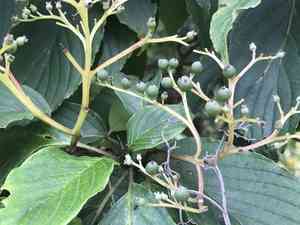
Large-leafed dogwood (Cornus macrophylla)
Also known as: Large-leaved dogwood, Broadleaf dogwood
Large-leafed dogwood, a sizable deciduous shrub or small tree, is distinguished by its broad leaves and sturdy growth. It thrives in forest understories where it receives dappled sunlight, promoting the development of its distinctive white flower clusters. The changing seasons bring a vibrant display of fall foliage, and its blue-black berries offer nourishment to various wildlife species. This environment, with filtered sunlight and rich, moist soil, supports the plant's health and ecological contributions.
In This Article
Attributes of Large-leafed dogwood
Lifespan
Perennial
Plant Type
Tree
Plant Height
3 m to 9 m
Spread
10 m
Leaf Color
Dark green
Flower Size
7 mm to 8 mm
Flower Color
White Cream
Images of Large-leafed dogwood
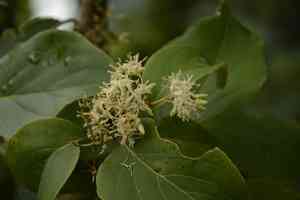
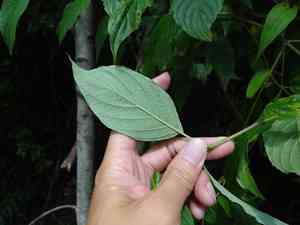
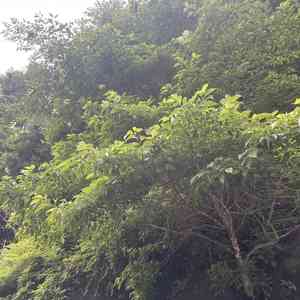
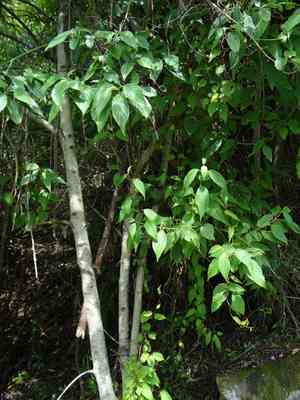
Quickly Identify Large-leafed dogwood
1
Look for large, ovate leaves that are about 10-20 cm long, white to light yellow flowers in corymbs, and small bluish drupes as fruit.
Scientific Classification of Large-leafed dogwood
Phylum
Vascular plants
Class
Dicotyledons
Order
Cornales
Family
Dogwood
Genus
Dogwoods
Species
Large-leafed dogwood
Planting and Growing of Large-leafed dogwood
Care Difficulty
Moderate
Watering Schedule
Every 4 days
Sunlight Requirements
Partial sun
Sunshine Duration
4-8 hours
Ideal Temperature
60-75℉
Soil Type
Potting Mix, Peat Mix
Soil pH
6.5-7.5
Fertilizer Type
Balanced
Pruning Season
Spring, Summer
Pruning Area
Branches, Leaves
Pruning Frequency
2 times a year
Repotting Season
Spring
Pot Type
Terracotta, Plastic
 How to Water Large-leafed dogwood?
For Cornus macrophylla, aim to water 500 milliliters each time. This ensures the soil remains moist without becoming waterlogged. Allow the topsoil to dry slightly between waterings to prevent root rot.
What are the symptoms of an underwatered Large-leafed dogwood?
›
What should I do if my Large-leafed dogwood is not getting enough water?
›
What are the symptoms of an overwatered Large-leafed dogwood?
›
How to save an overwatered Large-leafed dogwood?
›
 What Are the Sunlight Requirements for Large-leafed dogwood?
Cornus macrophylla should ideally receive 4 to 6 hours of partial sunlight. This range optimizes growth, encouraging denser foliage and vibrant leaf coloration while minimizing sunburn risk.
How much light does Cornus macrophylla need?
›
What solutions help maintain ideal lighting?
›
What are the benefits of ideal lighting conditions?
›
 What Is the Ideal Temperature Range for Large-leafed dogwood?
The ideal temperature range for Cornus macrophylla is between 60°F to 75°F. It thrives in moderate climates where it does not face extreme cold or heat. Maintaining this range helps ensure substantial growth and healthy foliage.
 What Soil is Best for Large-leafed dogwood?
Cornus macrophylla prefers soil that offers excellent drainage. Proper drainage prevents water from accumulating around the roots, which can lead to root rot—a problem many plants face in poorly drained conditions. Well-drained soil promotes healthy root development and ensures the plant receives the right amount of moisture. This species thrives best in nutrient-rich soil, which provides the necessary minerals and organic matter essential for its growth. Nutrient abundance supports vibrant leaf color, increases resilience against diseases, and boosts overall plant vigor and bloom productivity. Soil with good aeration facilitates air circulation around the roots, reducing the risk of root diseases and increasing the plant's ability to absorb nutrients and water. Aerated soil helps with strong root growth, often translating into a more robust and healthier tree.
 How to Fertilize Large-leafed dogwood?
Cornus macrophylla, like many deciduous trees, benefits from balanced fertilization. Use a diluted liquid fertilizer, mixing approximately 10-10-10 NPK, at a concentration of 1 tablespoon per gallon of water for optimal root absorption.
 How to Prune Large-leafed dogwood?
Begin by removing any dead or diseased branches as these can harm the health of the tree. Next, trim back overgrown sections to maintain the desired shape and size of the Cornus macrophylla. Aim for a slightly rounded shape for optimal airflow. Prune selectively to encourage strong new shoots. This involves cutting back to a bud or healthy lateral branch, which redirects the plant's energy and promotes vigorous regrowth.
More About Pruning Techniques→
 How to Propagate Large-leafed dogwood plant?
1
Harvest seeds from mature Cornus macrophylla fruit when they exhibit a dark coloration. Clean them thoroughly by removing any pulp and let them dry before planting. This ensures good seed health and prevents fungal growth.
2
Prepare a well-draining soil mix, ideally using a blend of peat, sand, and perlite. Such a mix promotes adequate aeration and prevents waterlogging, which is critical for both seed and cutting propagation.
3
Select healthy stems and take cuttings around 4-6 inches long. Make a diagonal cut to increase surface area for rooting, and remove any leaves from the lower half to prevent decay.
 How to Repot Large-leafed dogwood plant?
1
Repotting Cornus macrophylla should be considered when you notice the roots outgrowing the current pot and intertwining densely. This usually means the plant needs more space to continue flourishing. Early spring or summer is ideal, as the plant will have ample time to settle into its new home before the growing season.
2
Select a pot that is approximately 2-3 inches larger in diameter than the old one. It should have good drainage holes to prevent water logging, which can harm the roots. Using a pot that allows adequate airflow and drainage will help ensure the plant’s health and vigorous growth.
3
Use a well-draining loamy soil rich in organic matter. This type of soil provides necessary nutrients while facilitating adequate drainage, preventing root rot, and promoting healthy root growth. The rich organic content supports plant vitality and bloom production.



