How to Prune Large-leafed dogwood?
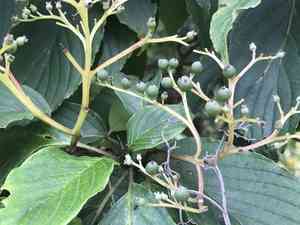
Ideal for sculpting and reducing canopy density, large-leafed dogwood thrives with trimming to eliminate deceased or ailing branches and to foster air movement. The perfect time for pruning is in early spring or late winter, right before the onset of vigorous development. Deliberate cuts ought to be executed to improve the inherent form and encourage fresh development, while guaranteeing precise cuts to avert illness. Trimming also stimulates abundant flowering and preserves the plant's vitality, dimensions, and aesthetic.
What Are the Benefits of Pruning Large-leafed Dogwood?
What Are the Benefits of Pruning Large-leafed Dogwood?
Trimming large-leafed dogwood boosts vitality, helping maintain its structure and promoting denser growth. Regular, appropriate cuts ensure large-leafed dogwood flourishes with controlled dimensions and robust health.
What Is the Best Time for Pruning Large-leafed Dogwood?
What Is the Best Time for Pruning Large-leafed Dogwood?
Pruning large-leafed dogwood in late winter to early spring is optimal as the plant remains dormant, minimizing stress and potential disease entry. This timing also allows for the removal of any damaged or diseased wood before new growth begins in spring. Furthermore, it prevents cutting stems that would have flowered, ensuring seasonal blooms are unaffected. Pruning before the spring growth spurt also gives large-leafed dogwood the best chance to heal and direct energy towards producing strong, healthy shoots.
What Tools Do I Need to Prune Large-leafed Dogwood?
Bypass Pruners
Ideal for making clean, precise cuts on large-leafed dogwood's smaller branches, typically under ½ inch in diameter, without causing unnecessary harm to plant tissue.
Loppers
These are perfect for reaching into the denser parts of large-leafed dogwood's structure and for cutting thicker branches, up to 1 ½ inches in diameter, that bypass pruners cannot manage.
Pruning Saw
When dealing with large-leafed dogwood's mature branches over 1 ½ inches in diameter, a pruning saw is essential for making clean cuts through thick wood without causing tearing or splintering.
How to Prune Large-leafed Dogwood
Sanitization
Before pruning large-leafed dogwood, disinfect your pruning shears with a bleach and water solution or rubbing alcohol to prevent disease spread.
Identify
Examine large-leafed dogwood closely to pinpoint any dead or diseased branches. These will likely show discolored bark, a lack of buds, or visible signs of infection.
Clean cut
Make clean cuts to remove dead branches, cutting at a 45-degree angle just above a healthy bud or junction to encourage proper healing and new growth.
Disinfect
After each cut, especially when removing diseased branches, sanitize your pruning shears to prevent spreading pathogens to healthy parts of large-leafed dogwood.
Dispose
Carefully gather and discard all removed material away from large-leafed dogwood to reduce the chance of reinfection or attracting pests.
Common Pruning Mistakes with Large-leafed Dogwood
Over-pruning
Removing too much foliage can stress large-leafed dogwood, leading to poor growth or reduced flowering. Aim to prune no more than one-third of the plant at a time.
Uneven cuts
Making uneven or jagged cuts can harm large-leafed dogwood's branches, making them vulnerable to pests and diseases. Always use sharp pruning tools for clean cuts.
Topping
Cutting across the top of large-leafed dogwood to reduce height, also known as topping, can result in weak new growth and an unbalanced shape. Prune individual branches instead.
Neglecting tool hygiene
Using dirty tools can spread disease to large-leafed dogwood. Disinfect pruning tools before and after use to reduce this risk.
Ignoring plant architecture
Not considering the natural shape and growth pattern of large-leafed dogwood during pruning can result in a less aesthetically pleasing form. Work with the plant's shape, not against it.
Common Pruning Tips for Large-leafed Dogwood
Selective thinning
Thin out crowded branches to improve air circulation and light penetration, which is crucial for the health and flowering of large-leafed dogwood. Focus on dead or weak branches.
Targeted pruning
Identify and prune branches that are dead, diseased, or crossing/rubbing against each other. This helps maintain large-leafed dogwood's structural integrity.
Gradual shaping
Shape large-leafed dogwood over several seasons rather than all at once, to avoid shocking the plant and to achieve a more natural appearance.
Maintaining tool sharpness
Keep pruning tools sharp for clean cuts that heal quickly, aiding large-leafed dogwood's recovery post-pruning.
Follow-up care
After pruning large-leafed dogwood, provide adequate water and mulch to support recovery. This can help the plant bounce back more vigorously.



