How to Transplant Ecuador laurel?
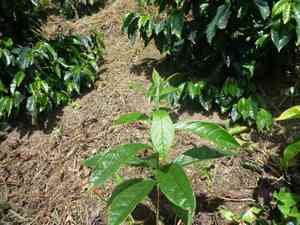
The ideal period for transplanting ecuador laurel extends from early spring's awakening until the full blossoming of spring flowers. Select a brightly illuminated location offering sufficient room for development. Bear in mind that careful manipulation and minimal disruption to the root system are crucial for a prosperous relocation.
What Preparations are Needed Before Transplanting Ecuador Laurel?
What is the Ideal Time for Transplanting Ecuador Laurel?
The best time for relocating ecuador laurel is from early spring's thaw to the edge of summer's warmth. This period allows ecuador laurel to develop its root system in mild temperatures, promoting growth before the intensity of summer heat. Transplanting during this window ensures ecuador laurel benefits from abundant spring rainfall, facilitating a smooth transition and vigorous development, perfect for perennials seeking a strong foundation for the upcoming growing season.
How Much Space Should You Leave Between Ecuador Laurel Plants?
When getting ready to move ecuador laurel, imagine small green sanctuaries spread throughout your garden. Aim for generous spacing, ideally around 20-30 ft (6-9 m) apart. This provides each ecuador laurel with ample room to flourish. Consider it like creating comfortable, well-separated neighborhoods for your plants!
What is the Best Soil Mix for Ecuador Laurel Transplanting?
Before introducing ecuador laurel to your garden, let's prepare its new home! Seek well-draining soil that's as welcoming as a cozy bed. Then, incorporate some well-rotted compost for an extra boost - like a comforting drink for the roots. This will ensure a nutrient-rich beginning for your ecuador laurel.
Where Should You Relocate Your Ecuador Laurel?
Picture your ecuador laurel enjoying the sun's radiance. For the happiest plants, select a sunny location that receives several hours of direct sunlight daily. Just like us, ecuador laurel enjoys a good sunbath but also appreciates a bit of afternoon shade to cool down.
What Equipments Should You Prepare Before Transplantation Ecuador Laurel?
Gardening Gloves
To safeguard your hands while handling soil and plants.
Spade or Shovel
To excavate the plant and prepare the new planting site.
Garden Fork
Can be useful for loosening soil around the root ball.
Hand Trowel
For smaller digging tasks and refining the planting hole.
Pruning Shears
To trim any damaged roots or branches.
Watering Can or Hose
For hydrating the plant before and after relocation.
Wheelbarrow or Garden Cart
To move the plant and soil.
Garden Hose with Soft Spray Attachment
For gentle irrigation of the plant after transplanting.
How Do You Remove Ecuador Laurel from the Soil?
How Do You Remove Ecuador Laurel from the Soil?
From Ground: First, water the ecuador laurel to moisten the soil, making it easier to manage. Use a spade or shovel to dig a wide circle around the plant, ensuring the root ball remains intact. Insert the spade or garden fork beneath the root ball to gently lift and separate the plant from the ground.From Pot: Start by watering the soil in the pot to facilitate smoother removal. Turn the pot on its side and gently tap to loosen the ecuador laurel's root ball. Pull the pot away while supporting the plant at its base.From Seedling Tray: After watering the soil to soften it, use a hand trowel or your fingers to carefully extract the ecuador laurel from its compartment. Be sure to support the seedling by the root ball, avoiding stress on the stem and leaves.
Step-by-Step Guide for Transplanting Ecuador Laurel
Preparation
Ensure the root ball of ecuador laurel is watered a few hours prior to transplanting to ensure it's hydrated but not saturated when moved to its new spot. Gather all necessary tools and have them readily available at the transplant site. Also, prepare a wheelbarrow or garden cart to transport the plant and soil if needed. Wear your gardening gloves to protect your hands throughout the process.
Removal
If ecuador laurel is in the ground or a seedling tray, use the previously mentioned removal method. If it's in a pot, support the plant with one hand and invert the pot, gently coaxing the plant out while being careful not to harm the root ball.
New Hole Preparation
Dig a hole that is twice the width of the root ball and the same depth to prevent planting too deeply. The extra width provides roots with space to spread. Gently loosen the soil around the hole without excessively disturbing the soil structure.
Placing the Plant
Position ecuador laurel in the center of the new hole. The top of the root ball should be level with the ground surface. Adjust the depth of the hole if necessary by adding or removing soil.
Filling the Hole
Carefully backfill around the root ball with soil, gently tamping it down to eliminate air pockets. Avoid applying excessive pressure which can compact the soil and impede root growth.
Watering After Transplanting
Water ecuador laurel thoroughly after planting to help settle the soil around the roots and initiate the recovery process from the stress of relocation.
Stabilization
If ecuador laurel is particularly tall or top-heavy, use stakes to help stabilize it. Use soft ties to connect the plant to the stakes so as not to damage the branches.
Mulching
Apply a 2 to 3-inch layer of organic mulch around the base of ecuador laurel, leaving some space around the trunk. Mulch helps retain soil moisture and regulates soil temperature.
How Do You Care For Ecuador Laurel After Transplanting?
Watering
Consistently provide adequate water, especially during the first year after transplanting, to ensure ecuador laurel develops a strong root system. Prevent waterlogging by ensuring proper drainage.
Stabilization Check
Periodically inspect the stakes and ties to ensure they are not too tight and are still adequately supporting ecuador laurel without causing damage to the plant.
Observation
Monitor ecuador laurel for indications of transplant shock, such as wilting or yellowing leaves, and take corrective measures as needed. Patience is crucial; some plants require time to adapt to new environments.
Pruning
If certain parts of the plant were damaged during the transplant, they require pruning. However, extensive pruning should be avoided immediately after transplanting to prevent additional stress. Prune for shape and health in subsequent seasons, if necessary.
Protection
In the event of extreme weather like frost or heatwaves, provide suitable protection for ecuador laurel, such as frost blankets or shade cloths.
Troubleshooting Common Issues with Ecuador Laurel Transplantation.
When's the best time to transplant ecuador laurel?
The optimal period for transplanting ecuador laurel is from the awakening of spring until the cusp of summer.
How much space does ecuador laurel need when transplanting?
Ensure ample room for growth by spacing ecuador laurel 20-30 feet (6-9 meters) from others.
What are the signs of a successful ecuador laurel transplant?
Healthy foliage growth and root establishment indicate a successful transplant of ecuador laurel.
How deep should ecuador laurel be planted?
The root ball of ecuador laurel should be level with the surrounding soil, not deeper or shallower.
What soil conditions favor ecuador laurel transplanting?
Opt for well-drained soil rich in organic matter to encourage robust ecuador laurel transplantation.
Can ecuador laurel be transplanted in full sun?
Yes, ecuador laurel thrives with adequate sun exposure. Choose a sunny spot for transplanting.
How often should I water ecuador laurel after transplanting?
Initially, water ecuador laurel generously to aid establishment, then adjust to moderate watering as it settles.
Should I use growth enhancers for transplanting ecuador laurel?
Growth enhancers can aid ecuador laurel recovery post-transplant but choose organic and mild formulas.
What should I do if ecuador laurel's leaves wilt after transplanting?
Wilted leaves may indicate stress; ensure proper watering, mulching, and shelter from extreme conditions.
How to protect ecuador laurel after transplanting?
Shade the transplant from harsh sun initially and shield from strong winds until acclimated.



