How to Prune Ecuador laurel?
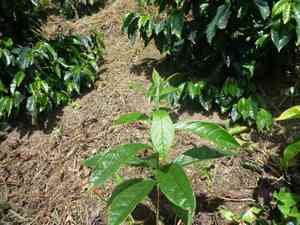
Originating from Central and South America, this rapidly developing hardwood species is highly valued for ecological restoration initiatives. For ecuador laurel, conduct pruning in the early spring or late winter to encourage robust development and preserve its structure. Thinning cuts improve light access and air movement, whereas heading cuts manage its dimensions and foster branching. Eliminate any dead or ailing branches to avert pest problems. Pruning enhances the timber's caliber, which is vital for this species' commercial worth. Optimized water and nutrient utilization is an additional advantage of appropriate pruning.
Advantages of Trimming Ecuador Laurel
Advantages of Trimming Ecuador Laurel
Trimming ecuador laurel encourages robust development and maintains its desired form, boosting both vitality and visual appeal. It eliminates lifeless or overgrown branches, improving air circulation and light exposure for the foliage.
Optimal Time for Trimming Ecuador Laurel
Optimal Time for Trimming Ecuador Laurel
Trimming ecuador laurel from late winter to early spring is ideal as this period typically follows dormancy, and the plant is initiating its active growth phase. Pruning at this time leverages the natural surge in energy and resources that ecuador laurel uses to mend pruning wounds and generate new growth. Furthermore, removing dead or diseased branches before the spring growth spurt can direct the plant's energy towards producing healthy foliage and branches. It also minimizes infection risk since many pathogens are less active during colder seasons. For ecuador laurel, which may flower or fruit, late winter pruning ensures the plant's resources aren't wasted on parts that will be removed, leading to a more focused and vigorous growing season.
Tools Required for Trimming Ecuador Laurel
Bypass Pruners
Perfect for making precise cuts on live branches up to 3/4 inch thick, which promotes proper healing and lowers disease risk for ecuador laurel.
Loppers
Essential for cutting through thicker branches, ranging from 1 1/2 to 2 inches in diameter, providing leverage and ensuring clean cuts without undue strain on the ecuador laurel.
Pruning Saw
Useful for removing larger limbs exceeding 2 inches in diameter, offering the necessary sawing action to manage the mature wood of ecuador laurel without harming surrounding tissues.
Pole Pruner
Enables safe access to higher branches from the ground, especially when ecuador laurel has reached a significant height, eliminating the need for climbing and reducing potential injury.
How to Trim Ecuador Laurel
Sterilization
Sanitize pruning tools before beginning to prevent the spread of disease to healthy sections of ecuador laurel.
Removal Diseased Withered Leaves
Carefully remove diseased and dried leaves from ecuador laurel, ensuring no damage to healthy parts of the plant.
Cutting Dead Branches
Identify and cut away dead branches with clean cuts at a 45-degree angle to encourage healing and prevent water accumulation.
Pruning Diseased Branches
Trim diseased branches on ecuador laurel back to healthy tissue to stop further infection. Ensure the cut is well beyond the affected area.
Cleanup
Properly dispose of all removed material to prevent reinfection or the spread of pathogens within the garden or to other plants.
Common Trimming Errors with Ecuador Laurel
Overpruning
Removing too much foliage from ecuador laurel at once can stress the plant, leading to stunted growth or increased susceptibility to pests and diseases.
Underpruning
Failure to remove dead or diseased branches can hinder ecuador laurel's growth and prevent it from developing a strong, healthy structure.
Improper Cut Location
Cutting too close to the main stem or leaving too large a stub can damage ecuador laurel and invite disease.
Tearing Bark
When trimming larger limbs, cuts made without adequate support can tear the bark and harm ecuador laurel.
Use Of Dull Tools
Trimming ecuador laurel with dull tools can create jagged cuts that are more prone to infection.
Neglecting Tool Hygiene
Not sterilizing tools before trimming can spread diseases to ecuador laurel from previously pruned plants.
General Trimming Advice for Ecuador Laurel
Sharp Clean Cuts
Utilize sharp pruning shears or saws to make clean cuts on ecuador laurel, ensuring rapid healing and reduced disease risk.
Angled Cuts
Make cuts at a 45-degree angle to prevent water accumulation on the cut surface of ecuador laurel, which can lead to rot.
Branch Collar Pruning
Cut just outside the branch collar without damaging it to allow ecuador laurel to heal correctly and prevent decay.
Selective Pruning
Selectively trim branches of ecuador laurel to shape the tree and promote airflow, which helps reduce the likelihood of disease.
Remove Dead Material
Regularly remove dead, diseased, or damaged wood from ecuador laurel to encourage healthy growth and improve air circulation.
Thin Crowded Areas
Thin out congested areas of ecuador laurel, especially smaller branches, to enhance light penetration and encourage the growth of flowers and fruits.



