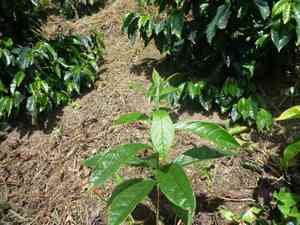
Ecuador laurel (Cordia alliodora)
Also known as: Salmwood, Laurel blanco
The mesquite tree (Prosopis juliflora), originally from the tropical regions of the Americas, has become an invasive species in Tanzania. Known for its rapid growth and resilience, it often outcompetes and displaces native plant species, creating significant ecological challenges.
In This Article
Attributes of Ecuador laurel
Lifespan
Perennial
Plant Type
Shrub
Plant Height
35 m
Spread
8-12 meters
Leaf Color
Dark green
Flower Size
0.5-1 centimeters
Flower Color
White
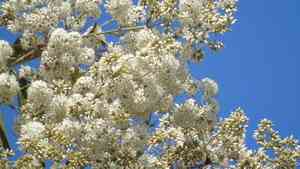
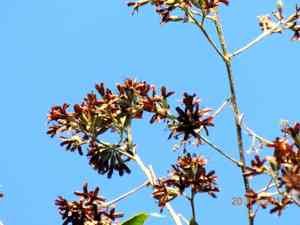
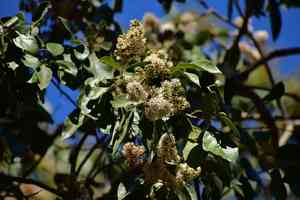
Images of Ecuador laurel
Quickly Identify Ecuador laurel
1
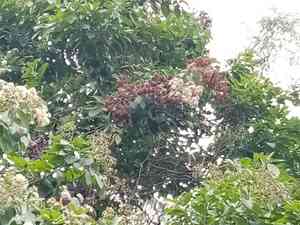
Cordia alliodora can be identified by its small, fragrant white flowers, glossy ovate leaves with a smooth margin, and its light brown, flaky bark. The tree typically grows straight with a well-defined trunk.
Scientific Classification of Ecuador laurel
Phylum
Vascular plants
Class
Dicotyledons
Order
Boraginales
Family
Ehretiaceae
Genus
Manjacks
Species
Ecuador laurel
Planting and Growing of Ecuador laurel
Care Difficulty
Moderate
Watering Schedule
Every 2 days
Sunlight Requirements
Full sun
Sunshine Duration
6-10 hours
Ideal Temperature
65-85℉
Soil Type
Potting Mix, Peat Mix
Soil pH
6.5-7.5
Fertilizer Type
Balanced
Pruning Season
Spring, Summer
Pruning Area
Branches, Leaves
Pruning Frequency
2 times a year
Repotting Season
Spring
Pot Type
Plastic, Ceramic
 How to Water Ecuador laurel?
For Cordia alliodora, watering should be thorough enough to moisten the entire root zone but not excessively so. Typically, 500 milliliters per watering session allows for proper soil saturation without causing waterlogging. Let the soil dry out slightly between waterings to ensure that oxygen circulates freely in the root area.
What are the symptoms of an underwatered Ecuador laurel?
›
What should I do if my Ecuador laurel is not getting enough water?
›
What are the symptoms of an overwatered Ecuador laurel?
›
How to save an overwatered Ecuador laurel?
›
 What Are the Sunlight Requirements for Ecuador laurel?
Cordia alliodora flourishes in full sun to partial sun environments, benefiting from consistent exposure to daylight. Ideal lighting promotes vigorous growth and abundant flowering, enhancing the plant's ornamental value and ecological contributions.
More About Sunlight Requirements Techniques→
Why is full sun ideal for Cordia alliodora?
›
How to achieve ideal light conditions for Cordia alliodora?
›
What are the benefits of ideal lighting for Cordia alliodora?
›
 What Is the Ideal Temperature Range for Ecuador laurel?
The ideal temperature range for growing Cordia alliodora is between 65°F and 85°F. This range ensures optimal growth and metabolism by providing warmth that supports enzymatic activity and photosynthesis. Maintaining a stable environment within these temperatures allows for healthy development and maximizes growth potential.
 What Soil is Best for Ecuador laurel?
Cordia alliodora thrives best in well-drained soil which allows excess water to escape, preventing root rot. This environment promotes healthy root development, ensuring the tree's overall vitality. While Cordia alliodora can adapt to various soil fertilization levels, it prefers moderately fertile soils. This preference helps the plant to achieve optimal growth and abundant leaf production, enhancing its ornamental value. Rich organic content in the soil supports Cordia alliodora by providing essential nutrients and promoting beneficial microbial activity. This makes the tree more resilient to pests and disease, improving its longevity.
 How to Fertilize Ecuador laurel?
For Cordia alliodora, it's essential to provide balanced nutrients without overwhelming the plant. A general guideline is to use 20-20-20 NPK liquid fertilizer at half-strength. Each application should provide around 1 gram per liter of water based on the plant’s needs. Be sure to adjust as necessary depending on plant response and growth stage.
 How to Prune Ecuador laurel?
Begin pruning by looking for any branches that appear dead, diseased, or damaged. Use sharp pruning shears to carefully remove these branches, making clean cuts close to the main stem, which helps the tree heal quickly and effectively. Shape the crown of Cordia alliodora by cutting back any branches that appear too long and out of proportion with the rest of the plant. Focus on maintaining the tree's natural shape for aesthetic appeal and healthy growth.
More About Pruning Techniques→
 How to Propagate Ecuador laurel plant?
1
Start by sourcing viable seeds from a reputable supplier or harvested from mature plants. Soak them in water for 24 hours to break dormancy and enhance germination.
2
Plant the soaked seeds in a seed tray filled with potting mix, ensuring they are covered lightly with soil. Maintain consistent moisture levels to aid in germination.
3
Select healthy, semi-hardwood cuttings from the plant and dip them in rooting hormone powder. Insert the cuttings into a container with potting mix, and water thoroughly.
 How to Repot Ecuador laurel plant?
1
The ideal time to repot Cordia alliodora is when you notice that its roots have outgrown the current pot, which may be evident through a lack of growth, roots growing out of drainage holes, or frequent wilting. Repotting in spring or summer aligns with the plant's growing season, aiding quicker recovery and establishment in the new environment.
2
Selecting an appropriately sized pot for Cordia alliodora is crucial. Choose a pot that is 2-4 inches larger in diameter than the current one. This ensures ample room for root growth and prevents waterlogging. A pot with drainage holes is essential to prevent root rot by allowing excess water to escape.
3
For Cordia alliodora, a well-draining loamy soil mix is ideal. This type of soil balances retention and drainage, providing moisture without allowing water to stagnate. Adding organic matter like compost can enhance nutrient content, supporting robust growth after repotting.



