How to Transplant Semaphore pricklypear?
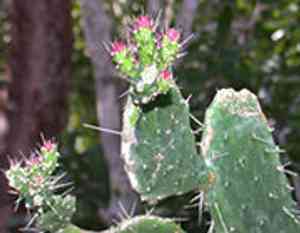
The ideal period for relocating semaphore pricklypear is from late spring through early summer, a time when the plant exhibits vigorous development. Select a bright, adequately drained spot to encourage peak growth. Remember, careful management reduces the impact of transplant stress.
What Preparations are Needed Before Transplanting Semaphore Pricklypear?
What is the Ideal Time for Transplanting Semaphore Pricklypear?
Semaphore pricklypear, a Perennial, thrives when moved in mid to late spring or early summer. This period offers optimal temperatures and growth conditions, aiding root establishment, minimizing transplant shock, and promoting vigorous development. Proper timing of these steps ensures healthy establishment and flourishing in its new spot.
How Much Space Should You Leave Between Semaphore Pricklypear Plants?
When relocating semaphore pricklypear, ensure each plant is spaced 3-5 feet (0.9-1.5 meters) apart. This provides ample room for growth and prevents competition for resources.
What is the Best Soil Mix for Semaphore Pricklypear Transplanting?
For semaphore pricklypear, prepare a well-draining sandy or rocky soil, supplemented with a balanced base fertilizer. This soil type prevents waterlogging around the roots and supplies essential nutrients.
Where Should You Relocate Your Semaphore Pricklypear?
Select a sunny spot for semaphore pricklypear. Ideally, a location receiving full sunlight for at least 6-8 hours daily. This promotes strong and healthy plant growth.
What Equipments Should You Prepare Before Transplantation Semaphore Pricklypear?
Gardening Gloves
To safeguard your hands while handling soil and the plant.
Shovel or Spade
For digging out and subsequently planting the semaphore pricklypear securely.
Trowel
For more precise digging and working around the root system.
Pruning Shears
To trim any damaged or overgrown roots.
Watering Can
To hydrate the plant and soil during and after the transplanting process.
Wheelbarrow
Useful for moving the plant and soil.
Mulch
To help maintain soil moisture after transplant.
How Do You Remove Semaphore Pricklypear from the Soil?
How Do You Remove Semaphore Pricklypear from the Soil?
From Ground: First, water the semaphore pricklypear to moisten the soil. Then, dig a wide trench around the plant using a shovel or spade, ensuring the plant's root ball remains intact. Carefully work the spade beneath the root ball to lift the plant from its original spot.From Pot: Gently water the semaphore pricklypear and allow it to sit for about 10-15 minutes to loosen the soil. Tilt the pot and gently tap the exterior to loosen the root ball. Carefully slide the plant out while supporting its base.From Seedling Tray: Water the soil in the tray to facilitate seedling removal. Use a trowel or your fingers to carefully lift the seedlings, ensuring as much of the root system as possible remains intact.
Step-by-Step Guide for Transplanting Semaphore Pricklypear
Preparations
Water the semaphore pricklypear thoroughly the day before transplanting to ensure the root ball is adequately moist.
Hole Digging
Dig a hole in the new location that is twice as wide and equally as deep as the root ball of the semaphore pricklypear.
Root Inspection
Examine the roots for any damage and trim them as needed using pruning shears.
Plant Placement
Position the semaphore pricklypear in the hole, ensuring the top of the root ball is level with the ground surface.
Backfilling
Fill the hole with soil, gently pressing down to remove air pockets and stabilize the plant.
Watering
Water the transplanted semaphore pricklypear thoroughly to settle the soil around the roots.
How Do You Care For Semaphore Pricklypear After Transplanting?
Watering
Keep the soil around the semaphore pricklypear consistently moist, but not waterlogged, for the initial weeks post-transplant to aid in strong root establishment.
Mulching
Apply a layer of mulch around the plant's base to retain moisture and regulate soil temperature.
Support
Stake or provide other support to the plant if necessary, especially if in a windy location.
Monitoring
Observe your semaphore pricklypear for signs of stress or transplant shock, such as drooping or yellowing leaves, and adjust care as needed.
Troubleshooting Common Issues with Semaphore Pricklypear Transplantation.
When is the best time to transplant semaphore pricklypear?
The optimal period to transplant semaphore pricklypear is from mid-spring to early summer.
How much space should I leave between each semaphore pricklypear?
Ensure to leave 3-5 feet (1-1.5 meters) between each semaphore pricklypear.
What should I do if semaphore pricklypear appears wilted after transplant?
Water semaphore pricklypear thoroughly and ensure it's not exposed to direct sun for a few days.
How deep should the new hole be for semaphore pricklypear?
Dig a hole that is the same depth as the root ball and twice as wide.
Why are the roots of semaphore pricklypear turning mushy?
Mushy roots indicate overwatering. Adjust your watering schedule to prevent root rot.
How do I prepare the soil for transplanting semaphore pricklypear?
Use well-draining soil mixed with sand or gravel to ensure proper drainage for semaphore pricklypear.
What if the soil around semaphore pricklypear is too dry?
Water the area around semaphore pricklypear well before transplanting to help reduce transplant shock.
What's the ideal temperature for transplanting semaphore pricklypear?
Semaphore pricklypear transplants best in temperatures ranging from 60°F to 80°F (15°C to 27°C).
How can I protect semaphore pricklypear from pests after transplanting?
Use natural pesticides and inspect semaphore pricklypear regularly for signs of pests or diseases.
Should I fertilize semaphore pricklypear immediately after transplanting?
Wait a few weeks before fertilizing semaphore pricklypear to allow it to acclimate to its new location.



