How to Propagate Semaphore pricklypear?
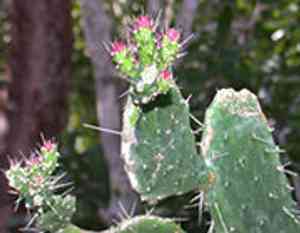
Opuntia corallicola, a scarce cactus native to Florida's shoreline regions, is valued for its distinctive, compressed segments and vibrant yellow blossoms. For propagation, employ sanitized, keen implements to obtain cuttings, making sure each piece possesses a minimum of one articulation. Permit the severed extremities to desiccate and form a callus over several days prior to embedding them in porous soil. Maintain a light soil and irrigate sparingly to avert decay, preferring diffused sunlight for early development.
When Is the Optimal Time to Propagate Semaphore Pricklypear?
Propagation Method
Cutting
Propagation Period
Spring,Summer
What Tools Are Utilized for Semaphore Pricklypear Propagation?
Sharp Pruning Shears
Pruning shears are vital for making clean cuts on semaphore pricklypear segments. Sharp shears reduce plant tissue damage, which helps prevent disease and encourages successful rooting of cuttings. Sterilize them before and after use to maintain plant health.
Rooting Hormone
A rooting hormone powder or gel can be applied to stimulate root development on semaphore pricklypear cuttings. This is especially important for this species, as it can enhance the chances of successful establishment and growth of new plants.
Gloves
Heavy-duty gardening gloves are essential when handling semaphore pricklypear due to its spiny nature. They protect the gardener's hands from injury and ensure that the handling process does not harm the cuttings.
Propagating Trays
Propagating trays filled with a suitable cactus potting mix offer the ideal environment for semaphore pricklypear cuttings to root and grow. These trays assist in managing moisture levels and provide stability for the cuttings during the rooting process.
Spray Bottle
A spray bottle is recommended for misting the cuttings to maintain the necessary humidity without overwatering, which is crucial for preventing rot and ensuring the cuttings develop healthy roots.
Heating Mat
A heating mat can provide a consistent warm environment, which is beneficial for the root development of semaphore pricklypear. It ensures that the soil temperature is optimal for propagation, especially in cooler climates.
Pencil or Stick
A pencil or stick can be used to create holes in the potting mix for inserting the cuttings. This is important to avoid damaging the cuttings when planting them.
How to Propagate Semaphore Pricklypear?
Propagation Difficulty
Moderately Difficult
How to Care for Your Newly Propagated Semaphore Pricklypear?
How to Care for Your Newly Propagated Semaphore Pricklypear?
Once established, semaphore pricklypear requires minimal care. Place in a location that receives full sunlight and ensure it is planted in well-draining soil. Water sparingly, allowing the soil to dry out between waterings. Periodically check for signs of pests or disease and treat as necessary. Avoid overwatering, especially in cooler months, to prevent root rot. With proper care, semaphore pricklypear will establish roots and thrive.
Common Mistakes to Avoid When Propagating Semaphore Pricklypear
Overwatering
This can lead to root rot, as semaphore pricklypear is a drought-tolerant plant that prefers well-drained soil.
Improper Soil
Using heavy, non-aerated soil can suffocate the roots, resulting in poor growth and health.
Incorrect Light Conditions
Placing semaphore pricklypear in insufficient light can hinder its growth, while too much direct light can cause damage.
Tips For Propagating Semaphore Pricklypear
Use Well-Draining Soil
Choose a cactus or succulent mix to ensure proper aeration and drainage for root health.
Limit Watering
Water sparingly, allowing the soil to dry out completely between waterings to prevent root rot.
Provide Adequate Light
Place semaphore pricklypear in a location with bright, indirect sunlight to promote healthy growth and development.



