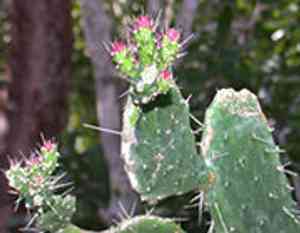
Semaphore pricklypear (Consolea corallicola)
Also known as: Florida semaphore cactus
Consolea corallicola is a cactus species commonly known as the Florida semaphore cactus or semaphore pricklypear. This species is native to Florida and is found specifically in the Florida Keys.
In This Article
Attributes of Semaphore pricklypear
Lifespan
Perennial
Plant Type
Shrub
Plant Height
4 to 8 feet (1.2 to 2.4 meters)
Spread
Up to 3 feet (0.9 meters)
Leaf Color
Green
Flower Size
2 to 3 inches (5 to 7.5 cm)
Flower Color
Bright yellow
Images of Semaphore pricklypear
Quickly Identify Semaphore pricklypear
1
Identify Consolea corallicola by its distinct flat, paddle-like stems and bright yellow flowers that bloom primarily in summer. It often has spines on the edges of its pads.
Scientific Classification of Semaphore pricklypear
Phylum
Vascular plants
Class
Dicotyledons
Order
Caryophyllales
Family
Cactuses
Genus
Pricklypear
Species
Semaphore pricklypear
Planting and Growing of Semaphore pricklypear
Care Difficulty
Hard
Watering Schedule
Every day
Sunlight Requirements
Full sun
Sunshine Duration
4-8 hours
Ideal Temperature
70-80℉
Soil Type
Potting Mix, Peat Mix
Soil pH
6.5-7.5
Fertilizer Type
Balanced
Pruning Season
Spring, Summer
Pruning Area
Branches, Leaves
Pruning Frequency
2 times a year
Repotting Season
Spring
Pot Type
Plastic, Ceramic
 How to Water Semaphore pricklypear?
Consolea corallicola, like many cacti, requires careful attention to watering. It thrives on infrequent but substantial watering. When watering, ensure the soil is thoroughly drenched, allowing water to reach all roots, but any excess should sufficiently drain away. Overwatering should be strictly avoided, as cacti prefer their roots to dry out completely between waterings.
What are the symptoms of an underwatered Semaphore pricklypear?
›
What should I do if my Semaphore pricklypear is not getting enough water?
›
What are the symptoms of an overwatered Semaphore pricklypear?
›
How to save an overwatered Semaphore pricklypear?
›
 What Are the Sunlight Requirements for Semaphore pricklypear?
Consolea corallicola ideally grows in full to partial sun, benefiting from extended exposure to ensure optimal photosynthesis resulting in vigorous growth and strong structural development.
What is the ideal light condition for Consolea corallicola?
›
How can you optimize light exposure for Consolea corallicola?
›
What benefits does ideal light condition bring to Consolea corallicola?
›
 What Is the Ideal Temperature Range for Semaphore pricklypear?
The ideal temperature range for Consolea corallicola is between 70°F and 80°F. This range replicates the warm climate conditions of its native habitat, supporting optimal growth and health. This temperature ensures active metabolism and reduced stress on the plant, fostering better photosynthesis and water use efficiency.
 What Soil is Best for Semaphore pricklypear?
Consolea corallicola thrives in well-draining soil that allows excess water to quickly pass through. This prevents root rot and supports healthy root growth, enhancing the plant's resilience to environmental stress. This plant prefers a nutrient-light substrate as it mimics its natural habitat. Overly rich soils can cause rapid, unsustainable growth, leading to weak structures and susceptibility to diseases. Consolea corallicola can tolerate relatively poor soil fertility, a trait that reduces the need for frequent fertilization. This minimizes maintenance and allows the plant to grow steadily without nutrient overload.
 How to Fertilize Semaphore pricklypear?
For Consolea corallicola, use a balanced liquid fertilizer diluted to half strength. Apply approximately 1/2 teaspoon per gallon of water. It's essential to avoid over-fertilizing as this cactus is adapted to nutrient-poor environments.
 How to Prune Semaphore pricklypear?
Start by sanitizing your cutting tools to prevent the spread of disease. Carefully examine the plant for any dead or damaged pads and remove them using a clean, sharp knife or pruning shears. Make clean cuts to encourage faster healing. Ensure you leave enough healthy pads to sustain the plant’s structure and promote future growth. Consolea corallicola requires occasional shaping to maintain its unique appearance. Remove pads that appear to overcrowd or imbalance the cactus. Shape the plant by selectively pruning pads that disrupt the desired symmetry. When cutting, aim for a horizontal slice to reduce water retention and risk of rot at the cut site.
 How to Propagate Semaphore pricklypear plant?
1
Start by choosing a healthy parent plant to ensure the propagated plants are robust. Avoid using diseased or stressed plants for cuttings or seed collection, as these can negatively impact the success rate.
2
Prepare cuttings from the parent plant by making a clean cut just below a node. The cutting should be around 4-6 inches long. Remove any leaves from the lower part that will be placed in the growing medium.
3
Place the prepared cutting into a pot filled with a well-draining growing medium. Gently firm the soil around the cutting to support it upright, ensuring the node is buried to encourage root growth.
 How to Repot Semaphore pricklypear plant?
1
Consolea corallicola shows signs of needing repotting when its roots begin to protrude from drainage holes, and its growth becomes stunted. It is best to repot during the growing season, when the plant is more resilient.
2
Select a pot that's 1-2 inches larger than the current one, with ample drainage holes. This helps prevent root rot by allowing excess moisture to escape, while also offering enough space for the roots to spread.
3
Use a well-draining cactus or succulent mix to ensure adequate drainage. This type of soil prevents water from pooling around the roots, reducing the risk of rot and promoting healthy growth.
Toxicity
Ingestion, Contact with skin or eyes
WARNING
The judgment on toxicity and danger is for reference only. We DO NOT GUARANTEE any accuracy of such judgment. Therefore, you SHALL NOT rely on such judgment. It is IMPORTANT TO SEEK PROFESSIONAL ADVICE in advance when necessary.



