How to Transplant Largeflower false rosemary?
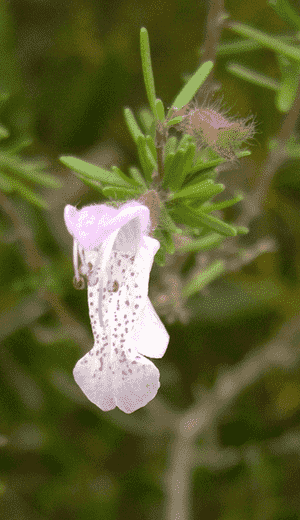
Largeflower false rosemary flourishes when relocated from the beginning of spring through its end, allowing sufficient time for rooting prior to the warmth of summer. Optimal environments feature well-draining, sun-exposed sites. To achieve the best outcome, take into account the indigenous sandy environments where this hardy perennial naturally grows.
What Preparations are Needed Before Transplanting Largeflower False Rosemary?
What is the Ideal Time for Transplanting Largeflower False Rosemary?
Moving largeflower false rosemary during early to late spring is optimal due to mild temperatures and increased precipitation, which aid root establishment. This timing allows the plant to strengthen before summer heat, boosting growth and resilience. Proper groundwork, such as soil preparation and site selection, maximizes transplanting success.
How Much Space Should You Leave Between Largeflower False Rosemary Plants?
When transplanting largeflower false rosemary, ensure each plant is spaced 24-36 inches (60-91 cm) apart. This provides ample room for their development and flourishing.
What is the Best Soil Mix for Largeflower False Rosemary Transplanting?
Prepare a well-draining, sandy soil enriched with some compost for largeflower false rosemary. A basic 10-10-10 fertilizer can also be incorporated into the soil to give them a strong start.
Where Should You Relocate Your Largeflower False Rosemary?
Select a sunny location for transplanting largeflower false rosemary, as they prefer full sunlight. Aim for at least 6-8 hours of direct sun exposure daily.
What Equipments Should You Prepare Before Transplantation Largeflower False Rosemary?
Gardening Gloves
To safeguard your hands while handling soil and the plant.
Shovel or spade
For excavating around the plant and preparing the new planting site.
Trowel
Useful for minor adjustments and ensuring the root ball is sufficiently covered.
Watering Can
To hydrate the plant before and after its relocation.
Compost or Mulch
To enhance soil quality and maintain moisture levels.
Pruners
For trimming any damaged roots or stems if necessary.
How Do You Remove Largeflower False Rosemary from the Soil?
How Do You Remove Largeflower False Rosemary from the Soil?
From Ground: First, moisten the largeflower false rosemary plant's soil. Then, dig a wide trench around the plant using a shovel or spade, ensuring the plant's root ball remains intact. Carefully work the spade beneath the root ball to lift the plant from its original spot.From Pot: Water the largeflower false rosemary plant thoroughly. Gently hold the plant by its base and tap the pot's sides to loosen the soil. If the plant doesn't release easily, use a trowel to carefully loosen the edges. Slide the plant out, making sure to keep the root ball whole.From Seedling Tray: Water the seedlings well. Use a trowel or your fingers to gently lift each largeflower false rosemary seedling from the tray, taking care to retain as much soil around the roots as possible.
Step-by-Step Guide for Transplanting Largeflower False Rosemary
Site Selection
Choose a spot with adequate sunlight and room for your largeflower false rosemary to reach its full size.
Preparing the New Site
Dig a hole that is twice as wide and as deep as the root ball of your largeflower false rosemary. Improve the soil with compost or other organic material if needed.
Transplantation
Position the largeflower false rosemary in the center of the hole, ensuring the top of the root ball is level with or slightly above the surrounding soil. Backfill the hole with soil, gently pressing it down to eliminate air pockets without compacting it too much.
Watering
After planting, thoroughly water the largeflower false rosemary to help settle the soil around the roots and remove any remaining air pockets.
Mulching
Apply a layer of mulch around the base of the largeflower false rosemary to help retain moisture and regulate soil temperature, being careful not to cover the stem.
How Do You Care For Largeflower False Rosemary After Transplanting?
Watering
Keep the soil around the largeflower false rosemary consistently moist, but not waterlogged, for the initial weeks post-transplant to encourage strong root development.
Pruning
Trim any dead or damaged leaves and stems to promote vigorous growth.
Monitoring
Regularly inspect the largeflower false rosemary for indications of stress or pests, and take appropriate action to resolve any issues.
Supporting Growth
Consider using plant supports if necessary to help stabilize the largeflower false rosemary as it establishes itself in its new location.
Troubleshooting Common Issues with Largeflower False Rosemary Transplantation.
When is the best time to transplant largeflower false rosemary?
Transplant largeflower false rosemary from early spring to late spring for optimal outcomes.
How much space should I leave between largeflower false rosemary plants?
Ensure a spacing of 24-36 inches (61-91 cm) between each largeflower false rosemary.
How deep should I plant largeflower false rosemary?
Plant largeflower false rosemary at the same depth it was in its original container. Avoid planting too deeply.
What type of soil is best for largeflower false rosemary?
Largeflower false rosemary thrives in well-drained, sandy soil with a slightly acidic to neutral pH.
Should I water largeflower false rosemary immediately after transplanting?
Yes, water largeflower false rosemary thoroughly right after transplanting to settle the soil around the roots.
What if the leaves of largeflower false rosemary turn yellow after transplanting?
Yellow leaves can indicate overwatering or transplant shock. Adjust watering and avoid waterlogged soil.
Do I need to fertilize largeflower false rosemary after transplanting?
Wait a few weeks before lightly fertilizing largeflower false rosemary, as fresh transplants are delicate.
Can largeflower false rosemary be transplanted in hot weather?
Avoid transplanting largeflower false rosemary during hot weather to reduce stress; early spring to late spring is ideal.
What should I do if largeflower false rosemary wilts after transplanting?
If largeflower false rosemary wilts, ensure it receives adequate water and is not exposed to extreme sun immediately.
How can I minimize transplant shock for largeflower false rosemary?
To minimize shock, water largeflower false rosemary well, avoid root damage, and transplant in the cooler parts of the day.



