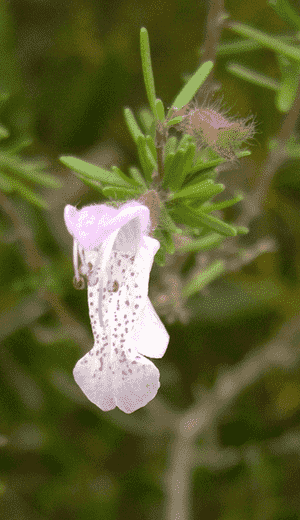
Largeflower false rosemary (Conradina grandiflora)
Also known as: Scrub rosemary, Large-flowered rosemary, Large-flowered false rosemary
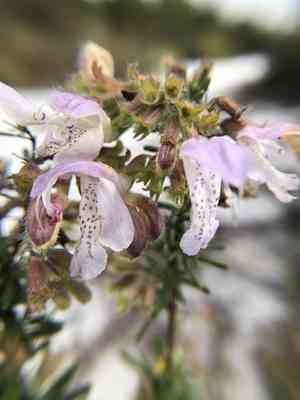
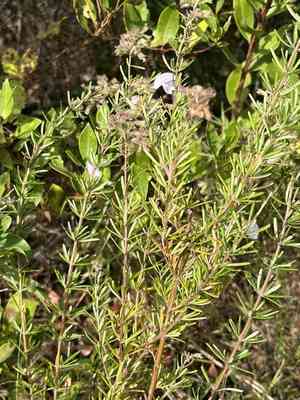
Largeflower false rosemary (Conradina grandiflora) flourishes in Florida's sandy upland soils, preferring full sunlight. This shrub features aromatic, needle-like, silvery-green leaves well-suited for hot, dry environments. It stands out with its large, tubular lavender to rose-colored flowers, which primarily bloom in the fall. The plant is highly attractive to pollinators such as bees and butterflies, enhancing its ecological value.
In This Article
Attributes of Largeflower false rosemary
Lifespan
Perennial
Plant Type
Shrub
Plant Height
1 to 3 feet
Spread
1 to 4 feet
Leaf Color
Green
Flower Size
0.5 to 1 inch
Flower Color
Violet to lavender
Images of Largeflower false rosemary


Quickly Identify Largeflower false rosemary
1
Identify Conradina grandiflora by its aromatic, needle-like leaves and its clusters of violet to lavender flowers. This plant also emits a distinctive fragrance when its leaves are crushed.
Scientific Classification of Largeflower false rosemary
Phylum
Vascular plants
Class
Dicotyledons
Order
Lamiales
Family
Mint
Genus
False rosemary
Species
Largeflower false rosemary
Planting and Growing of Largeflower false rosemary
Care Difficulty
Moderate
Watering Schedule
Every 4 days
Sunlight Requirements
Full sun
Sunshine Duration
4-8 hours
Ideal Temperature
65-75℉
Soil Type
Potting Mix, Peat Mix
Soil pH
6-7.5
Fertilizer Type
Balanced
Pruning Season
Spring, Summer
Pruning Area
Branches, Leaves
Pruning Frequency
2 times a year
Repotting Season
Spring
Pot Type
Terracotta, Plastic
 How to Water Largeflower false rosemary?
When watering Conradina grandiflora, ensure that the soil is moistened thoroughly until excess water just begins to drain from the bottom. This signals the roots have been sufficiently hydrated, yet avoids waterlogging.
What are the symptoms of an underwatered Largeflower false rosemary?
›
What should I do if my Largeflower false rosemary is not getting enough water?
›
What are the symptoms of an overwatered Largeflower false rosemary?
›
How to save an overwatered Largeflower false rosemary?
›
 What Are the Sunlight Requirements for Largeflower false rosemary?
An ideal light range for Conradina grandiflora is full sun to partial sun, ensuring the plant gets 6 to 8 hours of direct sunlight daily. Ideal light enhances photosynthesis, leading to vibrant health and robust blooming.
Question 1: What is the ideal lighting environment for Conradina grandiflora?
›
Question 2: How can I ensure my Conradina grandiflora receives optimal lighting?
›
Question 3: What are the benefits of providing the ideal light conditions?
›
 What Is the Ideal Temperature Range for Largeflower false rosemary?
Conradina grandiflora thrives best in a temperature range of 65°F to 75°F. This range mimics its native habitat's conditions, allowing the plant to engage in optimal metabolic activities. Maintaining this ideal temperature ensures robust growth and vegetative reproduction. It is crucial to monitor this range throughout the year to avoid possible stress and growth hindrance.
 What Soil is Best for Largeflower false rosemary?
Conradina grandiflora thrives best in well-draining soil to prevent root rot. This characteristic is vital because it enhances oxygen availability to the roots, promoting strong and healthy growth. The plant requires nutrient-rich soil to sustain its vibrant foliage and flowering. A balanced presence of organic matter keeps the soil fertile and encourages a lush appearance. Conradina grandiflora needs soil with moderate moisture retention capability to ensure hydration without waterlogging. This balance supports consistent plant vitality and reduces stress.
 How to Fertilize Largeflower false rosemary?
Conradina grandiflora, also known as large-flowered rosemary, thrives best with a balanced fertilization approach. For liquid fertilizer, use a diluted solution at half the recommended strength to prevent root burn. Aim for approximately 1 tablespoon per gallon of water.
 How to Prune Largeflower false rosemary?
Start by identifying any dead or damaged branches and remove them with clean, sharp shears. Next, trim back any overgrown areas to maintain the desired shape. Focus on cutting above leaf nodes to promote lush growth. Always make clean cuts to prevent damage to the plant tissue. To encourage bushier growth, prune the tips of young branches. This will stimulate the plant to produce more side shoots, resulting in a fuller and denser appearance. Remember to step back and assess the plant’s overall shape as you prune to ensure it remains symmetrical.
More About Pruning Techniques→
 How to Propagate Largeflower false rosemary plant?
1
Choose healthy, disease-free parent plants as sources for seeds or cutting material. This ensures the best genetic material and increases the success rate of propagation.
2
Prepare a well-draining growth medium, such as a mix of peat moss and perlite. Proper medium ensures adequate aeration and moisture retention for root development.
3
Plant seeds or insert cuttings into the growth medium. Maintain consistent moisture and provide indirect light to encourage germination or rooting.
 How to Repot Largeflower false rosemary plant?
1
Knowing the right time to repot Conradina grandiflora is crucial. Look for signs such as roots growing out of the drainage holes, the plant appearing root-bound, or the soil drying out too quickly. These are clear indications that it’s time for a larger pot.
2
Select a pot that is one size larger than the current pot with adequate drainage holes. This prevents water from accumulating at the bottom and reduces the risk of root rot. A clay or terracotta pot is ideal as it allows excess moisture to evaporate, naturally regulating soil moisture.
3
Use a well-draining sandy soil mix for Conradina grandiflora. This ensures that water does not stay in the soil for long periods, which can lead to root rot. A mix with added perlite or coarse sand enhances drainage and mimics the plant's natural habitat.
Learn More About Largeflower false rosemary Diseases
Anthracnose
Bacterial Leaf Spot
Bacterial Soft Rot
Crown Gall
Cyst Nematode
Damping-off
Downy Mildew
Drought Stress
Fusarium Wilt
Gray Mold
Leaf Curl
Leaf Spot
Mosaic
Nutrient Deficiency
Nutrient Toxicity
Powdery Mildew
Root Rot
Root-knot Nematode
Rusts
Sooty Mold
Spider Mites
Temperature Stress
Thrips Damage
White Mold



