How to Prune Largeflower false rosemary?
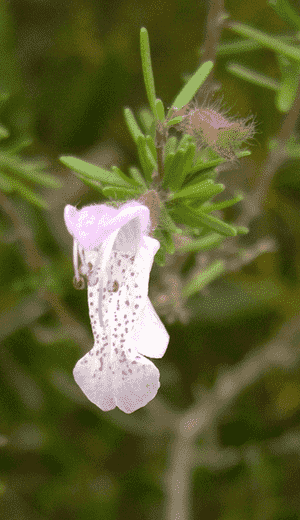
Largeflower false rosemary is recognized for its fragrant leaves and prominent blossoms. Perform pruning in early spring prior to the emergence of new shoots, eliminating any deceased, injured, or excessively long branches. Gentle trimming fosters a denser growth habit and a greater profusion of blooms. Refrain from severe pruning, as this can cause distress to the plant. Consistent upkeep improves air movement, thereby lowering the likelihood of disease. Always use sanitized, keen implements for precise incisions. Pruning additionally aids in preserving the plant's form and dimensions, rendering it more controllable and aesthetically pleasing.
What Are the Benefits of Pruning Largeflower False Rosemary?
What Are the Benefits of Pruning Largeflower False Rosemary?
Largeflower false rosemary thrives with trimming, promoting vigorous development and an appealing form. Pruning eliminates dead or ailing branches, improving air circulation and light exposure, which reduces pest and disease problems and boosts overall vitality and blooming.
What Is the Best Time for Pruning Largeflower False Rosemary?
What Is the Best Time for Pruning Largeflower False Rosemary?
Trimming largeflower false rosemary in early spring aligns with its growth cycle, ensuring minimal disruption to its flowering period. Early spring provides a favorable environment for new growth, which can flourish without interference from extreme summer heat. Pruning during this time promotes healthier, more vigorous growth and allows the plant to recover quickly before the active growing season. This timing also helps prevent any potential damage from winter weather, ensuring the plant remains robust and visually appealing.
What Tools Do I Need to Prune Largeflower False Rosemary?
Hand Pruners (Bypass Pruners)
Bypass pruners are perfect for making clean cuts on small stems and branches, commonly found in largeflower false rosemary. They are essential for detailed trimming, allowing gardeners to shape the plant and remove dead or unwanted growth without harming the surrounding area.
Loppers
For thicker stems that hand pruners cannot manage, loppers offer greater leverage and cutting power. This tool is vital for maintaining largeflower false rosemary's overall structure and health, especially when branches become more substantial.
Pruning Saw
A pruning saw is beneficial for cutting more significant branches that cannot be handled with loppers. Although largeflower false rosemary typically has thinner stems, older or more established plants may develop thicker branches requiring a saw for clean removal.
Gloves
While not a cutting tool, gloves are crucial for protecting hands from sharp stems and ensuring a safe pruning process. This is important when dealing with dense or thorny growth characteristic of largeflower false rosemary.
Disinfectant Solution
Proper tool maintenance includes sanitizing pruners and saws between cuts to prevent the spread of disease. Using a disinfectant solution is crucial for maintaining plant health, especially when pruning multiple plants or addressing diseased areas.
How to Prune Largeflower False Rosemary
Sanitize tools
Before beginning to trim, disinfect your pruning tools with a solution of one part bleach to nine parts water to prevent spreading diseases.
Inspect plant
Examine largeflower false rosemary thoroughly, identifying diseased leaves, withered leaves, dead branches, and diseased branches that need to be removed.
Remove diseased leaves
Carefully cut away diseased leaves using sharp, sanitized pruners. Make clean cuts to minimize damage and prevent disease spread.
Trim withered leaves
Prune withered leaves by snipping them off at the base where they meet the stem or branch, encouraging healthy new growth.
Cut dead and diseased branches
Trim dead and diseased branches back to healthy wood or to the branch's base, making clean, angled cuts to facilitate proper healing and prevent further decay.
Common Pruning Mistakes with Largeflower False Rosemary
Over-pruning
Removing too much foliage can stress the plant and inhibit growth. It's important to avoid cutting back more than one-third of the plant at a time.
Improper tools
Using dull or unsuitable tools can cause jagged cuts which make the plant susceptible to disease. Always use sharp, clean pruners.
Pruning at wrong angles
Cutting at improper angles can damage stem tissue and impede healing. Ensure cuts are made at a slight angle to allow water run-off and encourage quick healing.
Ignoring dead or diseased branches
Failing to remove dead or diseased branches can spread disease and pests. Always prioritize removing unhealthy parts of the plant.
Common Pruning Tips for Largeflower False Rosemary
Inspect the plant
Before pruning, look for dead, diseased, or damaged branches. Removing these first helps maintain overall plant health.
Thin out interior branches
Lightly thinning out dense areas within the plant allows better air circulation and sunlight penetration, reducing disease risk.
Cut above healthy buds
When making cuts, always prune just above a healthy bud or side branch to encourage new growth in the right direction.
Use the correct technique
For larger branches, use the three-cut method: an initial cut on the underside to prevent tearing, a second cut further out to remove the bulk, and a final clean-up cut to ensure a smooth finish.



