How to Transplant False rosemary?
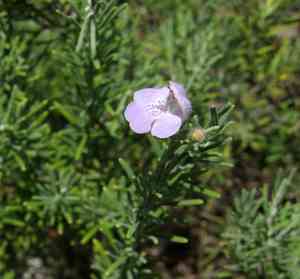
Relocate false rosemary when rejuvenation and expansion are desired – usually, the spring season provides optimal circumstances. Confirm a bright spot with soil that drains effectively. Carefully extracting it from its present container reduces shock, promoting a smooth adjustment.
Preparations Required Before Relocating False Rosemary?
Optimal Timing for False Rosemary Relocation?
The best time to move false rosemary is during the spring months. This period, characterized by mild temperatures and sufficient moisture, provides perfect conditions for root development. Shifting false rosemary at this time ensures a smooth transition, as the soil is warm enough to encourage root growth but not excessively hot to stress the plant. Helpful hint: settle your false rosemary into its new spot during this season for vigorous growth!
Recommended Spacing Between False Rosemary Plants?
To allow your false rosemary ample room to expand, aim for a separation of approximately 2-3 feet (60-90 cm) between plants when transplanting. This guarantees each plant has sufficient area to develop and flourish!
Ideal Soil Blend for False Rosemary Transplanting?
Achieving the correct soil composition is vital. False rosemary thrives in well-draining, sandy or loamy soil. A generous addition of organic compost base fertilizer in the planting site will provide an excellent start!
Where to Replant Your False Rosemary?
For thriving false rosemary plants, select a garden location that receives full to partial sun exposure. This means about 6 to 8 hours of sunlight daily. They adore the sun and will reward you with beautiful blossoms!
Equipment to Prepare Before Transplanting False Rosemary?
Trowel
For digging small holes for your false rosemary plant and assisting in its careful removal from its original spot.
Gardening Gloves
To safeguard your hands while handling soil and plants.
Watering Can
To hydrate the false rosemary plant before and after its relocation.
Wheelbarrow or Bucket
For moving the false rosemary plant from its initial position to its new home.
Garden Spade or Shovel
These are perfect for excavating larger holes and aiding in lifting the false rosemary plant from its initial location.
Pruning Shears
To trim any dead or diseased branches.
How to Extract False Rosemary from the Soil?
How to Extract False Rosemary from the Soil?
From Ground: First, water the false rosemary plant until the soil is damp, which helps keep its root ball intact during the move. Then, using a garden spade or shovel, dig a circle around the plant, ensuring you're far enough from the main stem to prevent root damage. Gradually deepen the circle and slightly lift the false rosemary plant to locate the main roots. Avoid cutting them; instead, continue widening and deepening the circle. Gently lift the plant from the ground once the roots are free.From Pot: Begin by watering the false rosemary plant in its container. Place your hand over the pot's top, with the plant's stem between your fingers. Then, invert the pot and gently tap it to release the plant. Use your fingers to carefully untangle any roots circling the outside of the root ball.From Seedling Tray: Water the tray beforehand, then invert it and tap gently. The seedlings should dislodge easily. Be sure to handle the false rosemary plant by its leaves, not its stems or roots.
Step-by-Step Guide for Relocating False Rosemary
Digging a hole
Excavate a hole twice as wide and as deep as the false rosemary plant's root ball. This spacious hole will allow the roots ample room to spread and establish.
Placing the plant
Carefully position the false rosemary plant in the center of the hole. Ensure it stands upright and the top of its root ball is level with the ground surface.
Backfilling
Partially refill the hole with the original soil, being careful not to bury the false rosemary plant's stem.
Watering
Thoroughly water the false rosemary plant to help settle the soil and eliminate any air pockets around the roots.
Final Filling
Once the water has drained, complete the backfilling. Gently pat the soil down with your hands.
Post-Transplant Care for False Rosemary?
Watering
The false rosemary plant requires frequent watering after being transplanted. Keep the soil consistently moist, but be careful not to overwater.
Pruning
Remove any dead or damaged leaves to direct more of the plant's energy towards establishing itself in its new location. However, avoid heavy pruning of the false rosemary plant, as it needs as many leaves as possible to produce the food necessary for root development.
Checking
Periodically inspect the plant's base to ensure it is anchoring itself into the soil. You want to confirm the false rosemary plant isnât leaning to one side.
Mulching
Apply a layer of organic mulch around the plant's base to retain moisture and suppress weed growth.
Resolving Common Issues with False Rosemary Transplantation.
What is the best season for transplanting false rosemary?
The optimal period for relocating false rosemary is during the milder climates of S1-S3 season. This allows the plant to better adapt to its new location before extreme weather conditions occur.
What is the ideal distance to space false rosemary during transplantation?
Keep false rosemary approximately 2-3 feet (or 60-90 cm) apart when transplanting. This provides ample room for growth and prevents overcrowding, fostering a healthier growing environment.
How much sunlight does false rosemary need during transplantation?
False rosemary thrives best in full sunlight to partial shade. When transplanting, try to identify a suitable location where it can receive the appropriate amount of sun exposure.
What type of soil should be used when transplanting false rosemary?
When transplanting false rosemary, use soil that is well-draining and rich in organic matter. Avoid dense soils that can lead to waterlogging and cause root rot.
How to water false rosemary during the transplantation process?
Water false rosemary thoroughly but not too often. Prevent extended periods of dryness between waterings, but overwatering can lead to root decay. Adjust the frequency based on weather conditions.
What size of pot or ground space is needed when transplanting false rosemary?
For transplanting false rosemary, a pot or ground space of at least 10 inches (25 cm) deep and wide is necessary to accommodate healthy root growth.
How do I handle the roots of false rosemary during transplantation?
Treat the roots gently when transplanting false rosemary. Make sure to lightly separate any tangled roots before placing it in the new location. Avoid damaging the roots.
What should I do if the leaves of false rosemary start to wilt after transplantation?
If the leaves of false rosemary wilt after transplanting, ensure they are adequately watered and provide some shade. Transplant shock could be a possible cause, which should improve over time.
How to ensure successful acclimation of false rosemary after transplantation?
Monitor false rosemary for a couple of weeks after transplanting, guaranteeing it's receiving enough water and sunlight. Protect it from extreme weather conditions during this stage to help successful acclimatization.
Can I transplant false rosemary if it's currently flowering or in bloom?
Yes, it is possible, but it's advisable to transplant false rosemary in its dormant state, usually in the S1-S3 season, when it's not flowering, to prevent potential transplant shock.



