How to Prune False rosemary?
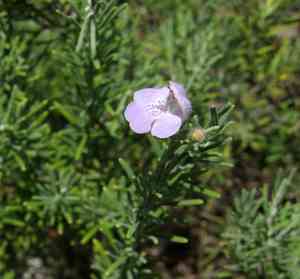
A perennial bush recognized for its fragrant leaves and light purple blossoms, false rosemary flourishes with infrequent trimming. To ensure peak vitality and development, perform pruning in late spring or early summer, following the blooming period, to preserve its form and stimulate additional flowers. Remove any lifeless or compromised stems to improve air movement. Pruning additionally boosts the production of aromatic oils, intensifying false rosemary's appealing scent. Refrain from severe cutting to prevent imposing strain on the plant.
What Are the Benefits of Pruning False Rosemary?
What Are the Benefits of Pruning False Rosemary?
Trimming false rosemary promotes more robust flower production and boosts its resistance to pests and diseases, leading to a healthier, more vibrant shrub.
What Is the Best Time for Pruning False Rosemary?
What Is the Best Time for Pruning False Rosemary?
The optimal period to prune or trim false rosemary is during late spring or early summer, once the plant has finished its initial spring growth spurt. This timing enables gardeners to shape the plant without hindering new development. Pruning in late spring aligns with post-flowering care for false rosemary, ensuring the plant has ample time to recover and generate new growth before the dormant winter season. Furthermore, trimming false rosemary in early summer helps maintain its desired size and prevents any potential negative impact on the subsequent year's blooms. This timeframe also typically falls after any frost risk, which could harm new growth, and before the intense heat of mid to late summer that can stress the plant, especially after pruning. Pruning within this window provides false rosemary with the best conditions for healing and subsequent development, thereby contributing to its overall health and vitality.
What Tools Do I Need to Prune False Rosemary?
Bypass Pruners
Perfect for making clean cuts on false rosemary's stems and smaller branches, bypass pruners minimize damage to delicate tissues, encouraging healthy regrowth.
Garden Shears
Useful for shaping and maintaining the dense foliage of false rosemary, garden shears ensure uniform cuts and aid in achieving a desired form.
Pruning Saw
For larger, woody stems that bypass pruners cannot manage, a pruning saw can make precise cuts without tearing, which is crucial for the health of false rosemary.
How to Prune False Rosemary
Clean tools
Before pruning false rosemary, ensure all cutting implements are clean and sharp to prevent disease transmission to the plant and to make clean cuts that heal more quickly.
Remove diseased and dead
Carefully remove any diseased leaves and branches from false rosemary by cutting them at their base, as close to the main stem as possible, without harming healthy tissue.
Trim withered parts
Prune away withered leaves, dead branches, and spent flowers of false rosemary to encourage healthy growth and improve air circulation, snipping them at their origin point or back to a healthy outward-facing bud.
Prune for shape
Shape false rosemary by selectively cutting back overly long branches. Trim these branches to maintain the desired plant shape and size, promoting a bushier growth habit.
Cleanup
After pruning false rosemary, clear away all removed plant material to prevent potential disease spread and maintain garden cleanliness.
Common Pruning Mistakes with False Rosemary
Overpruning
Removing too much foliage at once can stress false rosemary and diminish its capacity for photosynthesis, which is essential for its health and development.
Unequal pruning
Pruning false rosemary unevenly can result in an unbalanced shape, impacting both its appearance and potentially its growth pattern.
Neglecting tools
Not using clean, sharp pruning tools can damage false rosemary's branches, leading to ragged cuts that are more vulnerable to diseases.
Ignoring wounds
Failing to properly care for larger cuts or wounds after pruning may leave false rosemary susceptible to infections and pests.
Inconsistent pruning
Pruning false rosemary too infrequently or too often can lead to sparse foliage and reduced flowering, as false rosemary thrives with consistent pruning practices.
Common Pruning Tips for False Rosemary
Selective pruning
Opt for selectively removing only the older, woody stems to encourage new growth without compromising the overall shape and health of false rosemary.
Shape maintenance
Focus on maintaining a natural shape when pruning false rosemary, which results in a more attractive plant and promotes better air circulation among the branches.
Rejuvenation
Periodically perform rejuvenation pruning on false rosemary by cutting back a few of the oldest stems to ground level to stimulate new, vigorous growth.
Wound care
After making any significant cuts, apply a suitable wound sealant to false rosemary's larger cuts to protect against pathogens and support healthy healing.
Tool sanitation
Always sanitize pruning tools before and after use on false rosemary to prevent the spread of diseases from one plant to another.



