How to Transplant Rocky mountain hemlockparsley?
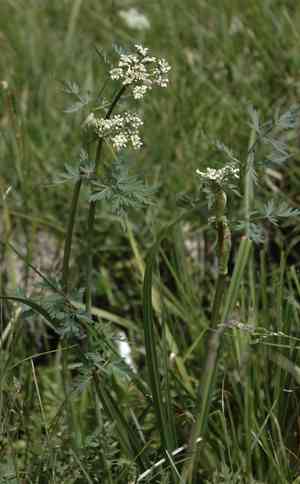
Rocky mountain hemlockparsley flourishes when transplanted at the initial stages of spring, benefiting from moderate temperatures and damp earth. Select a location with partial shade and well-draining, rich soil. Emphasize prompt settling to enhance hardiness.
What Preparations are Needed Before Transplanting Rocky Mountain Hemlockparsley?
What is the Ideal Time for Transplanting Rocky Mountain Hemlockparsley?
The best time to move rocky mountain hemlockparsley is during early to mid-spring. During this period, the plant is either dormant or just beginning to emerge, which minimizes root disturbance and allows it to settle in before summer's heat. Transplanting at this time promotes strong development and better acclimation.
How Much Space Should You Leave Between Rocky Mountain Hemlockparsley Plants?
Position rocky mountain hemlockparsley plants approximately 12-18 inches (30-45 cm) apart to provide ample room for growth and ensure adequate air circulation.
What is the Best Soil Mix for Rocky Mountain Hemlockparsley Transplanting?
Prepare well-draining, rich soil for rocky mountain hemlockparsley. Incorporate compost or organic material, and add a balanced base fertilizer like 10-10-10, about 1-2 inches (2.5-5 cm) beneath the surface soil.
Where Should You Relocate Your Rocky Mountain Hemlockparsley?
Select a site with partial shade to filtered sunlight for rocky mountain hemlockparsley. This plant thrives where it receives some morning sun but is shielded during the hottest parts of the afternoon.
What Equipments Should You Prepare Before Transplantation Rocky Mountain Hemlockparsley?
Gardening Gloves
To safeguard your hands while handling soil and the plant.
Shovel or Spade
For excavating and creating a new planting hole.
Garden Trowel
Useful for working around roots and in confined areas.
Watering Can or Hose
For hydrating the plant both before and after relocation.
Wheelbarrow
To move the plant if it's large or the new spot is distant.
Mulch
To retain moisture and safeguard the plant's base post-transplant.
How Do You Remove Rocky Mountain Hemlockparsley from the Soil?
How Do You Remove Rocky Mountain Hemlockparsley from the Soil?
From Ground: First, moisten the soil around the rocky mountain hemlockparsley plant. Then, use a shovel or spade to dig a wide trench around the plant, ensuring the root ball stays intact. Carefully work the spade beneath the root ball to lift the plant from its original spot.From Pot: Thoroughly water the rocky mountain hemlockparsley plant. Gently tip the pot sideways and lightly tap the bottom to loosen the soil and slide the plant out. Be sure to support the root ball and avoid damaging the roots.From Seedling Tray: Lightly water the rocky mountain hemlockparsley seedling. Gently press the bottom of the tray cells to push the seedlings upward and out, being careful with the delicate roots.
Step-by-Step Guide for Transplanting Rocky Mountain Hemlockparsley
Hole Preparation
Excavate a hole in the new location that is twice as wide and equally deep as the rocky mountain hemlockparsley plant's root ball. This facilitates easy root expansion in the new environment.
Soil Removal
Extract the existing soil from the hole and set it aside, blending it with compost if needed to enrich the soil for the rocky mountain hemlockparsley plant.
Root Ball Placement
Position the rocky mountain hemlockparsley plant's root ball into the hole, ensuring it is level with or slightly above the surrounding ground to account for settling.
Soil Backfill
Refill the hole with the soil mixture, gently tamping it down around the roots to eliminate air pockets and provide stability.
Watering
Thoroughly water the rocky mountain hemlockparsley plant after transplanting to settle the soil and encourage root development.
Mulching
Apply a layer of mulch around the base of the rocky mountain hemlockparsley plant, keeping it a few inches away from the stem to prevent rot.
How Do You Care For Rocky Mountain Hemlockparsley After Transplanting?
Watering
Maintain consistent moisture in the soil around the rocky mountain hemlockparsley, avoiding sogginess, for the initial weeks post-transplant to aid in strong root establishment.
Protection
Shield the rocky mountain hemlockparsley from strong winds and extreme temperatures if necessary, using windbreaks or temporary shade structures.
Monitoring
Regularly inspect the rocky mountain hemlockparsley for any indications of stress, such as wilting or yellowing leaves, and promptly adjust water, light, or protection as required.
Troubleshooting Common Issues with Rocky Mountain Hemlockparsley Transplantation.
What's the best time to transplant rocky mountain hemlockparsley?
The optimal period for relocating rocky mountain hemlockparsley is early to mid-spring when the plant is dormant.
How far apart should I space rocky mountain hemlockparsley plants?
Space rocky mountain hemlockparsley plants 12-18 inches (30-45 cm) apart to ensure sufficient room for growth.
What kind of soil does rocky mountain hemlockparsley prefer?
Rocky mountain hemlockparsley thrives in well-draining, nutrient-rich soil. Incorporate compost to improve poor soil before transplanting.
How do I handle rocky mountain hemlockparsley roots during transplanting?
Handle the roots of rocky mountain hemlockparsley with care to prevent damage, as they are delicate and easily disturbed.
How much water does rocky mountain hemlockparsley need after transplanting?
Water rocky mountain hemlockparsley thoroughly after transplanting and keep the soil consistently moist but not waterlogged.
Should I fertilize rocky mountain hemlockparsley after transplanting?
Wait several weeks after transplanting rocky mountain hemlockparsley before applying a balanced fertilizer to prevent root burn.
What is the proper technique for digging up rocky mountain hemlockparsley?
Dig a wide perimeter around rocky mountain hemlockparsley, at least 10 inches (25 cm) from the stem, to preserve its roots.
How can I protect rocky mountain hemlockparsley from transplant shock?
Water rocky mountain hemlockparsley thoroughly, ensure proper spacing, and avoid immediate fertilization to reduce transplant shock.
When should I prune rocky mountain hemlockparsley during transplanting?
Lightly prune rocky mountain hemlockparsley before transplanting to remove any damaged or dead parts and encourage new growth.
What kind of light does rocky mountain hemlockparsley need after transplanting?
Rocky mountain hemlockparsley prefers partial to full sunlight. Position it in a spot that receives at least 4-6 hours of light daily.



