How to Propagate Rocky mountain hemlockparsley?
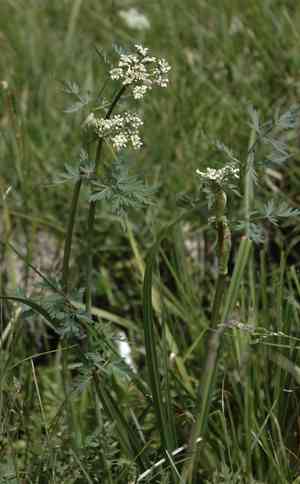
Rocky mountain hemlockparsley is an indigenous perennial plant frequently encountered in the Rocky Mountains. The most effective propagation technique is direct seeding, utilizing recently harvested seeds that require a period of cold stratification for successful sprouting. Confirm that seeds are planted in a soil blend with good drainage and situated in a location with partial shade. Apply water judiciously to maintain soil dampness without saturation. Space out young plants to prevent excessive density, fostering more robust development.
When Is the Optimal Time to Propagate Rocky Mountain Hemlockparsley?
Propagation Type
Sowing
Propagation Season
Spring
What Equipment Is Utilized in Rocky Mountain Hemlockparsley Propagation?
Seed Trays
Seed trays offer a controlled setting for the initial phases of rocky mountain hemlockparsley propagation. They provide proper drainage and room for germination, which is vital for robust seedling growth.
Seed Starting Mix
A quality seed starting mix is crucial for rocky mountain hemlockparsley propagation as it provides a well-draining, sterile medium that minimizes disease risk and offers ideal conditions for seed germination and root development.
Heating Mat
Employing a heating mat beneath seed trays helps maintain a consistent soil temperature, which is important for the successful germination of rocky mountain hemlockparsley seeds, especially in cooler climates.
Humidity Dome
A humidity dome placed over seed trays retains moisture and maintains humidity levels, two conditions that are essential for the germination of rocky mountain hemlockparsley seeds. It also prevents the soil from drying out too quickly.
Misting Bottle
A misting bottle gently waters the seeds without disturbing them or causing soil compaction. Maintaining consistent moisture levels is key for rocky mountain hemlockparsley's early growth stages.
Seed Label Markers
Label markers help keep track of rocky mountain hemlockparsley seeds and seedlings, ensuring proper identification and care throughout the propagation process.
Small Trowel
A small trowel is useful for carefully transplanting rocky mountain hemlockparsley seedlings from seed trays to larger pots or garden beds without damaging the delicate roots.
Growing Lights
If natural sunlight is insufficient, growing lights provide the necessary light spectrum for healthy photosynthesis and growth, which is essential for rocky mountain hemlockparsley seedlings during propagation indoors.
Fungicide Spray
A fungicide spray can prevent fungal diseases that may attack rocky mountain hemlockparsley seedlings. Healthy plants during the propagation process lead to higher success rates and stronger growth.
How to Propagate Rocky Mountain Hemlockparsley?
Propagation Type
Easy
How to Care for Your Newly Propagated Rocky Mountain Hemlockparsley?
How to Care for Your Newly Propagated Rocky Mountain Hemlockparsley?
After transplanting, ensure that rocky mountain hemlockparsley is situated in a location with well-draining soil and partial to full sun. Water regularly but avoid waterlogging. Mulch around the base of the plant to retain moisture and suppress weeds. Fertilize sparingly to avoid overloading the plant with nutrients. Monitor for pests and diseases, although rocky mountain hemlockparsley is relatively hardy. Regularly prune to maintain shape and remove any dead or damaged parts.
Common Mistakes to Avoid When Propagating Rocky Mountain Hemlockparsley
Overwatering
Excess moisture can lead to root rot and fungal infections, severely affecting the plant's health and propagation success.
Inadequate Drainage
Poorly draining soil can trap water, causing root rot and hinder germination.
Improper Seed Handling
Damaging seeds during handling or not providing the necessary stratification can reduce germination rates.
Incorrect Soil Composition
Using the wrong soil mix that doesn't match rocky mountain hemlockparsley's native conditions can hinder root development and overall growth.
Insufficient Light
Lack of adequate light can lead to weak, leggy seedlings that struggle to establish.
Tips For Propagating Rocky Mountain Hemlockparsley
Well-Draining Soil
Use a soil mix that ensures good drainage to prevent waterlogging and root rot.
Seed Stratification
Provide cold stratification for seeds, mimicking natural conditions to improve germination rates.
Proper Watering
Water seedlings moderately, ensuring the soil remains moist but not waterlogged.
Gentle Seed Handling
Handle seeds carefully to avoid damage and increase the likelihood of successful germination.
Adequate Lighting
Ensure seedlings receive sufficient light to promote strong, healthy growth, using supplemental lighting if necessary.



