How to Transplant Narrow-leaved ice plant?
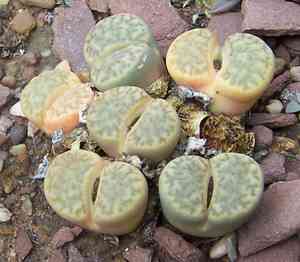
The ideal period for relocating narrow-leaved ice plant spans from the latter part of spring through mid-summer, fostering robust development. Choose a location bathed in sunlight featuring soil that drains effectively. Exercise care when handling narrow-leaved ice plant to preserve the root system's soundness throughout the transfer.
Essential Preparations Before Relocating Narrow-leaved Ice Plant
Optimal Timing for Transplanting Narrow-leaved Ice Plant?
Choose the warm, consistent growth period from late spring until just before peak summer for moving your narrow-leaved ice plant. This timeframe offers mild temperatures and extended daylight, allowing narrow-leaved ice plant ample opportunity to establish its root system before colder weather arrives. Moving narrow-leaved ice plant during this window leverages the expectation of sunny days, which aids in regrowth and minimizes transplant shock. Ensuring narrow-leaved ice plant settles into its new spot during this season significantly boosts its chances of thriving, as the gentle climate supports recovery and resilience.
Recommended Spacing Between Narrow-leaved Ice Plant Specimens?
Provide your narrow-leaved ice plant with adequate room to flourish! Aim for a spacing of approximately 12-18 inches (30-46 cm) between plants. This ensures they have sufficient area to expand their roots and grow without competing for essential nutrients or sunlight.
Best Soil Mixture for Narrow-leaved Ice Plant Relocation?
Our narrow-leaved ice plant thrives in well-draining soilâit's their preferred environment! Incorporate some sandy or loamy soil along with a small amount of low-nitrogen, slow-release fertilizer to give them a robust start. This nutrient boost will help them settle effectively in their new home.
Ideal Location for Your Narrow-leaved Ice Plant?
Sunlight is narrow-leaved ice plant's best companion! Select a bright location where they can receive at least 6 hours of direct sunlight daily. This sun-drenched area helps narrow-leaved ice plant prosper, so a South or West-facing spot would be perfectly suited for them.
Tools Required Before Transplanting Narrow-leaved Ice Plant?
Gardening Gloves
To safeguard your hands while handling soil and plants.
Spade or Shovel
For excavating and lifting the narrow-leaved ice plant.
Garden Fork
To loosen the soil surrounding the plant.
Watering Can
For hydrating the narrow-leaved ice plant before and after its move.
Pruning Shears
For trimming any damaged roots or leaves if necessary.
Wheelbarrow or Garden Cart
To transport the narrow-leaved ice plant to its new site.
Trowel
For smaller digging tasks and refining the planting hole.
Garden Hose or Bucket
To supply ample water.
Mulch
To aid in retaining soil moisture and reducing weed competition around the narrow-leaved ice plant.
How to Extract Narrow-leaved Ice Plant from the Ground?
How to Extract Narrow-leaved Ice Plant from the Ground?
From Ground: First, hydrate the narrow-leaved ice plant to moisten the soil, simplifying the removal process. Next, use a garden fork to gently loosen the earth around the plant. Gradually expand the loosened area, being careful not to harm the root system. Once you can safely access beneath the root ball, use a spade or shovel to carefully lift the plant from its current spot.From Pot: Water the narrow-leaved ice plant and allow it to absorb moisture. Place one hand on the soil surface with the plant stem between your fingers. Tilt the container sideways and gently tap the bottom and sides to dislodge the root ball. Slowly ease the narrow-leaved ice plant out of the pot, ensuring the root ball is supported.From Seedling Tray: Water the seedlings thoroughly before beginning. Use a trowel or your fingers to carefully lift the narrow-leaved ice plant seedling from its cell. Be sure to support the soil and root mass to prevent undue stress on the plant during extraction.
Step-by-Step Guide for Relocating Narrow-leaved Ice Plant
Prepare the New Location
Select a new spot for the narrow-leaved ice plant that meets its growth requirements. Prepare the soil by removing any weeds and lightly aerating the area with a fork.
Dig the New Hole
Use your spade or shovel to excavate a hole that is twice the width of the narrow-leaved ice plant's root ball and of equal depth to avoid planting too deeply.
Plant Placement
Gently position the narrow-leaved ice plant in the center of the hole. Ensure the plant is upright and situated at the same depth it was previously growing. Backfill the hole with native soil, gently tamping it down to eliminate air pockets.
Water The narrow-leaved ice plant
Immediately after planting, thoroughly water the narrow-leaved ice plant to settle the soil around its roots and promote good contact between the roots and the soil.
Mulching
Apply a layer of mulch around the base of the narrow-leaved ice plant to conserve soil moisture levels and shield the roots from extreme temperatures.
Post-Transplant Care for Narrow-leaved Ice Plant
Initial Watering
Ensure the soil surrounding the narrow-leaved ice plant remains consistently moist for the first few weeks. Water the plant deeply but less frequently to encourage the development of deep roots.
Monitoring
Observe the narrow-leaved ice plant for indications of transplant shock, such as wilting, leaf drop, or discolored foliage, and intervene as necessary.
Support Structures
If the narrow-leaved ice plant is particularly tall or top-heavy, provide staking to help it remain upright and stable in its new position.
Pruning
Trim away any broken or damaged roots or foliage before transplanting. After establishment, minimal pruning is required, primarily for shaping the narrow-leaved ice plant or removing dead material.
Resolving Common Issues with Narrow-leaved Ice Plant Transplantation.
Why is my narrow-leaved ice plant struggling after transplanting?
Confirm it's receiving adequate sunlight and water. Avoid both over and under-watering, and place it in a brightly lit area.
Can I transplant narrow-leaved ice plant in autumn instead of suggested period?
Relocating narrow-leaved ice plant from late spring to mid-summer optimizes root establishment before colder weather. Off-season moves can lead to stunted growth.
How deeply should I plant narrow-leaved ice plant when transplanting?
Plant narrow-leaved ice plant so its root ball is flush with the soil surface, to prevent root suffocation or dehydration.
What is the ideal plant spacing for narrow-leaved ice plant?
Space narrow-leaved ice plant plants approximately 12-18 inches (30-46 cm) apart to allow for growth and access to nutrients.
How much should I water narrow-leaved ice plant after transplanting?
Water narrow-leaved ice plant generously immediately after transplanting to settle the soil, then revert to regular, moderate watering once established.
Should I fertilize narrow-leaved ice plant after transplanting?
Wait a few weeks before applying fertilizer to prevent root burn. Afterward, use a balanced fertilizer sparingly.
What type of soil is ideal for transplanting narrow-leaved ice plant?
Transplant narrow-leaved ice plant into well-draining soil rich in organic matter. Poor drainage can lead to root rot.
How do I prepare the transplant site for narrow-leaved ice plant?
Dig a hole twice the width of the root ball and amend the soil with compost to encourage healthy growth.
Can I transplant narrow-leaved ice plant on a hot, sunny day?
Avoid moving narrow-leaved ice plant during peak heat; choose a cooler, overcast day or late afternoon to minimize stress on the plant.
Is narrow-leaved ice plant prone to transplant shock?
Like many plants, narrow-leaved ice plant can experience transplant shock. Minimize this by disturbing its roots as little as possible during the process.



