How to Prune Narrow-leaved ice plant?
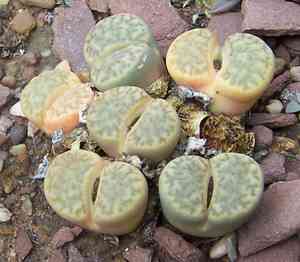
Commonly located in dry regions, narrow-leaved ice plant exhibits drought tolerance and a spreading growth pattern. The best times for trimming are during spring, summer, and autumn. To ensure robust upkeep, eliminate deceased or injured sections, and sculpt the plant to foster air circulation and light exposure. Cut back to a sound stem or leaf joint to stimulate robust new development. Consistent pruning deters excessive growth, aids in managing the plant's dimensions, and improves its appearance without diminishing its hardiness.
Advantages of Trimming Narrow-leaved Ice Plant
Advantages of Trimming Narrow-leaved Ice Plant
Trimming narrow-leaved ice plant promotes robust development and preserves its compact shape. Strategic cuts enhance air circulation and light exposure, vital for narrow-leaved ice plant's well-being and visual appeal.
Optimal Period for Trimming Narrow-leaved Ice Plant
Optimal Period for Trimming Narrow-leaved Ice Plant
The best times for trimming narrow-leaved ice plant align with its active growth phase, but avoid peak blooming or severe weather. In Spring, narrow-leaved ice plant resumes vigorous growth post-winter dormancy, making it ideal for shaping and removing damaged or dead parts, fostering healthy new growth. Late Summer trimming is beneficial for removing spent flowers and maintaining the plant's form, ensuring resources are directed to new growth and root development. Early Fall trimming is also suitable, as it prepares narrow-leaved ice plant for the upcoming winter while allowing cut areas to heal before potential frost. Trimming during these seasons helps maintain plant health and vitality while reducing disease risk. Each trimming session should be light to moderate, avoiding drastic cuts that could hinder growth or compromise the plant's resilience.
Necessary Tools for Trimming Narrow-leaved Ice Plant
Bypass Pruners
Narrow-leaved ice plant is a succulent with relatively slender stems, making bypass pruners perfect for clean, precise cuts without harming the plant's tissue.
Sharp Scissors
For smaller or delicate tasks, such as snipping off dead leaves or shaping, sharp scissors offer the needed control and accuracy.
Gloves
While narrow-leaved ice plant may lack thorns, it's always wise to wear gloves to shield your hands from potential plant sap and to ensure a better grip on trimming tools.
How to Trim Narrow-leaved Ice Plant
Sanitize tools
Before beginning, sterilize all trimming tools with alcohol or a bleach solution to prevent disease transmission to narrow-leaved ice plant.
Dead material removal
Remove any dead branches by cutting them back to the base of narrow-leaved ice plant using sharp, clean secateurs. Make the cut at a slight angle to prevent water from pooling on the cut surface and promote better healing.
Diseased part trimming
Identify and trim off diseased branches and leaves. Cut diseased branches back to healthy tissue and dispose of them properly to avoid contaminating other plants or parts of narrow-leaved ice plant.
Withered leaf removal
Carefully remove withered leaves from narrow-leaved ice plant, which can be gently pulled off or trimmed at the leaf base using a sharp knife or scissors.
Shape upkeep
After removing diseased and dead parts, lightly shape narrow-leaved ice plant if needed by trimming overgrown branches. Aim to preserve the natural form of narrow-leaved ice plant, avoiding excessive trimming which can lead to stress and reduced vigor.
Common Trimming Errors with Narrow-leaved Ice Plant
Excessive trimming
Removing too much growth at once can stress narrow-leaved ice plant, weakening it and potentially leading to its demise.
Imprecise cuts
Making jagged or torn cuts can damage narrow-leaved ice plant and introduce pathogens, which may cause disease and decay.
Trimming healthy tissue
Excising healthy growth without reason removes energy reserves and can limit narrow-leaved ice plant's flowering potential.
Ignoring dead material
Failing to remove dead or diseased tissue can inhibit new growth and promote the spread of pests and diseases.
Using dirty tools
Trimming with unclean equipment can spread diseases between plants, affecting narrow-leaved ice plant's health and vigor.
General Trimming Advice for Narrow-leaved Ice Plant
Sharp tools
Use clean, sharp trimming shears to make precise cuts that heal quickly, reducing the risk of disease and stress to narrow-leaved ice plant.
Disease management
Identify and promptly remove any diseased or dead material to maintain the health and appearance of narrow-leaved ice plant, preventing the spread of issues.
Minimal trimming
Conduct light trimming to shape narrow-leaved ice plant or remove occasional overgrowth, respecting its natural growth habit for optimal plant health.
Plant structure
Understand the growth pattern of narrow-leaved ice plant to make informed decisions about which parts to trim for maintaining an aesthetically pleasing and healthy plant.
Aftercare
Following trimming, ensure narrow-leaved ice plant receives adequate water, nutrients, and light to support recovery and new growth, especially during the active growing season.



