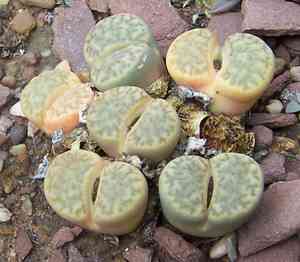
Narrow-leaved ice plant (Conicosia pugioniformis)
Also known as: Pig's-root
Conicosia pugioniformis, commonly known as the narrow-leafed ice plant, belongs to the ice plant family. Originally from South Africa, it has since spread to other parts of the world. Although it is considered invasive, it is not as detrimental as some other species within its family.
In This Article
Attributes of Narrow-leaved ice plant
Lifespan
Perennial
Plant Type
Herb
Plant Height
30 cm
Spread
Not typically measured, as it spreads through stems and roots than forming a distinct crown
Leaf Color
Green
Flower Size
8 cm
Flower Color
Yellow
Images of Narrow-leaved ice plant
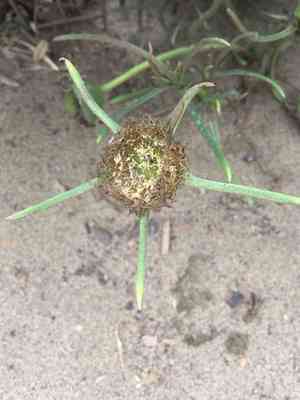
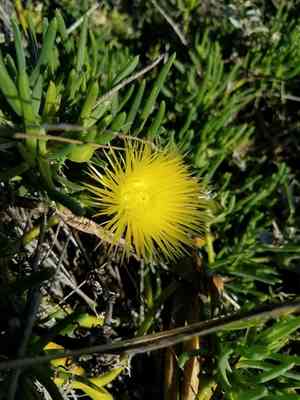
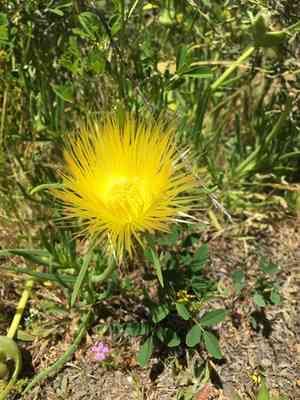
Quickly Identify Narrow-leaved ice plant
1
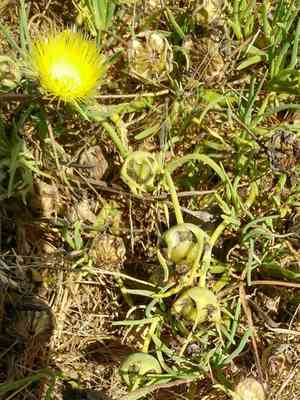
This plant can be identified by its long, thin, and pointed leaves that resemble daggers. Another distinctive feature is its large, bright yellow flowers which bloom in spring.
Scientific Classification of Narrow-leaved ice plant
Phylum
Vascular plants
Class
Dicotyledons
Order
Caryophyllales
Family
Fig-marigold
Genus
Narrow-Leafed Ice Plants
Species
Narrow-leaved ice plant
Planting and Growing of Narrow-leaved ice plant
Care Difficulty
Easy
Watering Schedule
Every 2 days
Sunlight Requirements
Full sun
Sunshine Duration
4-8 hours
Ideal Temperature
60-75℉
Soil Type
Potting Mix, Peat Mix
Soil pH
6.5-7.5
Fertilizer Type
Balanced
Pruning Season
Spring, Summer
Pruning Area
Branches, Leaves
Pruning Frequency
2 times a year
Repotting Season
Spring
Pot Type
Plastic, Ceramic
 How to Water Narrow-leaved ice plant?
For Conicosia pugioniformis, water should be given in moderate amounts, around 100 milliliters at a time. The principle behind watering is to ensure the soil is moist but not waterlogged. Ideal watering should allow moisture to penetrate the root zone without pooling on the surface. It's all about balance, ensuring the roots have enough to absorb without drowning.
What are the symptoms of an underwatered Narrow-leaved ice plant?
›
What should I do if my Narrow-leaved ice plant is not getting enough water?
›
What are the symptoms of an overwatered Narrow-leaved ice plant?
›
How to save an overwatered Narrow-leaved ice plant?
›
 What Are the Sunlight Requirements for Narrow-leaved ice plant?
Conicosia pugioniformis prefers full sun conditions. Adequate sunlight ensures efficient photosynthesis, promoting vigorous growth and a healthy floral display indicative of well-managed lighting.
More About Sunlight Requirements Techniques→
What is the best type of sunlight for Conicosia pugioniformis?
›
How can you ensure Conicosia pugioniformis gets enough light?
›
What benefits does ideal light have for Conicosia pugioniformis?
›
 What Is the Ideal Temperature Range for Narrow-leaved ice plant?
The ideal temperature range for cultivating Conicosia pugioniformis is approximately between 60°F and 75°F. This range promotes optimal photosynthesis and metabolic activities essential for healthy growth. Consistent temperatures within this range help the plant maintain vigor and develop robust foliage, providing a conducive environment for flowering and seed production.
 What Soil is Best for Narrow-leaved ice plant?
Conicosia pugioniformis thrives best in well-draining sandy soils. This condition prevents waterlogging, reduces root rot risk, and supports aeration, ensuring the roots get adequate oxygen for healthy growth. This plant prefers soil with a slightly alkaline pH, between 6.5 and 7.5. This range supports optimal nutrient absorption, promoting robust nutrient transfer and healthy vegetative growth. For vigorous growth, Conicosia pugioniformis benefits from soils enriched with organic matter. This ensures the plant has access to essential nutrients, leading to lush foliage and vibrant blooms.
 How to Fertilize Narrow-leaved ice plant?
Conicosia pugioniformis, being a robust succulent, requires moderate fertilization. A diluted liquid fertilizer with a balanced NPK ratio (e.g., 10-10-10) should be applied at a rate of 1/2 strength each time you fertilize, ensuring the nutrients are not too concentrated for the plant.
 How to Prune Narrow-leaved ice plant?
Always use sterilized tools to prevent the spread of diseases to your Conicosia pugioniformis. Be gentle with the plant to avoid unnecessary breakage of its fleshy leaves and stems. After pruning, observe the plant for any signs of stress or infection, and adjust care accordingly. Avoid pruning during peak heat to prevent plant shock and water immediately after pruning to help it recover.
More About Pruning Techniques→
 How to Propagate Narrow-leaved ice plant plant?
1
Before planting, soak the seeds in lukewarm water overnight to help soften the seed coat and improve germination rates. This step is essential for seed propagation.
2
Select a healthy plant and make a clean cut of about 3-4 inches just below a leaf node. Remove the lower leaves to expose the stem, which will encourage root growth.
3
Carefully remove the plant from its pot or soil, and use your fingers or a tool to gently separate the roots into clumps. Ensure each clump has a portion of roots and some foliage.
 How to Repot Narrow-leaved ice plant plant?
1
Look for signs such as roots growing out of the drainage holes or the plant seeming overly crowded. These are clear indicators that your Conicosia pugioniformis needs more space to thrive and should be repotted.
2
Select a pot that's slightly larger than the current one, with ample drainage holes. A terracotta pot works well, as it allows air flow and absorbs excess moisture, helping prevent root rot.
3
Opt for a well-draining, sandy soil mix specifically for succulents. This mix mimics their natural habitat, promotes quick water evaporation, and prevents water logging, ensuring your plant remains healthy.



