How to Transplant Longleaf cologania?
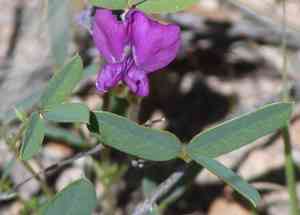
Relocate longleaf cologania between mid and late spring, once active growth recommences, to ensure the best root establishment. Select a location featuring soil that drains effectively and offers partial shade. Exercise caution to prevent any disruption to the roots, which is crucial for a successful transfer to its new site.
Necessary Preparations Before Relocating Longleaf Cologania?
Optimal Period for Moving Longleaf Cologania?
The prime time for relocating longleaf cologania is typically during the vibrant onset of early to mid-spring. This period aligns with the plant's natural growth cycle, ensuring a smooth transition and improved root establishment. By selecting this timeframe, you'll provide longleaf cologania with moderate temperatures and increasing daylight, which are ideal for robust development. Furthermore, transplanting longleaf cologania in this season allows them to settle before summer heat, minimizing transplant shock and fostering a flourishing garden presence.
Required Spacing Between Longleaf Cologania Plants?
When transplanting longleaf cologania, aim to provide ample room for growth. Position them approximately 18-24 inches (45-60 cm) apart. This ensures sufficient space for development without overcrowding, which could hinder their growth and overall health.
Best Soil Mixture for Longleaf Cologania Relocation?
For longleaf cologania, prepare soil that is rich in nutrients and drains effectively. Incorporate a balanced, slow-release fertilizer into the top layer of soil to give your plants a strong start. A mixture abundant in organic matter can help support vigorous growth.
Preferred Location for Your Longleaf Cologania?
Select a sunny spot in your garden for longleaf cologania, as they flourish with abundant light. An area receiving at least 6 hours of direct sunlight daily is ideal. In very hot climates, a location with some afternoon shade will offer protection.
Equipment Needed Before Transplanting Longleaf Cologania?
Gardening Gloves
To safeguard your hands while handling soil and plants.
Hand Trowel
For digging and fine-tuning around the new planting site.
Watering Can
To gently hydrate longleaf cologania before and after moving.
Shovel or Spade
To excavate the plant from its original location or container.
Garden Fork
To loosen the soil surrounding longleaf cologania's root mass.
Wheelbarrow or Garden Cart
For moving longleaf cologania and soil, if necessary.
Pruning Shears
To trim any damaged roots or foliage.
Mulch
To help maintain soil moisture around longleaf cologania after relocation.
Plant Support Stakes
To offer stability to longleaf cologania after transplanting, if needed.
How to Extract Longleaf Cologania from the Soil?
How to Extract Longleaf Cologania from the Soil?
From Ground: First, moisten the soil around longleaf cologania. Then, carefully dig a wide circle around the plant with a shovel or spade, ensuring the root ball remains intact. Gently work the spade beneath the root ball and lift longleaf cologania from the ground.From Pot: Begin by watering the plant to facilitate the removal of the root ball. Tilt the pot and gently tap or squeeze it to loosen the soil. Grasp the base of longleaf cologania and slowly ease it out of the pot.From Seedling Tray: Water the seedlings to keep the soil cohesive. Use a hand trowel or a pair of gardening knives to carefully lift each longleaf cologania seedling from the tray, minimizing root disturbance.
Step-by-Step Guide for Relocating Longleaf Cologania
Preparation
Before removing longleaf cologania from its current spot, prepare the new planting hole. It should be twice the width of the root ball and of the same depth to prevent burying the roots too deeply.
Root Ball
Once longleaf cologania is extracted, inspect the root ball for any circling or girdling roots and trim them if necessary. Ensure the roots are loose and not compacted before moving to the new site.
Transplanting
Position longleaf cologania in the center of the new hole, spreading the roots outwards. Backfill the hole with soil, gently firming it down to eliminate air pockets. Ensure longleaf cologania stands upright.
Watering
Water longleaf cologania thoroughly after transplanting to settle the soil and remove any remaining air gaps. The soil should be moist but not waterlogged.
Staking
If longleaf cologania is tall or in a windy area, provide support with garden stakes. Secure the stakes loosely to longleaf cologania with garden ties to allow for natural movement and growth.
Post-Transplant Care for Longleaf Cologania.
Initial Watering
Water longleaf cologania deeply immediately after transplanting and consistently during the first few weeks as the roots establish.
Mulching
Apply a layer of mulch around longleaf cologania to help retain soil moisture and regulate temperature, but keep it away from the direct stem area to prevent rot.
Monitoring
Observe longleaf cologania for signs of transplant shock, such as drooping leaves or discoloration, and address them promptly.
Pruning
If necessary, trim damaged or dead foliage to help longleaf cologania conserve energy for root and new foliage development.
Staking Re-assessment
Regularly check and adjust the stakes to ensure they provide the necessary support without harming longleaf cologania.
Resolving Common Issues with Longleaf Cologania Transplantation.
When is the best time to transplant longleaf cologania for optimal growth?
Transplanting longleaf cologania is ideal when the soil warms sufficiently, typically from mid-spring to late spring.
What's the perfect spacing for planting longleaf cologania?
Position longleaf cologania seedlings about 18-24 inches (45-60 cm) apart to ensure they have ample room to thrive.
How deep should I plant longleaf cologania during transplant?
Dig a hole that's just large enough to accommodate longleaf cologania's root ball, without burying the stem too deep.
Can I transplant longleaf cologania in summer or fall?
While possible, transplant in the recommended window from mid-spring to late spring for best establishment.
Why is my longleaf cologania wilting after transplanting?
Wilting can occur due to transplant shock. Ensure proper watering and avoid direct sunlight for a few days.
Should I fertilize longleaf cologania right after transplanting?
Wait a few weeks before fertilizing to allow longleaf cologania to establish and avoid burning delicate new roots.
How much should I water longleaf cologania post-transplant?
Water longleaf cologania generously right after transplanting and then maintain consistent moisture as it establishes.
What soil type is ideal for transplanting longleaf cologania?
Choose well-draining soil enriched with organic matter to promote healthy growth of longleaf cologania.
How do I know if longleaf cologania has transplant shock?
Signs include wilting, yellowing leaves, and stunted growth. Provide gentle care and avoid stressors.
Why are my longleaf cologania seedlings not growing post-transplant?
Check for adequate watering, light, and soil conditions. Also, protect from extreme temperatures and pests.



