How to Prune Longleaf cologania?
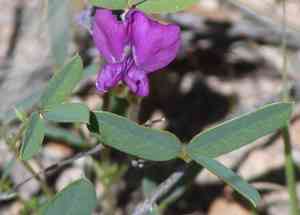
A climbing perennial that prospers in sunny environments, longleaf cologania benefits from careful trimming. Perform cuts following its flowering period, mainly in the spring and summer, to stimulate vigorous development and control excessive vine growth. Remove any frail, injured, or excessively long shoots to preserve its form and enhance air movement. This practice aids in essential revitalization, boosts its capacity to bloom, and reduces the likelihood of pest infestations. Employ clean, disinfected cutting tools to prevent the spread of pathogens during this activity.
What Are the Benefits of Pruning Longleaf Cologania?
What Are the Benefits of Pruning Longleaf Cologania?
Trimming longleaf cologania promotes robust development and maintains its desired form. This action facilitates the removal of dead or weak branches, enhancing light penetration and air circulation, both crucial for the plant's vitality and structure.
What Is the Best Time for Pruning Longleaf Cologania?
What Is the Best Time for Pruning Longleaf Cologania?
Pruning or trimming longleaf cologania during Spring and early Summer aligns with the plant's most active growth phase, which generally follows the dormancy of Winter. During this period, longleaf cologania can recover more quickly from pruning stress due to increased plant vigor and the onset of growth cycles. The removal of dead or damaged branches and shaping at this time also contributes to healthier growth patterns and prepares the plant for an upcoming flowering or fruiting season. Pruning in Spring can also help prevent disease, as cuts heal faster in warmer, moist conditions, decreasing the risk of infection. Summer pruning should be more focused on maintenance like removing any overgrowth or unwanted suckers, ensuring that the plant retains its desired shape and structure throughout its peak growing season.
What Tools Do I Need to Prune Longleaf Cologania?
Hand Pruners
For making clean cuts on smaller stems and branches of longleaf cologania, bypass pruners are recommended due to their precise cutting action, which promotes healthy regrowth.
Pruning Saws
If longleaf cologania has matured and developed thicker branches, a pruning saw is essential, as it provides the necessary strength and sharpness to cut through woodier stems without causing damage.
Loppers
For intermediate-sized branches that are too thick for hand pruners but still within reach, loppers offer an extended reach and greater leverage, making them ideal for shaping longleaf cologania without straining the gardener.
Shears
For trimming and shaping the foliage of longleaf cologania, especially if it grows densely, a pair of sharp shears will help maintain the desired form while encouraging new growth.
Gloves
When pruning longleaf cologania, wearing a pair of sturdy gloves will protect the gardener's hands from thorns or sap, which may be present on the plant.
How to Prune Longleaf Cologania
Identify
Inspect longleaf cologania thoroughly to identify diseased leaves, withered leaves, and diseased stems. Look for discoloration, spots, or signs of insect damage.
Sanitize
Before beginning to prune longleaf cologania, sanitize your pruning tools with alcohol or a bleach solution to prevent the spread of disease.
Cut diseased leaves
Using sharp, clean shears, carefully remove diseased leaves by cutting at the base of the stem, ensuring you do not damage healthy parts of longleaf cologania.
Remove withered leaves
Trim withered leaves from longleaf cologania to encourage healthy growth by cutting them off where they meet the stem or a healthy part of the leaf.
Pruning diseased stems
Cut back diseased stems on longleaf cologania to the nearest healthy joint or node, making a clean cut that is angled away from the remaining healthy stem.
Common Pruning Mistakes with Longleaf Cologania
Overpruning
Cutting back longleaf cologania too much at once can stress the plant and reduce its vitality. This can lead to weaker growth and fewer flowers.
Underpruning
Failing to prune longleaf cologania adequately can result in a leggy and overgrown plant that may not produce as many blooms and could be more susceptible to diseases.
Improper cutting
Making cuts that are too blunt, or using dull tools, can damage the stems of longleaf cologania, making the plant more susceptible to pests and diseases.
Neglecting deadheading
Not removing spent flowers from longleaf cologania can prevent the plant from producing new blooms, as it may invest energy in seed production instead.
Pruning into old wood
Cutting into the old, hard wood of longleaf cologania might not stimulate new growth since this plant typically responds better to light pruning that encourages growth from existing live stems.
Common Pruning Tips for Longleaf Cologania
Sharp tools
Use clean, sharp pruning shears to make precise cuts. This helps prevent damage to the stems of longleaf cologania and promotes faster healing.
Cutting angle
Cut at a 45-degree angle just above a leaf node or bud to encourage longleaf cologania to branch out and become fuller, whilst also preventing water from collecting on the cut surfaces, which can lead to rot.
Thinning
Thin out crowded stems to improve air circulation and light penetration throughout longleaf cologania. This helps reduce the risk of diseases and encourages more vigorous growth.
Shaping
Gently shape longleaf cologania to maintain the desired form and size. This will not only improve the appearance but also contribute to the plant's general health by removing potential stress points.
Maintenance pruning
Regularly remove dead, damaged or diseased branches from longleaf cologania to maintain plant health and vigor, and to stimulate new growth and flower production.



