How to Transplant Variableleaf collomia?
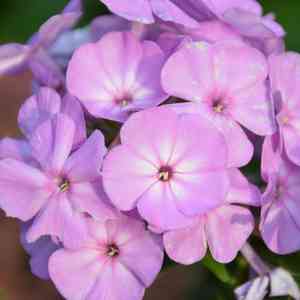
Relocate variableleaf collomia as spring commences, when moderate temperatures facilitate root development without strain. Select a bright location with effective water runoff. Handle with care to protect its fragile root system during transplantation.
What Preparations are Needed Before Transplanting Variableleaf Collomia?
What is the Ideal Time for Transplanting Variableleaf Collomia?
The perfect time for moving variableleaf collomia is once the frost has passed, promoting new growth. This period offers optimal soil warmth for root establishment. Transplanting variableleaf collomia then ensures vigorous development, aligning with its natural germination cycle. Friendly reminder: This is nature's signal for your variableleaf collomia to flourish!
How Much Space Should You Leave Between Variableleaf Collomia Plants?
Hello, gardening enthusiast! Before relocating your small variableleaf collomia plants, ensure each has its own personal area, approximately 6-8 inches (15-20 cm) apart. This will provide them with ample room to thrive and expand their foliage.
What is the Best Soil Mix for Variableleaf Collomia Transplanting?
For your variableleaf collomias, you'll want to prepare a comfortable bed of soil that drains well. A blend of loam or sandy soil would be ideal. Additionally, an initial feeding of balanced, slow-release fertilizer will help them settle in with all the necessary nutrients!
Where Should You Relocate Your Variableleaf Collomia?
Your variableleaf collomias enjoy soaking up the sun, so choose a location where they can receive at least 6 hours of direct sunlight daily. A sunny window or a bright spot in your garden is the perfect sun-filled retreat for these light-loving plants!
What Equipments Should You Prepare Before Transplantation Variableleaf Collomia?
Gardening Gloves
To safeguard your hands while handling soil and variableleaf collomia.
Shovel or Spade
For digging around and beneath variableleaf collomia to lift it with its root ball intact.
Watering Can or Hose
To hydrate variableleaf collomia before and after relocation.
Pruning Shears
To trim any damaged roots or leaves prior to transplanting variableleaf collomia.
Wheelbarrow or Plant Cart
For transporting variableleaf collomia from its original spot to the new planting location.
Garden Fork
To loosen the soil at the new site before planting.
Measuring Tape
To ensure correct spacing between the transplanted variableleaf collomias.
Stakes or Plant Supports
To keep variableleaf collomia upright if necessary after transplant.
How Do You Remove Variableleaf Collomia from the Soil?
How Do You Remove Variableleaf Collomia from the Soil?
From Ground: First, water the variableleaf collomia plant to moisten the soil, making extraction easier. Dig a generous trench around the plant using a shovel or spade to prevent damage to the root ball. Carefully pry under the root ball to lift the plant from the ground.From Pot: Water the variableleaf collomia thoroughly. Turn the pot on its side, hold the plant by its base, and tap the bottom to loosen it. Gently pull the plant out, supporting the root ball to avoid damage.From Seedling Tray: Water the seedlings to help roots slide out more easily. Use a dibber or a small tool to push the variableleaf collomia seedling up from the bottom. Once slightly raised, hold the base of the seedling and carefully remove it while supporting the root mass.
Step-by-Step Guide for Transplanting Variableleaf Collomia
Preparation
Prepare the new site beforehand by loosening the soil with a garden fork and removing any weeds or debris.
Digging Hole
Excavate a hole larger than the variableleaf collomia's root ball to allow its roots to spread easily. The depth should match the existing root ball's height.
Removing variableleaf collomia
Utilize the previously described method to extract variableleaf collomia from its initial location, whether ground, pot, or seedling tray, with minimal root disturbance.
Placing variableleaf collomia
Position variableleaf collomia in the center of the hole. The top of the root ball should be level with the surrounding soil surface.
Filling Hole
Carefully backfill the hole with the excavated soil, gently compacting it to eliminate air pockets, which could dry out roots.
Stabilizing variableleaf collomia
If variableleaf collomia is tall or unstable, insert stakes into the ground and loosely tie variableleaf collomia to them for support.
Watering
Water variableleaf collomia thoroughly after planting to settle the soil around the roots and provide essential moisture for establishment.
Mulching
If advised, apply a layer of mulch around variableleaf collomia to retain moisture and suppress weeds, keeping it away from the stem to prevent rot.
How Do You Care For Variableleaf Collomia After Transplanting?
Monitoring Growth
Regularly check variableleaf collomia's growth and look for signs of stress, such as wilted or discolored leaves, which might indicate a need for more water or adjustment of supports.
Staking
If variableleaf collomia becomes top-heavy or grows taller, add extra support using stakes and soft ties, adjusting as the plant develops.
Weeding
Remove weeds consistently around variableleaf collomia, as they can compete for nutrients and water.
Troubleshooting Common Issues with Variableleaf Collomia Transplantation.
Why is my variableleaf collomia not thriving after transplanting?
Ensure you're transplanting variableleaf collomia during the optimal period, from early to mid-spring, for the best establishment. Also, confirm that your planting site has well-draining soil and receives adequate sunlight.
What's the ideal distance between variableleaf collomia plants when transplanting?
For ample growth, space variableleaf collomia plants approximately 6-8 inches (15-20 cm) apart. This ensures sufficient room for each plant to reach its full potential without competing for resources.
How do I know if my variableleaf collomia has enough water after transplanting?
Your variableleaf collomia should be kept consistently moist but not waterlogged. After transplanting, water it deeply and then feel the soil â it should be damp but not soggy.
What should I do if variableleaf collomia's leaves are wilting post-transplant?
Wilting leaves may indicate transplant shock or water stress. Keep the soil moist and provide shade for a few days. Avoid fertilizer until the plant has fully recovered.
How can I protect variableleaf collomia from transplant shock?
Minimize root disturbance during transplanting. Water variableleaf collomia thoroughly and create a stable environment by shielding the plant from strong winds and extreme sun for the first few days.
Is there a correct soil type for transplanting variableleaf collomia?
Yes, variableleaf collomia thrives in nutrient-rich, well-draining soil. Amend heavy clay soils with organic matter to improve drainage and support healthy root development.
How deep should I plant variableleaf collomia when transplanting?
Transplant variableleaf collomia so the root ball sits just below the soil surface, matching the depth it was grown at in the pot. This helps avoid stem rot or drying out.
Can I use fertilizer immediately after transplanting variableleaf collomia?
Avoid fertilizing immediately after transplanting as it can burn young roots. Wait until you observe new growth, which indicates the plant is well established and ready for nutrients.
How do I adjust variableleaf collomia to outdoor conditions after transplanting?
Gradually acclimate variableleaf collomia to outdoor conditions over a week. Begin by placing it in a sheltered location and slowly increase exposure to sun and wind.
What pests should I look out for after transplanting variableleaf collomia?
Keep an eye out for common pests like aphids and slugs that might stress variableleaf collomia post-transplant. Use appropriate organic or chemical controls as necessary.



