How to Prune Variableleaf collomia?
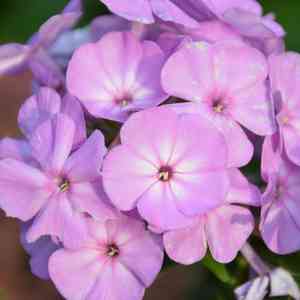
A resilient plant that prefers arid environments, variableleaf collomia flourishes with infrequent trimming. Snip off faded blossoms after flowering to promote a neat look and possible subsequent blooms. Undertaking pruning early in its developmental phaseâeither in spring or following the initial burst of summer flowersâimproves the plant's vigor. Fall upkeep ought to be gentle, concentrating on excising lifeless or ailing stalks. Strategic trimming reduces the likelihood of illness and can strengthen the subsequent season's development.
Advantages of Trimming Variableleaf Collomia
Advantages of Trimming Variableleaf Collomia
Trimming variableleaf collomia promotes more robust development by reallocating energy to healthy shoots, improving its overall form and look. This upkeep helps maintain a manageable size and fosters a strong structure.
Optimal Period for Trimming Variableleaf Collomia
Optimal Period for Trimming Variableleaf Collomia
Trimming variableleaf collomia from late Spring to early Summer coincides with its post-flowering phase, enabling gardeners to remove spent blossoms and encourage a second growth flush without disrupting the bloom cycle. Fall trimming is suitable for deadheading and shaping variableleaf collomia, preparing it for dormancy by eliminating dead or diseased foliage, which benefits the plant's overall health and vigor for the subsequent growing season. These times avoid the active growth period in early Spring and potentially stressful conditions during peak Summer heat, ensuring minimal harm and optimal recovery.
Essential Tools for Trimming Variableleaf Collomia
Bypass hand pruners
Perfect for precise cuts on variableleaf collomia's tender stems, bypass pruners ensure a clean incision that supports healthy regrowth.
Garden scissors
Suitable for snipping delicate flowers and leaves of variableleaf collomia without causing harm to the plant.
Pruning shears
Useful for shaping variableleaf collomia and removing any dead or diseased stems, ensuring clean cuts that prevent illness from spreading.
How to Trim Variableleaf Collomia
Clean tools
Utilize sanitized and sharp pruning shears to ensure a clean cut and prevent the spread of disease.
Idf withered
Locate the withered leaves on variableleaf collomia that may appear brown, dry, or visibly damaged.
Cut withered
Snip the withered leaves at their base where they connect to the stem or main branch, being careful not to harm healthy adjacent foliage.
Dispose
Discard the removed foliage away from the garden area to prevent any potential disease transmission.
Monitor plant
Regularly observe variableleaf collomia after trimming to check for any signs of stress or further wilting that may require additional attention.
Common Trimming Errors with Variableleaf Collomia
Over-pruning
Removing too much foliage from variableleaf collomia can weaken it, making it vulnerable to diseases and stunted development.
Improper cutting angle
Angled cuts that direct water towards the center of variableleaf collomia can lead to fungal issues. Cuts should instead slope away from the stem to allow water to drain.
Using dull tools
Trimming variableleaf collomia with blunt tools may result in jagged cuts that can injure the plant, making it susceptible to pests and diseases.
Pruning too close to the main stem
Cutting variableleaf collomia's branches too near the main stem can damage the bark and create entry points for pests or diseases.
Disregarding plant health
Ignoring signs of pests or disease in variableleaf collomia when trimming can worsen these problems. Always assess plant health first before proceeding.
General Trimming Advice for Variableleaf Collomia
Clean cuts
Make precise, sharp cuts on variableleaf collomia to encourage proper healing and minimize disease risk.
Prune for shape
Selective trimming of variableleaf collomia to maintain its form and encourage denser foliage should be practiced, which promotes better air circulation and light penetration.
Regular tool maintenance
Regularly maintain and sanitize trimming tools before using on variableleaf collomia to prevent disease transmission.
Remove dead or diseased material
Always remove any dead, dying, or diseased foliage from variableleaf collomia to promote healthy growth and prevent the spread of disease.
Consider plant structure
Understand variableleaf collomia's branching patterns to make informed trimming decisions that aim to enhance the plant's natural form.



