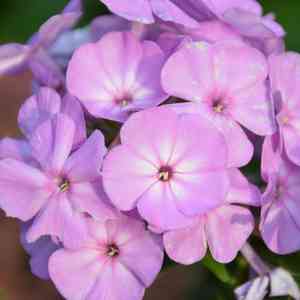
Variableleaf collomia (Collomia heterophylla)
Also known as: Many-flowered collomia
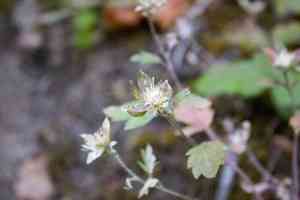
Variableleaf collomia (Collomia heterophylla) is an annual herbaceous plant reaching heights of 15 to 41 cm. Blooming from spring through summer, it features clusters of small, star-shaped flowers ranging from pinkish-white to lavender. This plant flourishes in full sun and favors rocky, well-drained sandy soils. Its foliage varies in shape, and it is commonly found in open woods, meadows, and roadside areas. Ideal growing conditions include minimal fertilization and moderate watering, making it drought-tolerant once established. Additionally, it attracts pollinators such as bees and butterflies.
In This Article
Attributes of Variableleaf collomia
Lifespan
Annual
Plant Type
Herb
Plant Height
15 cm to 41 cm
Spread
Not typically measured, as it is a low-growing plant
Leaf Color
Green
Flower Size
1-2 cm
Flower Color
Pink Purple
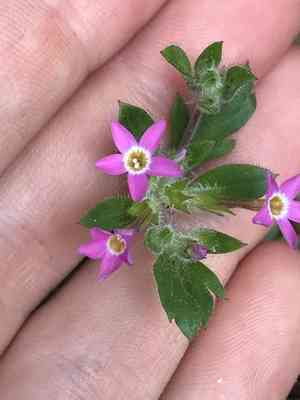
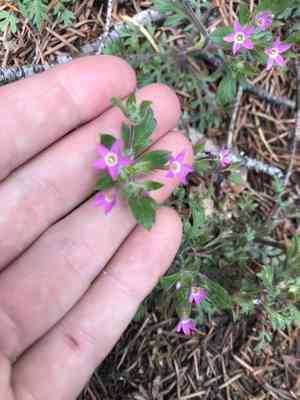
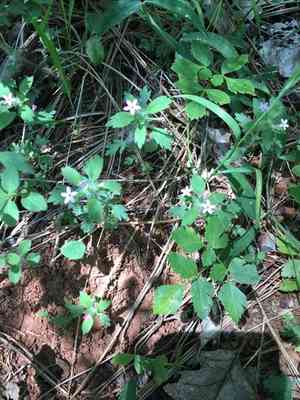
Images of Variableleaf collomia
Quickly Identify Variableleaf collomia
1
Can be identified by its distinctive clustered, trumpet-shaped flowers and its variable leaf shapes. The flowers are often pink or whitish with hints of purple or blue.
Scientific Classification of Variableleaf collomia
Phylum
Vascular plants
Class
Dicotyledons
Order
Ericales
Family
Phlox
Genus
Trumpets
Species
Variableleaf collomia
Planting and Growing of Variableleaf collomia
Care Difficulty
Easy
Watering Schedule
Every 3 days
Sunlight Requirements
Partial sun
Sunshine Duration
4-8 hours
Ideal Temperature
60-75℉
Soil Type
Potting Mix, Peat Mix
Soil pH
6.5-7.5
Fertilizer Type
Balanced
Pruning Season
Spring, Summer
Pruning Area
Branches, Leaves
Pruning Frequency
2 times a year
Repotting Season
Spring
Pot Type
Ceramic, Plastic
 How to Water Variableleaf collomia?
Water Collomia heterophylla with approximately 500 ml each time. Aim to keep the soil even and consistently moist, but not soggy. The plant enjoys a balance where moisture reaches the full root zone, without any sitting water causing root rot.
What are the symptoms of an underwatered Variableleaf collomia?
›
What should I do if my Variableleaf collomia is not getting enough water?
›
What are the symptoms of an overwatered Variableleaf collomia?
›
How to save an overwatered Variableleaf collomia?
›
 What Are the Sunlight Requirements for Variableleaf collomia?
Partial sunlight, around 4-6 hours daily, supporting healthy leaf color and compact growth by balancing energy needs.
Optimal Sunlight Duration
›
Preferred Light Intensity
›
Ideal Placement
›
 What Is the Ideal Temperature Range for Variableleaf collomia?
The ideal temperature range for cultivating Collomia heterophylla is between 60°F and 75°F. This range supports optimal growth by providing a suitable climate that mimics its natural habitat. Maintaining this temperature promotes healthy root development and foliage growth.
 What Soil is Best for Variableleaf collomia?
Collomia heterophylla thrives in well-draining soil that prevents waterlogging, allowing air to reach the roots, which is crucial for healthy growth and root development. A nutrient-rich substrate is essential for Collomia heterophylla, providing the necessary macro and micronutrients that support robust plant growth and vibrant flowering. Maintaining moderate moisture levels is important for Collomia heterophylla, as it ensures consistent hydration without drowning the roots, promoting balanced growth.
 How to Fertilize Variableleaf collomia?
For Collomia heterophylla, you should use a balanced, water-soluble fertilizer with an N-P-K ratio of 10-10-10. Begin with a half-strength solution to avoid over-fertilization. Start with 50-100 ml per plant, adjusting slightly based on plant response and needs. Note that young plants and seedlings require less fertilizer than mature ones.
 How to Prune Variableleaf collomia?
Start by identifying all dead or diseased branches. These should be the first to be removed. Sick branches can be an entry point for pests and diseases, compromising the entire plant. After clearing out dead branches, focus on shaping the plant. Aim for a balanced shape by trimming branches that cause asymmetry. Encourage outward rather than inward growth to promote better air circulation. Once you’ve completed pruning, water the plant thoroughly. This helps the plant recover from the stress of pruning and supports new growth. Consider applying a balanced fertilizer to provide nutrients that assist recovery.
More About Pruning Techniques→
 How to Propagate Variableleaf collomia plant?
1
Start with a well-draining potting mix. Mix garden soil with perlite or sand to improve drainage, which is essential for seed germination and healthy seedling development.
2
Scatter the seeds evenly on the surface of the prepared soil. Cover them lightly with a thin layer of soil to protect them from being blown away but do not bury them too deep.
3
Gently mist the soil with water using a spray bottle to keep it moist but not waterlogged. Place the seed trays in a location with bright, indirect sunlight to aid germination.
 How to Repot Variableleaf collomia plant?
1
Repotting Collomia heterophylla should be done when the plant shows signs of outgrowing its pot, such as roots poking through drainage holes or reduced growth. The best time is in spring or summer when the plant is actively growing. Look for these indicators as a sign that your plant is ready for a new home.
2
Select a pot that is slightly larger than the current one to allow for growth. Ensure it has sufficient drainage holes to prevent waterlogging and root rot. Using a pot with good drainage aids in maintaining optimal moisture levels for healthy plant development and prevents potential root diseases.
3
Opt for a well-draining potting mix containing materials like peat, perlite, and sand. Such a mix provides aeration while holding moisture effectively, promoting healthy root systems. This soil choice ensures your plant gets adequate nutrients without the risk of water retention that leads to rot.
Learn More About Variableleaf collomia Diseases
Anthracnose
Bacterial Leaf Spot
Bacterial Wilt
Chemical Injury
Damping-off
Downy Mildew
Drought Stress
Fusarium Wilt
Gray Mold
Leaf Curl
Leaf Spot
Mosaic
Nutrient Deficiency
Nutrient Toxicity
Powdery Mildew
Root Rot
Root-knot Nematode
Rusts
Sooty Mold
Spider Mites
Temperature Stress
Thrips Damage
White Mold



