How to Transplant Stoneroot?
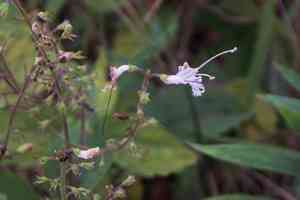
Stoneroot thrives when relocated during the peak of late spring or the beginning of summer. Select a site offering partial shade and soil that drains effectively to guarantee robust development. Sufficient hydration is vital throughout the initial settling phase.
Necessary Preparations Before Moving Stoneroot?
Optimal Period for Relocating Stoneroot?
Moving stoneroot, a perennial, is best done from late spring to early summer. This timeframe ensures warm soil, promoting strong root growth and minimizing transplant shock. Moderate temperatures help the plant establish a robust root system before intense summer heat or winter freezes.
Required Spacing Between Stoneroot Plants?
When relocating stoneroot, allow ample room for each plant to flourish by placing them 18-24 inches (45-60 cm) apart. This spacing prevents overcrowding and supports healthy development.
Best Soil Mixture for Stoneroot Relocation?
Prepare the soil for stoneroot by selecting a well-draining, loamy mixture enhanced with organic compost. Incorporating a slow-release, balanced fertilizer will provide a nutritional boost for a strong start.
Where to Replant Your Stoneroot?
Place stoneroot in an area receiving partial to full sunlight. Aim for a spot that gets at least 4-6 hours of sun daily to ensure optimal development.
Equipment to Prepare Before Stoneroot Transplantation?
Gardening Gloves
To safeguard your hands while handling soil and the plant.
Shovel or Spade
For digging and loosening soil around the plant during removal and creating the new planting hole.
Watering Can or Hose
To provide water to the plant during and after its relocation.
Wheelbarrow or Bucket
To move the plant from its original spot to the new planting site.
Mulch
To assist in retaining soil moisture post-transplantation.
Plant Labels
To mark the plant's new position and ensure correct identification.
How to Extract Stoneroot from the Ground?
How to Extract Stoneroot from the Ground?
From Ground: First, hydrate the stoneroot plant to moisten the soil. Next, dig a wide trench around the plant using a shovel or spade, ensuring the root ball remains intact. Carefully work the spade beneath the root ball to lift the plant from its initial location.From Pot: Gently water the stoneroot plant to loosen the soil. Grasp the plant's base and carefully invert the pot, tapping the bottom if necessary. Allow the plant to slide out with its root ball undisturbed.From Seedling Tray: Lightly water the stoneroot seedlings. Use a small tool like a spoon or your fingers to carefully lift each seedling, striving to keep as much of the root system intact as possible.
Step-by-Step Guide for Moving Stoneroot
Location Selection
Choose a spot with adequate sunlight and room for your stoneroot plant to reach its full size.
Ground Preparation
Dig a hole in the new location that is twice as wide and the same depth as the stoneroot plant's root ball.
Soil Amendment
Mix compost or other organic material into the excavated soil to enhance nutrient content and drainage.
Plant the stoneroot
Position the stoneroot plant in the hole at the same depth it was previously growing. Backfill the hole with the amended soil, gently pressing it down to remove air pockets.
Immediate Watering
Thoroughly water the newly planted stoneroot to help settle the soil around its roots.
Mulch Application
Spread a layer of mulch around the base of the stoneroot plant to aid in moisture retention and soil temperature regulation.
Post-Transplant Care for Stoneroot?
Watering
Keep the soil around the stoneroot consistently damp, but not waterlogged, for the initial weeks after transplanting to encourage strong root development.
Mulching
Ensure mulch is maintained around the stoneroot's base to retain moisture and inhibit weed growth.
Monitoring
Regularly inspect your stoneroot for signs of distress, such as wilting or yellowing leaves, and adjust care as needed.
Protection
If relocating to an area prone to strong winds or heavy rain, consider providing temporary support or shelter until the plant is established.
Resolving Common Issues with Stoneroot Relocation.
When should I move stoneroot?
The optimal time to move stoneroot is late spring to early summer for best growth.
What spacing is needed for stoneroot during relocation?
Space stoneroot 18-24 inches (45-60 cm) apart to ensure sufficient room for development.
What soil type is best for stoneroot?
Stoneroot thrives in well-drained soil enriched with organic matter for healthy root growth.
How deep should the planting hole be for stoneroot?
The hole should be deep enough to comfortably accommodate stoneroot's root ball, approximately 6-8 inches (15-20 cm).
How do I handle the roots when moving stoneroot?
Gently loosen the roots before planting to promote stronger growth in stoneroot's new spot.
Should I water stoneroot immediately after moving?
Yes, water stoneroot thoroughly right after relocation to reduce transplant shock and aid establishment.
Can I move stoneroot on a hot day?
Avoid moving stoneroot during extreme heat. Early morning or late afternoon is preferable.
How do I prepare the new planting site for stoneroot?
Clear the area of weeds and debris, and enrich the soil with compost before planting stoneroot.
Do I need to mulch around stoneroot after moving?
Adding a layer of mulch helps retain moisture and suppress weeds around stoneroot.
How often should I water stoneroot post-relocation?
Water stoneroot regularly, keeping the soil consistently moist but not waterlogged, especially in the first few weeks.



