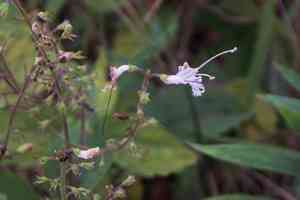
Stoneroot (Collinsonia verticillata)
Also known as: Whorled horse-balm
Stoneroot, or Collinsonia canadensis, is a perennial herb notable for its clusters of small, yellow flowers that grow around its square stems. The plant thrives in shaded, moist woodland areas, favoring rich, loamy soil often found near streams. It features large, heart-shaped leaves with serrated edges that capture filtered sunlight, and its sturdy stems can grow up to 3 feet tall. The lemony scent released when the leaves are crushed is another distinct characteristic of this herb.
In This Article
Attributes of Stoneroot
Lifespan
Perennial
Plant Type
Herb
Plant Height
30-90 cm
Spread
30-60 cm
Leaf Color
Green
Flower Size
2.5 cm
Flower Color
Yellow
Images of Stoneroot
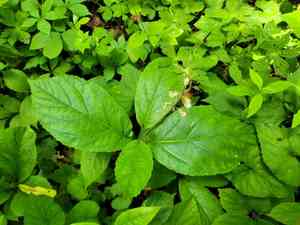
Quickly Identify Stoneroot
1
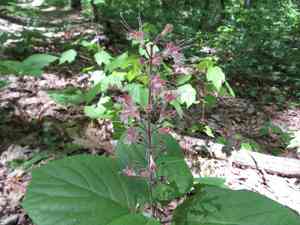
Square stems and opposite leaf arrangement typical of the mint family.
2
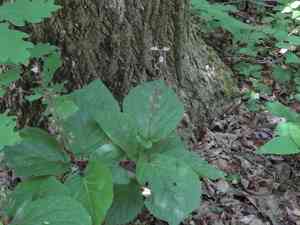
Large, broad leaves with toothed margins emitting a pleasant aroma when crushed.
3
Tiered whorls of yellow, tubular flowers in vertical inflorescence up to 3 feet (90 cm) tall.
4
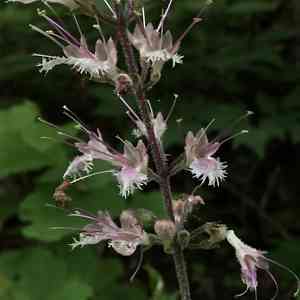
Distinct lavender to whitish-pink flowers in clusters, with fringed corolla lips.
5
Small nutlet fruits with hardened surfaces in varying shades of brown, resembling miniature nuts.
Scientific Classification of Stoneroot
Phylum
Vascular plants
Class
Dicotyledons
Order
Lamiales
Family
Mint
Genus
Horsebalms
Species
Stoneroot
Planting and Growing of Stoneroot
Care Difficulty
Easy
Watering Schedule
Every 2 days
Sunlight Requirements
Partial sun
Sunshine Duration
6-10 hours
Ideal Temperature
60-75℉
Soil Type
Potting Mix, Peat Mix
Soil pH
6.5-7.5
Fertilizer Type
Balanced
Pruning Season
Spring, Summer
Pruning Area
Branches, Leaves
Pruning Frequency
2 times a year
Repotting Season
Spring
Pot Type
Plastic, Ceramic
 How to Water Stoneroot?
For Collinsonia verticillata, it's essential to provide a moderate amount of water, around 250 ml per watering session. This plant prefers its soil to be consistently moist but not waterlogged. You should water until you notice the water gently seeping out of the drainage holes at the bottom of the pot, which indicates that the roots have been thoroughly saturated.
What are the symptoms of an underwatered Stoneroot?
›
What should I do if my Stoneroot is not getting enough water?
›
What are the symptoms of an overwatered Stoneroot?
›
How to save an overwatered Stoneroot?
›
 What Are the Sunlight Requirements for Stoneroot?
Partial to full shade is ideal for Collinsonia verticillata, fostering a balanced environment where it can thrive without the stress of overheating. Adequate shade supports healthy foliage and robust flowering.
Ideal Lighting Inquiry 1
›
Ideal Lighting Inquiry 2
›
Ideal Lighting Inquiry 3
›
 What Is the Ideal Temperature Range for Stoneroot?
The ideal temperature range for Collinsonia verticillata is between 60°F and 75°F. This range provides the optimal conditions for its growth, allowing the plant to thrive well. Maintaining this temperature range helps in ensuring that the plant receives adequate warmth for photosynthesis and nutrient uptake, while avoiding stress from high temperatures.
 What Soil is Best for Stoneroot?
Collinsonia verticillata thrives in well-drained soil, preventing waterlogging around its roots which can cause rot. Adequate drainage ensures the plant's roots receive necessary oxygen, promoting healthy growth. This plant benefits from soil rich in organic matter, providing essential nutrients that enhance growth and flowering. Organic soil improves water retention and structure, supporting the plant's stability and health. Collinsonia verticillata prefers soil that retains moderate moisture without being soggy. Consistent moisture levels prevent stress, ensuring vibrant foliage and robust health.
 How to Fertilize Stoneroot?
For Collinsonia verticillata, it's essential to use a balanced liquid fertilizer diluted to half strength, about 5 mL per liter of water. When using slow-release granules, apply around 25 grams per square meter. These amounts ensure the plant receives sufficient nutrients without overwhelming it.
 How to Prune Stoneroot?
Collinsonia verticillata benefits from regular deadheading to promote blooming. Focus on removing spent flowers and damaged stems, which enhances overall plant health and encourages bushier growth. Start pruning by cutting back about one-third of the plant's height. Always cut at an angle just above a leaf node, which will help the plant redirect energy and sprout new growth more efficiently.
More About Pruning Techniques→
 How to Propagate Stoneroot plant?
1
Collect seeds from mature Collinsonia verticillata plants at the end of the growing season. Clean and dry the seeds thoroughly. Store them in a cool, dry place until ready to plant in early spring.
2
In early spring, fill a seed tray with a seed-starting mix. Sow the seeds evenly over the surface and cover them lightly with a thin layer of soil. Water gently to keep the soil moist but not waterlogged.
3
In spring or early autumn, dig up mature plants using a garden fork. Carefully separate the root clump into smaller sections, making sure each section has a healthy root system and some top growth. Replant the divisions at the same depth they were growing before.
 How to Repot Stoneroot plant?
1
Collinsonia verticillata shows signs of needing repotting when its roots begin to outgrow the current container or penetrate through drainage holes. Additionally, a noticeable slowdown in growth or poor water retention are key indicators. Repotting during spring or summer ensures that the plant has optimal growing conditions to recover from transplant shock.
2
Select a pot that is about one or two sizes larger than the current one. The new pot should have ample drainage holes to avoid waterlogging, preventing root rot and ensuring healthy growth. Opt for a material that is breathable like terracotta, which facilitates air circulation to the roots, promoting a thriving plant environment.
3
The ideal soil mix for Collinsonia verticillata is well-draining and rich in organic matter. A blend with peat, perlite, and compost works effectively, providing balanced nutrients. Well-draining soil prevents water stagnation and encourages healthy root development, crucial for the plant's vigorous growth and resilience.
Learn More About Stoneroot Diseases
Anthracnose
Bacterial Leaf Spot
Bacterial Wilt
Crown Gall
Cyst Nematode
Damping-off
Downy Mildew
Drought Stress
Fusarium Wilt
Gray Mold
Leaf Curl
Leaf Spot
Mosaic
Nutrient Deficiency
Nutrient Toxicity
Powdery Mildew
Root Rot
Root-knot Nematode
Rusts
Sooty Mold
Spider Mites
Temperature Stress
Thrips Damage
White Mold



