How to Propagate Stoneroot?
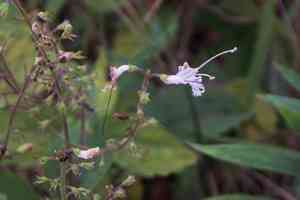
Stoneroot is a perennial plant recognized for its therapeutic attributes. Reproduction primarily occurs via seed dispersal. It flourishes in damp, adequately drained earth under conditions ranging from partial to complete shade. Sustain steady hydration without oversaturating the ground. Verify that the soil is productive, abundant in organic compounds, and mildly acidic. Position seeds barely beneath the topsoil, ensuring the vicinity remains clear of weeds and shielded from intense sunlight. After establishment, measured irrigation fosters robust development.
Optimal Time for Stoneroot Propagation
Propagation Method
Seeding
Propagation Period
Spring
Tools for Stoneroot Propagation
Seed Trays
Seed trays are vital for germinating stoneroot seeds. They offer a controlled setting for seeds to sprout and grow into young plants. These trays assist in managing moisture and ensuring even germination.
Sterile Potting Mix
A sterile potting mix is essential to prevent fungal diseases and other harmful organisms that could affect stoneroot during its initial growth. It provides a clean, nutrient-rich medium for seed sprouting.
Fine Mist Spray Bottle
A fine mist spray bottle is utilized to maintain proper moisture levels in the seed tray without disturbing the soil or stoneroot seeds. Gentle misting keeps the soil uniformly damp, which is crucial for successful germination.
Heating Mat
A heating mat supplies warmth from below to the seed trays, encouraging quicker and more consistent germination of stoneroot. Steady warmth is especially beneficial for seeds needing specific temperature ranges to sprout effectively.
Clear Plastic Covers
Clear plastic covers help create a miniature greenhouse effect by retaining moisture and warmth around the seed trays. For stoneroot, this ensures a humid and stable environment, boosting germination rates.
Labeling Stakes
Labeling stakes are necessary for tracking different plantings. By using them, gardeners can easily monitor stoneroot's progress and ensure proper identification and care throughout the propagation process.
Small Dibber
A small dibber is useful for making precise holes in the soil for planting stoneroot seeds. This tool ensures seeds are sown at the correct depth, which is vital for their successful germination and growth.
Soft Watering Can
A soft watering can with a fine rose head allows for gentle watering without washing away or disturbing stoneroot seeds. Adequate and gentle watering supports healthy germination and seedling development.
How to Propagate Stoneroot?
Propagation Type
Simple
Caring for Newly Propagated Stoneroot
Caring for Newly Propagated Stoneroot
Post-propagation, ensure stoneroot is planted in well-draining soil rich in organic matter. Water regularly, especially during dry spells, but avoid waterlogging. Apply mulch around the base to retain soil moisture and suppress weeds. Monitor for pests and diseases, and provide support for mature plants if necessary. Prune dead or damaged foliage to maintain plant health and vigor.
Common Mistakes to Avoid When Propagating Stoneroot
Incorrect Soil Moisture
Excessive watering or allowing the soil to dry out too much can be harmful to stoneroot's growth. Overwatering can lead to root rot, while insufficient moisture can hinder root establishment.
Improper Light Conditions
Providing too much direct sunlight or insufficient light can impede stoneroot's growth. This plant typically thrives in partial shade or filtered sunlight.
Poor Soil Quality
Using soil that drains poorly or is overly compacted can inhibit root growth and lead to poor propagation success. Stoneroot grows best in loose, well-draining soil.
Ignoring Pest Control
Failing to monitor for pests can result in infestations that weaken stoneroot. Common pests like aphids and spider mites can damage the plant's health.
Insufficient Space
Planting stoneroot too close together can restrict growth and lead to competition for nutrients and water. This can result in weaker, stressed plants.
Tips For Propagating Stoneroot
Use Well-Draining Soil
Ensure the soil used for stoneroot drains well to prevent waterlogging and encourage healthy root development.
Maintain Consistent Moisture
Keep the soil consistently moist but not waterlogged. Regular watering schedules can help establish strong roots without causing rot.
Provide Partial Shade
Place stoneroot in an area with partial shade or filtered sunlight to mimic its natural environment and support healthy growth.
Monitor for Pests
Regularly check stoneroot for signs of pests and take prompt action if any are found. This helps maintain the plant's health and prevents infestations from spreading.
Space Plants Adequately
Plant stoneroot with sufficient space between individuals to allow for adequate air circulation and reduce competition for resources, thereby promoting robust growth.



