How to Transplant Desert mountain blue-eyed mary?
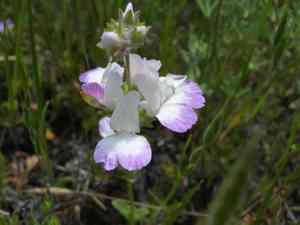
Desert mountain blue-eyed mary flourishes when relocated during the lively period of early to mid-spring, benefiting from more moderate temperatures. Select a bright location with soil that drains effectively to guarantee proper rooting. Relocation is vital for robust development and abundant flowering.
What Preparations are Needed Before Relocating Desert Mountain Blue-eyed Mary?
What is the Optimal Period for Relocating Desert Mountain Blue-eyed Mary?
Desert mountain blue-eyed mary should ideally be moved during the early to mid-spring. This timing allows the plant to benefit from moderate temperatures and increased moisture, promoting strong root development and vigorous growth. Relocating at this time enhances the plant's adaptability and overall health as it prepares for the upcoming growing season.
What Distance Should You Maintain Between Desert Mountain Blue-eyed Mary Plants?
When relocating desert mountain blue-eyed mary, position the plants approximately 6-12 inches (15-30 cm) apart. This spacing provides ample room for each plant to thrive without competing for nutrients or sunlight.
What is the Best Soil Blend for Desert Mountain Blue-eyed Mary Relocation?
Prepare well-draining soil enriched with a foundational fertilizer. Sandy or loamy soil is perfect for desert mountain blue-eyed mary. Incorporate compost to enrich the soil and ensure robust growth.
Where Should You Move Your Desert Mountain Blue-eyed Mary?
Select a sunny spot for relocating desert mountain blue-eyed mary. Full sun exposure is optimal, as it provides the necessary light for vigorous growth.
What Equipment Should You Prepare Before Relocating Desert Mountain Blue-eyed Mary?
Gardening Gloves
To safeguard your hands while handling soil and plants.
Hand Trowel
For digging and separating the plant from its original spot.
Spade or Shovel
To extract the plant from the ground and excavate a new hole.
Watering Can or Hose
To thoroughly hydrate the plant before and after relocation.
Plant Labels
To mark the position of the relocated plant if necessary.
Bucket
To temporarily hold the plant if required.
How Do You Extract Desert Mountain Blue-eyed Mary from the Soil?
How Do You Extract Desert Mountain Blue-eyed Mary from the Soil?
From Ground: First, water the desert mountain blue-eyed mary plant to moisten the soil. Next, dig a wide trench around the plant using a spade or shovel, ensuring the plant's root ball remains intact. Carefully work the spade beneath the root ball to lift the plant from its initial location.From Pot: Gently tap the sides of the pot to loosen the soil. Tilt the pot sideways and slide the desert mountain blue-eyed mary plant out, supporting the root ball with your hand.From Seedling Tray: Water the seedling tray to facilitate removal. Gently lift each desert mountain blue-eyed mary seedling by its leaves or stems, avoiding the roots, and use a hand trowel if needed.
Step-by-Step Guide for Relocating Desert Mountain Blue-eyed Mary
Site Preparation
Prepare the new planting site by digging a hole slightly larger than the desert mountain blue-eyed mary's root ball.
Root Ball Examination
Examine the root ball and gently untangle any matted roots.
Plant Positioning
Place the desert mountain blue-eyed mary in the new hole, ensuring it is at the same depth as it was in its previous spot.
Soil Backfill
Refill the hole with soil, gently pressing it down to eliminate air pockets.
How Do You Care For Desert Mountain Blue-eyed Mary After Relocation?
Watering
Keep the soil around the desert mountain blue-eyed mary consistently moist, but not waterlogged, for the initial weeks after relocation to aid in establishing strong roots.
Mulching
Apply a layer of mulch around the base of the desert mountain blue-eyed mary plant to retain moisture and suppress weeds.
Monitoring
Regularly check the plant for signs of stress, such as wilting or yellowing leaves, and take appropriate action.
Troubleshooting Common Issues with Desert Mountain Blue-eyed Mary Relocation.
When is the best time to relocate desert mountain blue-eyed mary?
The optimal time to relocate desert mountain blue-eyed mary is in early to mid-spring when temperatures are mild.
How should I prepare the soil for desert mountain blue-eyed mary?
Ensure the soil drains well and is lightly fertilized. Add compost to enrich it.
What spacing should I maintain for desert mountain blue-eyed mary relocations?
Space relocated plants 6-12 inches (15-30 cm) apart to allow for proper growth.
How do I prevent relocation shock in desert mountain blue-eyed mary?
Water immediately after relocating and provide shade for a few days if necessary.
What is the ideal relocation depth for desert mountain blue-eyed mary?
Plant desert mountain blue-eyed mary at the same depth it was growing in its original container.
How often should I water newly relocated desert mountain blue-eyed mary?
Water thoroughly after relocating, then keep soil consistently moist but not waterlogged.
What type of container is best for relocating desert mountain blue-eyed mary?
Use biodegradable pots to minimize root disturbance when relocating desert mountain blue-eyed mary.
How can I ensure desert mountain blue-eyed mary establishes well in the garden?
Mulch around the base to retain moisture and regulate temperature.
What are common pests affecting relocated desert mountain blue-eyed mary?
Watch out for aphids and slugs, which can target tender new relocations.
How do I protect desert mountain blue-eyed mary from late frost after relocating?
Cover plants with frost cloth or move containers indoors during unexpected cold nights.



