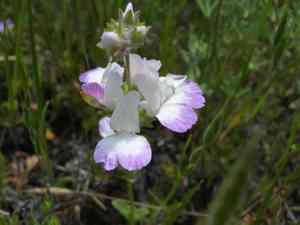
Desert mountain blue-eyed mary (Collinsia callosa)
Also known as: None
The plant you're referring to is part of the plantain family, often found on arid, rocky mountain terrain. Known as the desert mountain blue-eyed mary, this plant features robust, fleshy stems and opposite pairs of leaves that sometimes encircle the stem. Additionally, it provides a habitat for various moth and butterfly species.
In This Article
Attributes of Desert mountain blue-eyed mary
Lifespan
Annual
Plant Type
Herb
Plant Height
Approximately 10-30 cm
Spread
Typically less than 30 cm
Leaf Color
Green
Flower Size
Approximately 1-2 cm
Flower Color
Blue and white
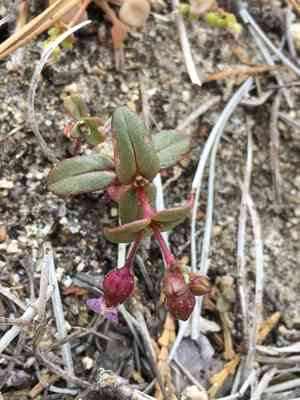
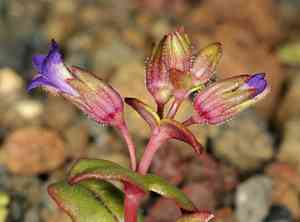
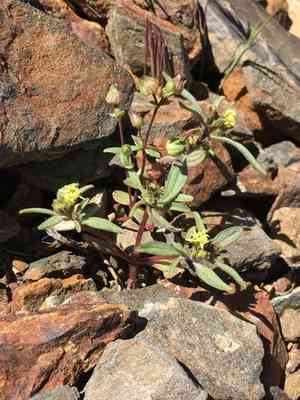
Images of Desert mountain blue-eyed mary
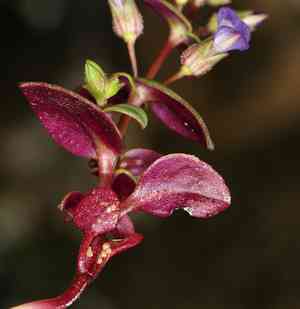
Quickly Identify Desert mountain blue-eyed mary
1
Identification of Collinsia callosa can be done by observing its distinctive bilaterally symmetrical flowers, often with a striking blue and white coloration. The leaves are usually lance-shaped and arranged oppositely along the stem.
Scientific Classification of Desert mountain blue-eyed mary
Phylum
Vascular plants
Class
Dicotyledons
Order
Lamiales
Family
Plantain
Genus
Blue eyed Marys
Species
Desert mountain blue-eyed mary
Planting and Growing of Desert mountain blue-eyed mary
Care Difficulty
Moderate
Watering Schedule
Every 2 days
Sunlight Requirements
Partial sun
Sunshine Duration
6-10 hours
Ideal Temperature
60-75℉
Soil Type
Potting Mix, Peat Mix
Soil pH
6-7.5
Fertilizer Type
Balanced
Pruning Season
Spring, Summer
Pruning Area
Branches, Leaves
Pruning Frequency
2 times a year
Repotting Season
Spring
Pot Type
Plastic, Ceramic
 How to Water Desert mountain blue-eyed mary?
Each watering session should saturate the soil without causing waterlogging. Make sure the top 2-3 centimeters of soil are moist, mimicking its natural habitat's conditions after a gentle rain.
What are the symptoms of an underwatered Desert mountain blue-eyed mary?
›
What should I do if my Desert mountain blue-eyed mary is not getting enough water?
›
What are the symptoms of an overwatered Desert mountain blue-eyed mary?
›
How to save an overwatered Desert mountain blue-eyed mary?
›
 What Are the Sunlight Requirements for Desert mountain blue-eyed mary?
Collinsia callosa thrives under partial sunlight. This ideal lighting helps the plant maintain its unique leaf patterns, vibrant color, and facilitates proper blooming. Consistent access to suitable light ensures a robust lifecycle and blooming period for the species.
What is the preferred lighting for Collinsia callosa?
›
How can I achieve the ideal lighting conditions for Collinsia callosa?
›
What are the benefits of providing ideal lighting to Collinsia callosa?
›
 What Is the Ideal Temperature Range for Desert mountain blue-eyed mary?
The ideal temperature range for growing Collinsia callosa lies between 60°F and 75°F. This range allows the plant to perform essential physiological processes effectively, promoting healthy growth and flowering. Ensuring temperatures consistently fall within this range minimizes stress and optimizes metabolic functions such as photosynthesis and respiration.
 What Soil is Best for Desert mountain blue-eyed mary?
Collinsia callosa thrives in soil that drains well, avoiding waterlogging, which can lead to root rot. This requirement ensures the plant's roots receive ample oxygen, promoting strong growth and vibrant blooms. This plant prefers soil with moderate fertility, striking a balance between nutrient-rich and poor substrates. It benefits from this by drawing sufficient nutrients for growth while not being overwhelmed by excessive fertility that could stifle root development. While drainage is key, Collinsia callosa also needs the soil to retain some moisture, ensuring the plant remains hydrated during dry spells. This dual requirement helps maintain plant health and flowering during varying weather conditions.
 How to Fertilize Desert mountain blue-eyed mary?
For Collinsia callosa, a balanced liquid fertilizer should be used at half strength. Using about half of the regular recommended dose ensures that you don't over-fertilize. Typically, this would mean using around 1 tablespoon per gallon of water.
 How to Prune Desert mountain blue-eyed mary?
Start by sterilizing your pruning shears to prevent any disease transmission. Identify dead or damaged stems and cut them back to the base. For shaping, trim overgrown branches to maintain the desired form, always cutting just above a pair of leaves to encourage bushier growth. Regularly remove spent flowers by cutting the flower stem back to the next set of leaves. This process, known as deadheading, prevents seed formation and encourages the plant to produce more blooms, prolonging the flowering period through the growing season. Thinning out the inner branches helps improve air circulation within the plant, thereby reducing the risk of fungal infections. Selectively remove some of the inner branches, choosing stems that are crossing or crowded, taking care not to over-prune.
More About Pruning Techniques→
 How to Propagate Desert mountain blue-eyed mary plant?
1
Begin by acquiring fresh Collinsia callosa seeds from a reliable source. Check the seed packet or supplier information to ensure seeds are viable for planting. Pre-soaking the seeds overnight can enhance germination rates by softening the seed coat.
2
Fill the seed tray with a well-draining, sterile seed-starting mix. Sow the seeds evenly on the surface, covering them lightly with a thin layer of soil. Maintain consistent moisture by misting the soil surface lightly every few days.
3
Once seedlings have developed their first true leaves, they are ready to be transplanted into individual pots or directly into the garden. Handle the seedlings carefully by their leaves to avoid damage to the delicate stems.
 How to Repot Desert mountain blue-eyed mary plant?
1
Repot Collinsia callosa when you notice roots emerging from the pot’s drainage holes or when growth becomes stagnant. Also, if the plant becomes top-heavy or the soil is compacted and retains water longer than usual, it's time to consider a new pot.
2
For Collinsia callosa, select a pot that is just a couple of inches larger in diameter than the current one. A pot with good drainage ensures that excess water can freely escape, preventing root rot and promoting healthy growth.
3
Opt for a well-draining, sandy-loam soil that mimics the plant’s natural habitat. This type of soil combines nutrients with excellent drainage, encouraging robust root development and preventing waterlogging.



