How to Propagate Desert mountain blue-eyed mary?
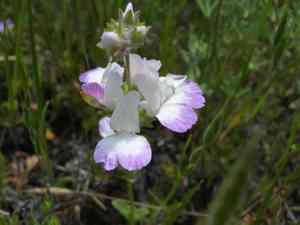
Desert mountain blue-eyed mary, a distinctive member of the Plantaginaceae family, thrives in dry mountainous regions. Effective propagation is accomplished via seeding, emphasizing the use of a porous growing medium. Distribute seeds on the surface with minimal disruption, replicating their native environment. Consistent, light irrigation promotes sprouting without eroding the substrate. Vigilance against pests and pathogens guarantees robust growth. Select a bright spot to encourage strong maturation.
When Is the Optimal Time to Propagate Desert Mountain Blue-eyed Mary?
Propagation Method
Seeding
Propagation Period
Spring
What Equipment Is Utilized in Desert Mountain Blue-eyed Mary Propagation?
Seed Trays
Seed trays offer a regulated setting for planting seeds. They assist in keeping seeds organized and simplify growth monitoring. Employing seed trays guarantees desert mountain blue-eyed mary has ideal conditions for sprouting and initial development.
Soilless Seed Starting Mix
A soilless seed starting mix is vital for providing a sterile, well-draining medium. It aids in preventing disease and fosters robust root growth in desert mountain blue-eyed mary, which is crucial for successful propagation.
Spray Bottle
A spray bottle is employed to maintain adequate moisture levels in the seed trays without disturbing the seeds. Gentle watering is important for the delicate seeds of desert mountain blue-eyed mary to avoid displacement and ensure consistent germination.
Plastic Domes
Plastic domes create a humid environment, which is beneficial for seed germination. For desert mountain blue-eyed mary, maintaining humidity levels can be particularly important to ensure the seeds do not dry out and have a higher success rate of sprouting.
Heat Mat
A heat mat can provide consistent bottom heat, which speeds up germination. For desert mountain blue-eyed mary, maintaining a warm temperature can be critical, especially if the ambient temperature is too cool for optimal germination.
Plant Labels
Plant labels help in keeping track of the seeds sown, which is useful when working with multiple species. For desert mountain blue-eyed mary, labeling ensures that the grower can accurately monitor progress and provide specific care as needed.
Tweezers
Tweezers are useful for handling small seeds with precision. The seeds of desert mountain blue-eyed mary can be quite tiny, and tweezers allow for careful placement in the seed starting mix, reducing the risk of damage or misplacing seeds.
How to Propagate Desert Mountain Blue-eyed Mary?
Propagation Type
Simple
How to Care for Your Newly Propagated Desert Mountain Blue-eyed Mary?
How to Care for Your Newly Propagated Desert Mountain Blue-eyed Mary?
Following propagation, ensure that desert mountain blue-eyed mary is planted in a sunny location with well-draining soil. Water sparingly to mimic the natural dry conditions of its native habitat. Regularly check for pests and diseases, and apply organic insecticides if necessary. Provide support for the plants if they become leggy, and consider mulching around the base to conserve moisture while keeping the roots cool.
Common Errors to Avoid When Propagating Desert Mountain Blue-eyed Mary
Overwatering
Excessive water can lead to root rot and fungal diseases, which are detrimental to desert mountain blue-eyed mary's health.
Insufficient Light
Lack of adequate sunlight can result in weak and leggy growth, hindering proper development.
Poor Soil Drainage
Using soil that doesn't drain well can retain too much moisture, causing root problems.
Inadequate Humidity
Low humidity levels can cause desiccation and poor growth in desert mountain blue-eyed mary.
Incorrect Soil Composition
Using soil that is too rich in organic matter can hold too much moisture, negatively affecting desert mountain blue-eyed mary.
Neglecting Pest Control
Failing to manage pests can lead to infestations that damage desert mountain blue-eyed mary and hinder its growth.
Tips For Propagating Desert Mountain Blue-eyed Mary
Maintain Moderate Watering
Water the plant when the top layer of soil becomes dry, ensuring the roots are moist but not waterlogged.
Provide Sufficient Light
Place desert mountain blue-eyed mary in a location where it receives plenty of indirect sunlight or dappled shade.
Ensure Good Soil Drainage
Use well-draining soil, potentially a mix of sandy and well-aerated potting mix, to prevent water retention.
Monitor Humidity Levels
Maintain moderate humidity by placing a tray of water nearby or using a humidifier if necessary.
Choose Appropriate Soil
Opt for soil that is slightly acidic to neutral, well-draining, and low in organic matter.
Regularly Inspect for Pests
Inspect desert mountain blue-eyed mary regularly for any signs of pests and treat promptly with appropriate organic or chemical treatments.



