How to Transplant Scurvy-grass?
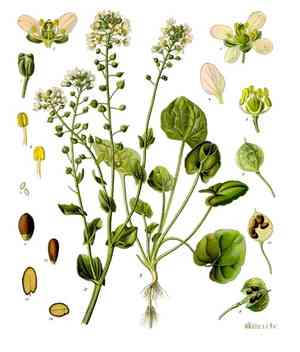
The ideal period for transplanting scurvy-grass is amidst its vigorous development from early to late spring. Choose a site featuring damp, adequately drained earth. Should it be required, incorporate organic material to enhance the area. Bear in mind, careful manipulation guarantees scurvy-grass's prosperous integration.
What Preparations are Needed Before Transplanting Scurvy-grass?
What is the Ideal Time for Transplanting Scurvy-grass?
The perfect period for relocating scurvy-grass to your garden extends from the start of early bloom season to the gentle close of late bloom season. This timeframe offers an ideal combination of extended daylight and moderate temperatures, creating optimal conditions for scurvy-grass's root development and growth. Choosing this timing allows the delicate roots to adapt and strengthen before the intensity of summer or the dormancy of winter. This favorable interval ensures scurvy-grass will thrive in your green space, establishing a foundation for vigorous growth in future seasons.
How Much Space Should You Leave Between Scurvy-grass Plants?
Hello, fellow gardener! Before moving scurvy-grass to its new spot, let's discuss spacing. These plants appreciate ample room, so aim for about 6-12 inches (15-30 cm) between each. This ensures they have enough space to flourish without overcrowding!
What is the Best Soil Mix for Scurvy-grass Transplanting?
Your scurvy-grass will thrive in soil that drains well and is somewhat loamy or sandy. Incorporate some organic compost as a foundational fertilizer â it's like a welcoming feast for your plant's roots! Just sprinkle it in before settling your plant into its new bed.
Where Should You Relocate Your Scurvy-grass?
Sunlight benefits scurvy-grass, but not excessively. Select a location where it can receive partial sunlight â gentle morning rays or filtered light are perfect. This will help your plant flourish without experiencing sunburn!
What Equipments Should You Prepare Before Transplantation Scurvy-grass?
Gardening Gloves
To safeguard your hands while handling soil and plants.
Hand Trowel
For excavating and moving the scurvy-grass during its relocation.
Watering Can
To adequately hydrate the scurvy-grass before and after its transfer.
Garden Spade
For digging out the root ball from its original spot, especially if the plant is in the ground.
Measuring Tape
To ensure correct spacing between the newly transplanted plants.
Mulch
To aid in retaining soil moisture and preventing weeds around the recently transplanted plant.
Pruning Shears
For trimming any damaged roots or foliage during the transplanting process.
How Do You Remove Scurvy-grass from the Soil?
How Do You Remove Scurvy-grass from the Soil?
From Ground: First, moisten the soil around the scurvy-grass plant. Then, use a garden spade to dig a wide trench around the plant, ensuring the root ball remains intact. Carefully work the spade beneath the root ball to lift the plant from its initial location.From Pot: Water the scurvy-grass to facilitate removal. Tilt the pot and gently tap or squeeze it to loosen the soil's grip. Then, carefully slide the plant out, making sure to support the root ball.From Seedling Tray: Water the seedlings beforehand. Use a hand trowel or your fingers to gently extract each scurvy-grass seedling from its compartment, aiming to keep as much soil attached to the roots as possible.
Step-by-Step Guide for Transplanting Scurvy-grass
Digging the Hole
Excavate a hole in the ground that is twice as wide and the same depth as the root ball of your scurvy-grass.
Root Inspection
Examine the root ball of scurvy-grass for any damaged or diseased roots and use pruning shears to carefully trim them off.
Placing the Plant
Gently position the scurvy-grass into the hole, maintaining the same depth it was growing at previously.
Backfilling
Carefully refill the hole with soil, gently firming it down around the roots of scurvy-grass to eliminate any air pockets.
Watering
Water the scurvy-grass generously after planting to settle the soil around the roots and hydrate the plant.
Mulching
Apply a layer of mulch around the base of scurvy-grass to conserve moisture and suppress weeds, ensuring no contact with the plant's stem.
How Do You Care For Scurvy-grass After Transplanting?
Regular Watering
Ensure the soil around scurvy-grass remains consistently moist to aid root establishment. Adjust frequency based on weather, but avoid overwatering.
Monitoring
Observe your scurvy-grass for indications of transplant shock, such as wilting leaves or stunted growth. With proper care, your plant should recover quickly.
Mulching
Maintain the mulch layer to conserve water and inhibit weeds without smothering scurvy-grass. Replenish as needed throughout the growing season.
Pruning
If necessary, trim any dead or yellowing leaves to encourage new growth and improve air circulation around the scurvy-grass.
Supporting
Depending on the growth habit of your scurvy-grass, you might need to provide support like stakes or trellises to ensure it grows upright and is protected from strong winds.
Troubleshooting Common Issues with Scurvy-grass Transplantation.
What's the best time of year to transplant scurvy-grass?
Relocate scurvy-grass during the optimal window between early to late spring for best outcomes.
How far apart should I space scurvy-grass when transplanting?
Allow each scurvy-grass plant ample room, 6-12 inches (15-30 cm), to promote healthy growth.
How deep should the transplant hole for scurvy-grass be?
Dig a hole as deep as the root ball; avoid burying the stem to prevent rot.
Why are my transplanted scurvy-grass plants wilting?
Wilting may indicate shock. Water thoroughly after transplanting and provide shade for a few days.
Can I transplant scurvy-grass on a hot summer day?
Transplant scurvy-grass on a cool, overcast day to minimize stress and prevent wilting.
How much should I water scurvy-grass after transplanting?
Water generously immediately after transplanting, then keep the soil consistently moist, but not waterlogged.
Should I amend the soil when transplanting scurvy-grass?
Yes, incorporate some organic compost into your soil to provide nutrients and enhance drainage.
What should I do if the leaves of transplanted scurvy-grass discolor?
Leaf discoloration can stem from transplant shock or nutrient deficiency. Ensure proper soil nutrition and moisture.
Is it necessary to prune scurvy-grass when transplanting?
Only trim damaged or dead leaves to help scurvy-grass direct energy towards root establishment.
How can I tell if scurvy-grass is suffering from transplant shock?
Signs of transplant shock include drooping, yellowing foliage, and halted growth. Maintain consistent care.



