The Scurvy-grass Plant Advantage: Maximizing Home and Office Appeal and Wellness
1
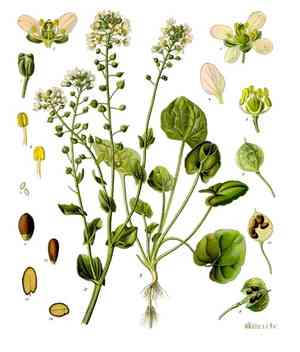
Cochlearia officinalis contains a significant amount of Vitamin C, serving as a potent antioxidant.
2
It has the ability to boost the body's defenses and combat harmful microorganisms.
3
This species thrives in salty coastal environments, contributing to its resilience and nutritional value.
What Nutrients Does Scurvy-grass Contain?
Vitamin C and Antioxidants
A key characteristic of Scurvy-grass is its exceptional vitamin C content. This positions it as a potent antioxidant, vital for neutralizing detrimental free radicals within the body. Antioxidants aid in decelerating the aging process and bolster overall health by safeguarding cells from oxidative harm. Scurvy-grass also possesses other advantageous antioxidants that collaborate to enhance cellular well-being.
Additional Nutrients
Beyond vitamin C, Scurvy-grass is abundant in crucial minerals like potassium, calcium, and magnesium. These nutrients are essential for sustaining various bodily functions, including nerve signal transmission, muscle contraction, and bone integrity. The plant also boasts high fiber levels, which supports digestive wellness and helps maintain a healthy gut microbiome.
How Does Scurvy-grass Benefit Immune Health?
Boosts Immune Function
A primary advantage of Scurvy-grass is its capacity to strengthen immune function. The elevated concentration of vitamin C plays a crucial role in fortifying the immune system. This vitamin is indispensable for producing white blood cells and improving their efficacy, thereby assisting the body in warding off infections and illnesses more effectively.
Combats Pathogens
Scurvy-grass contains compounds with germ-fighting properties, which can help combat various disease-causing agents. Regular intake of this plant may lower the risk of infections by inhibiting the proliferation of bacteria and viruses. This attribute is particularly advantageous for individuals seeking to bolster their immunity during cold and flu seasons.
What Are the Environmental Benefits of Scurvy-grass?
Growth in Saline Coastal Areas
Scurvy-grass possesses the unique capability to flourish in salty environments, such as coastal regions. This resilience makes it a valuable plant for habitats where many other flora cannot survive. Its presence helps stabilize shoreline ecosystems, preventing soil erosion and fostering biodiversity by offering a habitat for diverse wildlife species.
Contribution to Sustainable Agriculture
Since Scurvy-grass can grow in less-than-ideal soil conditions, it contributes to more environmentally friendly farming practices. Its cultivation does not necessitate extensive use of fertilizers or pesticides, making it an eco-conscious crop choice. This positions it as an excellent option for promoting sustainable farming and lessening agricultural impact on delicate coastal ecosystems.
How Can Scurvy-grass Be Incorporated into the Diet?
Culinary Uses
Scurvy-grass can be utilized in diverse culinary applications. Its leaves can be added to salads, soups, and stews, imparting a peppery taste that enhances the flavor profile of dishes. Fresh leaves can also be blended into smoothies or juiced for a nutrient-dense beverage. The adaptability of Scurvy-grass in cooking makes it simple to integrate into a daily diet.
Preservation Methods
To extend the shelf life of Scurvy-grass, it can be preserved through drying or pickling. Dried Scurvy-grass can serve as a seasoning or be steeped in teas, while pickled leaves make an excellent tangy addition to sandwiches and salads. These preservation techniques allow one to enjoy the advantages of Scurvy-grass throughout the year, irrespective of its growing period.
Why Is Scurvy-grass Popular in Traditional Medicine?
Historical Uses
Scurvy-grass has a long legacy of application in traditional medicine, especially among maritime communities. Historically, it was employed to prevent and treat scurvy, a condition stemming from a vitamin C deficiency. Sailors would consume Scurvy-grass to maintain their health during extended voyages where access to fresh produce was scarce. Its historical importance highlights its significance as a medicinal plant.
Modern Applications
In contemporary herbal medicine, Scurvy-grass is valued for its adaptogenic qualities. This implies it can assist the body in adjusting to stress and promoting internal balance. Herbalists and natural health practitioners recommend Scurvy-grass for support in managing stress, boosting vitality, and improving overall well-being. The plant remains a crucial element of natural medicine due to its wide-ranging benefits.



