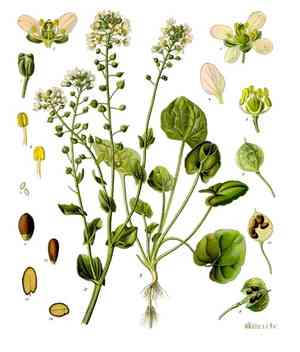
Scurvy-grass (Cochlearia officinalis)
Also known as: Scurvy Grass, Common Scurvygrass
Scurvy-grass, notably common scurvy-grass (Cochlearia officinalis), typically thrives in coastal regions such as salt marshes, sea cliffs, and mudflats around Northern and Western Europe, as well as the Arctic Circle. This plant is primarily pollinated by various insects, including bees, flies, and beetles.
In This Article
Attributes of Scurvy-grass
Lifespan
Biennial, Perennial
Plant Type
Herb
Plant Height
10 cm to 50 cm
Spread
2 cm to 5 cm
Leaf Color
Green
Flower Size
3 mm
Flower Color
White
Images of Scurvy-grass
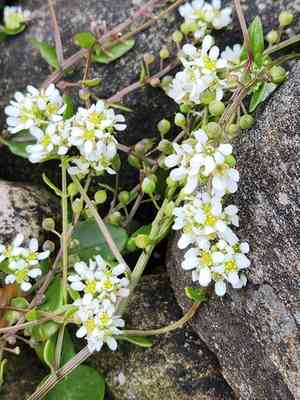
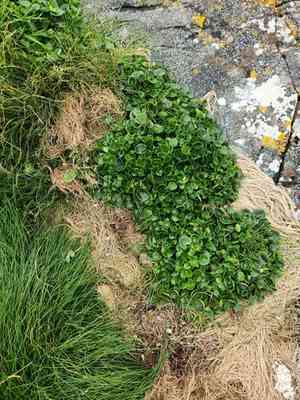
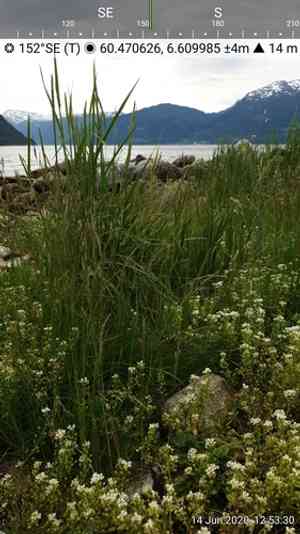
Quickly Identify Scurvy-grass
1
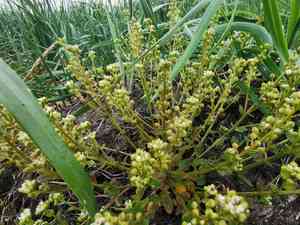
Cochlearia officinalis can be identified by its fleshy leaves which are spoon-shaped or rounded and its small, white, four-petaled flowers that bloom from late spring to early summer. The leaves are typically arranged in a basal rosette.
Scientific Classification of Scurvy-grass
Phylum
Vascular plants
Class
Dicotyledons
Order
Brassicales
Family
Cruciferae
Genus
Scurvy-grass
Species
Scurvy-grass
Planting and Growing of Scurvy-grass
Care Difficulty
Easy
Watering Schedule
Every 4 days
Sunlight Requirements
Partial sun
Sunshine Duration
6-10 hours
Ideal Temperature
50-65℉
Soil Type
Potting Mix, Peat Mix
Soil pH
6.5-7.5
Fertilizer Type
Balanced
Pruning Season
Spring, Summer
Pruning Area
Branches, Leaves
Pruning Frequency
2 times a year
Repotting Season
Spring
Pot Type
Plastic, Ceramic
 How to Water Scurvy-grass?
For Cochlearia officinalis, ensure that the soil is kept moderately moist. Water until the soil feels evenly damp and a slight amount of water begins to seep from the drainage holes. Avoid waterlogging, but don’t let the soil become bone dry.
What are the symptoms of an underwatered Scurvy-grass?
›
What should I do if my Scurvy-grass is not getting enough water?
›
What are the symptoms of an overwatered Scurvy-grass?
›
How to save an overwatered Scurvy-grass?
›
 What Are the Sunlight Requirements for Scurvy-grass?
Partial sun to full shade provides the best environment for Cochlearia officinalis. This range supports optimal photosynthesis and consistent growth, while minimizing the risks associated with direct sunlight exposure.
How much light does Cochlearia officinalis need?
›
What are the interventions to achieve ideal lighting?
›
What are the benefits of ideal lighting for Cochlearia officinalis?
›
 What Is the Ideal Temperature Range for Scurvy-grass?
For Cochlearia officinalis, maintaining an ideal temperature between 50°F and 65°F ensures optimal growth. This range facilitates essential physiological processes, allowing the plant to thrive by balancing warmth and coolness. Growth outside this window may slow down significantly or cause stress.
 What Soil is Best for Scurvy-grass?
Cochlearia officinalis thrives in well-drained soil, which prevents waterlogging that can lead to root rot. Ensuring proper drainage keeps the roots healthy and supports vigorous growth. Maintaining consistent moisture levels is critical for this plant. It benefits from soil that retains moisture without becoming soggy. This balance helps in sustaining the plant through its growth cycles. The plant appreciates soil rich in organic nutrients. Ample nutrients help boost its growth and flowering capabilities, ensuring that it remains robust throughout its life cycle.
 How to Fertilize Scurvy-grass?
Cochlearia officinalis is a delicate plant with moderate nutrition needs. To thrive, it typically requires a balanced NPK (nitrogen, phosphorus, potassium) ratio around 10-10-10. When using liquid fertilizer, a diluted solution mixed at half the usual strength is ideal, about 1 tablespoon per 1 gallon of water.
 How to Prune Scurvy-grass?
Begin by cutting away any dead or damaged leaves, which are often yellow or brown. Removing these helps the plant redirect its energy towards healthier growth. Carefully trim overgrown stems, making cuts just above where a leaf is growing. This encourages new growth and maintains a more compact and manageable plant shape. Cochlearia officinalis can be lightly shaped by trimming around the edges to create a more pleasing form. Avoid removing more than a third of the plant in one pruning session to prevent stress.
More About Pruning Techniques→
 How to Propagate Scurvy-grass plant?
1
Start by filling a seed tray with a light seed-starting mix. Sow the seeds thinly and cover them with a fine layer of soil. Maintain consistent moisture by misting regularly and cover with a plastic wrap to create a humid environment. Place the tray in a warm location with indirect sunlight and wait for germination, which typically occurs in two weeks.
2
Select healthy, disease-free stems from the parent plant. Use sterilized sharp knife or scissors to take 4-6 inch cuttings just below a node. Remove the leaves from the lower half of the cutting and dip the cut end into rooting hormone. Plant the cuttings in a pot with moist propagating mix and cover with a plastic bag to retain humidity.
3
When dividing mature plants, begin by carefully digging around the base with a garden fork. Gently lift the plant and divide the root ball into smaller sections using the fork or a sharp spade. Replant each division into prepared soil immediately, water thoroughly, and maintain soil moisture to encourage establishment.
 How to Repot Scurvy-grass plant?
1
Cochlearia officinalis needs repotting when you notice roots poking through the drainage holes, or when the plant looks top-heavy and is growing sluggishly. Repotting during the growing season ensures minimal shock and allows the plant to establish in new soil. Keep an eye on these signs, and you'll know it's time.
2
Select a pot that is only slightly larger than the current one, with ample drainage holes. Using oversized pots can lead to water retention issues. A good pot choice encourages root development without the risk of waterlogging, ensuring your Cochlearia thrives.
3
Opt for a well-draining, loamy soil mix. This type of soil supports healthy root development by balancing moisture retention and drainage. It’s also rich in nutrients, ensuring that your Cochlearia officinalis receives optimal nutrition during its growth.



