How to Transplant Monnier's snowparsley?
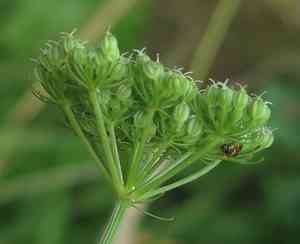
Integrate monnier's snowparsley into your landscape once temperatures rise, spanning from the initial bloom of spring through the energetic peak of summer, guaranteeing its prosperity in a sun-drenched location with soil that drains effectively. This precise timing ensures monnier's snowparsley takes root effortlessly, leveraging the season's developmental capacity.
What Preparations are Needed Before Transplanting Monnier's Snowparsley?
What is the Ideal Time for Transplanting Monnier's Snowparsley?
The optimal period for relocating monnier's snowparsley spans from late spring through early summer's active growth phase. Moving monnier's snowparsley during this lush season ensures maximum root establishment prior to winter, fostering a strong foundation for development. This timing capitalizes on longer days and moderate temperatures, aiding recovery and root growth for a thriving garden presence.
How Much Space Should You Leave Between Monnier's Snowparsley Plants?
When preparing to rehome your monnier's snowparsley, remember they appreciate ample room. Aim to position them approximately 12-15 inches (30-38 cm) apart. This spacing allows them sufficient area to expand and flourish effectively!
What is the Best Soil Mix for Monnier's Snowparsley Transplanting?
Before settling your monnier's snowparsley into the ground, proper soil preparation is crucial. They thrive in well-draining soil enriched with organic matter. Incorporate a balanced, slow-release fertilizer to give your plants a healthy start. This step is fundamental, much like laying the groundwork before construction!
Where Should You Relocate Your Monnier's Snowparsley?
Finding the perfect sunny spot for your monnier's snowparsley is like selecting an ideal sun-drenched beach location! These plants prefer full to partial sunlight, so position them where they will receive at least 6 hours of light daily. This will keep your monnier's snowparsley content and photosynthesizing efficiently.
What Equipments Should You Prepare Before Transplantation Monnier's Snowparsley?
Gardening Gloves
To safeguard your hands while handling soil and the plant.
Spade or Shovel
For digging around and beneath the monnier's snowparsley plant during removal.
Gardening Fork
Useful for loosening soil around the plant without severing too many roots.
Watering Can or Hose
To hydrate the monnier's snowparsley plant both before and after relocation.
Pruning Shears
For trimming any dead or excess foliage to minimize transplant shock.
Wheelbarrow or Garden Cart
To move the monnier's snowparsley from its original spot to the new site.
Transplanting Trowel
For more precise work when planting monnier's snowparsley in its new position.
How Do You Remove Monnier's Snowparsley from the Soil?
How Do You Remove Monnier's Snowparsley from the Soil?
From Ground: Hydrate the monnier's snowparsley plant to moisten the soil, facilitating easier removal without root damage. Use a spade or shovel to dig a wide circle around the plant, ensuring not to cut into the root ball. Gently clear soil from the roots with a gardening fork or your hands. Carefully lift the plant and root ball from the ground, retaining as much soil with the roots as possible.From Pot: Water the monnier's snowparsley and allow it to sit briefly for water to penetrate and loosen the soil. Place your hand over the pot's top, with the plant stem between your fingers, and invert it to extract the plant. Tap the pot's rim on a firm surface if it doesn't slide out easily, or loosen the soil around the edge with a trowel.From Seedling Tray: Water the tray to ensure the soil is damp and seedlings are hydrated before transplanting. Use a transplanting trowel or a dibber to gently lift each seedling by pushing up from the cell's bottom.
Step-by-Step Guide for Transplanting Monnier's Snowparsley
Prepare the New Location
Excavate a hole in the ground where you intend to transplant the monnier's snowparsley, ensuring it's as deep as the root ball and twice its width.
Inspect the Roots
Before placing monnier's snowparsley in its new home, examine the root ball. Trim any damaged roots with pruning shears, but be gentle and preserve as much of the root structure as possible.
Position monnier's snowparsley
Place monnier's snowparsley in the center of the hole. The top of the root ball should be level with or slightly above the surrounding soil.
Fill the Hole
Carefully backfill the hole around the root ball with soil, gently patting it down to eliminate air pockets.
Water Thoroughly
Water monnier's snowparsley generously after planting to settle the soil around the roots and hydrate the plant.
How Do You Care For Monnier's Snowparsley After Transplanting?
Support
If needed, provide supports like stakes or ties to help the monnier's snowparsley remain upright and grow correctly.
Mulching
Apply a layer of mulch around the base of monnier's snowparsley, leaving some space around the stem, to help retain moisture and deter weeds.
Monitoring Growth
Observe the monnier's snowparsley's growth and health, looking for signs of transplant shock such as wilting or discolored leaves, and respond appropriately.
Pruning
Prune any stressed or excessive growth to encourage the development of a strong, healthy plant.
Troubleshooting Common Issues with Monnier's Snowparsley Transplantation.
What's the best time to transplant monnier's snowparsley?
Relocate monnier's snowparsley during the optimal period, typically from mid-spring to early summer, for superior outcomes.
How far apart should I space monnier's snowparsley when transplanting?
Aim for adequate spacing between plants, about 12-15 inches (30-38 cm) apart, to allow for ample growth.
What soil conditions favor monnier's snowparsley after transplanting?
Select well-draining, fertile soil as a comfortable new environment for monnier's snowparsley to promote robust root development.
How much should I water monnier's snowparsley after transplanting?
Post-transplant, maintain consistently moist but not waterlogged soil to help monnier's snowparsley establish itself well.
Should I fertilize monnier's snowparsley during transplanting?
A light application of balanced fertilizer can provide monnier's snowparsley with a gentle boost of nutrients to thrive in its new location.
What sunlight conditions are ideal for transplanted monnier's snowparsley?
Position monnier's snowparsley in a spot where it can enjoy full sun to partial shade, as it appreciates sunny periods with some relief.
How do I handle monnier's snowparsley's roots when transplanting?
Handle monnier's snowparsley's roots with care, gently separating them if pot-bound, for a smooth transition to the garden bed.
Can I transplant monnier's snowparsley on a hot day?
Avoid the intense midday heat for transplanting monnier's snowparsley. Choose a cooler time or an overcast day to prevent plant stress.
What's the ideal depth for transplanting monnier's snowparsley?
Dig a suitable hole for monnier's snowparsley, just deep enough so the crown sits at soil level, to ensure proper growth.
How can I protect monnier's snowparsley after transplanting?
Provide some shade or wind protection immediately after transplanting, and mulch around monnier's snowparsley to retain moisture and warmth.



