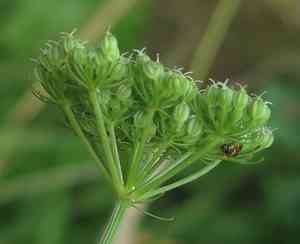
Monnier's snowparsley (Cnidium monnieri)
Also known as: Shepherd's Purse, Small Cnidium, Monnier Fennel
Monnier's snowparsley (Cnidium monnieri) is a perennial that typically flowers from late spring through summer, showcasing clusters of small white blooms. Post-blooming, seeds mature from summer into autumn. For optimal growth, it prefers locations with full sun to partial shade and thrives in moist, well-drained soil.
In This Article
Attributes of Monnier's snowparsley
Lifespan
Annual, Perennial
Plant Type
Herb
Plant Height
10 cm to 60 cm
Spread
10-30 cm
Leaf Color
Green
Flower Size
3 cm to 5 cm
Flower Color
White
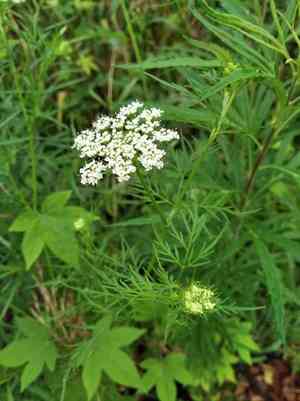
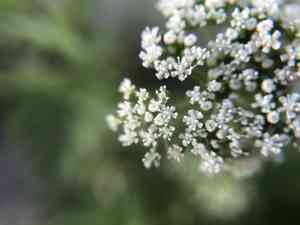
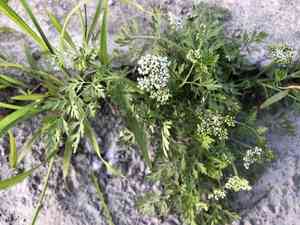
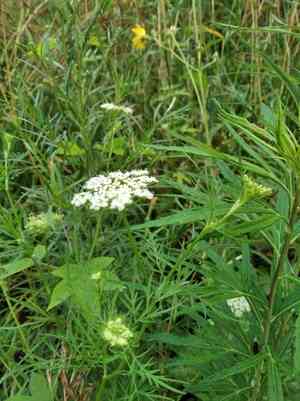
Images of Monnier's snowparsley
Quickly Identify Monnier's snowparsley
1
Cnidium monnieri can be identified by its small white flowers arranged in compound umbels, finely divided pinnate leaves, and ribbed, oval-shaped seeds. It typically grows in moist habitats.
Scientific Classification of Monnier's snowparsley
Phylum
Vascular plants
Class
Dicotyledons
Order
Apiales
Family
Umbellifers
Genus
cnidium
Species
Monnier's snowparsley
Planting and Growing of Monnier's snowparsley
Care Difficulty
Easy
Watering Schedule
Every 4 days
Sunlight Requirements
Full sun
Sunshine Duration
6-12 hours
Ideal Temperature
60-75℉
Soil Type
Potting Mix, Peat Mix
Soil pH
6-7.5
Fertilizer Type
Balanced
Pruning Season
Spring, Summer
Pruning Area
Branches, Leaves
Pruning Frequency
2 times a year
Repotting Season
Spring
Pot Type
Plastic, Terracotta
 How to Water Monnier's snowparsley?
For Cnidium monnieri, ensure the soil is kept consistently moist, but not waterlogged. Aim to provide approximately 250 milliliters of water per session, just enough to moisten the top layer of the soil without excess water accumulating at the bottom of the pot.
What are the symptoms of an underwatered Monnier's snowparsley?
›
What should I do if my Monnier's snowparsley is not getting enough water?
›
What are the symptoms of an overwatered Monnier's snowparsley?
›
How to save an overwatered Monnier's snowparsley?
›
 What Are the Sunlight Requirements for Monnier's snowparsley?
Cnidium monnieri does best under full to partial sun conditions, enjoying the morning sun with a preference for at least six hours of exposure. Proper lighting enhances growth and medicinal qualities.
Optimal Sunlight Amount
›
Best Location for Growth
›
Benefits of Ideal Lighting
›
 What Is the Ideal Temperature Range for Monnier's snowparsley?
Cnidium monnieri thrives best in an environment with temperatures ranging from 60 to 75 degrees Fahrenheit. This range ensures optimal metabolic functions, leading to healthy growth and vibrant foliage.
 What Soil is Best for Monnier's snowparsley?
Cnidium monnieri thrives best in well-drained soil as it prevents root rot and ensures oxygen reaches the roots. This is crucial for healthy plant growth and flower production. Moderate nutrient levels help Cnidium monnieri develop strong foliage and vibrant flowers. Balanced nutrients promote lush growth and overall plant vitality. While drainage is important, the soil should retain enough moisture to keep the plant hydrated. This balance aids in maintaining turgor pressure and prevents wilting.
 How to Fertilize Monnier's snowparsley?
Cnidium monnieri typically requires a moderate amount of fertilizer. It benefits from a balance of nitrogen, phosphorus, and potassium, ensuring its growth and vigor. For liquid fertilizers, a dilution rate of 1/4 strength of the recommended dose is ideal, applied every two weeks during the growth season.
 How to Prune Monnier's snowparsley?
Begin by identifying dead or diseased stems and leaves. These should be the first to go, as they can harbor pests or diseases harmful to the plant. To make the plant bushier, trim stems back to just above a pair of leaves. This technique encourages the plant to send out new shoots from below the cut. Shape the plant by trimming the overall canopy to maintain a desired aesthetic or form. This not only improves appearance but also ensures even sunlight distribution.
More About Pruning Techniques→
 How to Propagate Monnier's snowparsley plant?
1
Begin by collecting seeds from mature Cnidium monnieri plants. Clean and dry them thoroughly to remove any moisture that can cause mold. Store them in a cool, dry place until ready for sowing to preserve viability.
2
Fill a seed tray with a mix of potting soil and perlite for good drainage. Press seeds gently into the soil and lightly cover them. Keep the tray in a warm location with indirect sunlight and maintain soil moisture by misting.
3
Choose healthy stems from the parent plant and cut 4 to 6-inch sections using pruning shears. Remove the lower leaves and dip the cut end into a rooting hormone to encourage root development.
 How to Repot Monnier's snowparsley plant?
1
Cnidium monnieri signals its need for repotting when you notice roots emerging from the drainage holes. Additionally, if its growth has slowed despite optimal care conditions or if the potting soil no longer retains moisture effectively, it’s time to consider repotting. Early spring or summer are ideal, as the plant begins its active growth phase during this time, allowing it to recover more swiftly.
2
Select a pot that is 1-2 inches larger than the current one to give the roots ample space for growth. Ensure the pot has adequate drainage holes to avoid waterlogging, which can lead to root rot. Opting for a terracotta pot can further help by naturally wicking away excess moisture, which benefits Cnidium monnieri's preference for well-aerated soil conditions.
3
Choose a well-draining potting mix, ideally enriched with perlite or sand to improve aeration. This type of soil not only provides necessary drainage but also offers the structure and nutrients that Cnidium monnieri thrives on. Well-draining soil prevents the roots from sitting in excess water, subsequently reducing the risk of fungal diseases and promoting healthy growth.
Learn More About Monnier's snowparsley Diseases
Anthracnose
Bacterial Leaf Spot
Bacterial Soft Rot
Bacterial Wilt
Chemical Injury
Damping-off
Downy Mildew
Drought Stress
Fusarium Wilt
Gray Mold
Leaf Spot
Mosaic
Nutrient Deficiency
Nutrient Toxicity
Powdery Mildew
Root Rot
Root-knot Nematode
Rusts
Sooty Mold
Spider Mites
Temperature Stress
Thrips Damage
White Mold



