How to Prune Monnier's snowparsley?
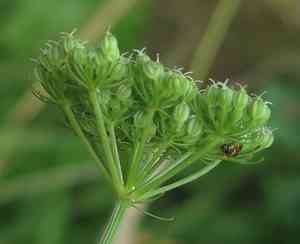
Monnier's snowparsley, a perennial herb recognized for its white flower clusters, flourishes with consistent trimming. Cut away faded blossoms and eliminate deceased leaves to foster denser growth and extend its flowering period. The most effective time for pruning is in Spring, Summer, or early Fall, coinciding with its vigorous growth stages. Deliberate cuts can additionally stimulate root formation. Trimming not only preserves the plant's form but also amplifies its therapeutic strength, a significant advantage of appropriate upkeep.
What Are the Benefits of Pruning Monnier's Snowparsley?
What Are the Benefits of Pruning Monnier's Snowparsley?
Trimming monnier's snowparsley promotes more robust development and helps maintain its desired form. This not only contributes to a strong structure but also ensures the plant remains visually appealing in the garden.
What Is the Best Time for Pruning Monnier's Snowparsley?
What Is the Best Time for Pruning Monnier's Snowparsley?
Trimming monnier's snowparsley in Spring coincides with the start of its active growth, allowing it to recover swiftly and direct energy to new shoots. This period, right after the final frost, enables the removal of any winter damage before new leaves appear. Pruning in Fall, post-flowering, aids in preserving plant structure and health. It also lowers the chance of fungal infections, as drier weather helps cuts heal faster. Summer is not advised for extensive pruning since monnier's snowparsley is actively growing and can be stressed by high temperatures and excessive trimming.
What Tools Do I Need to Prune Monnier's Snowparsley?
Bypass Pruners
Perfect for making clean cuts on monnier's snowparsley, bypass pruners ensure stems are severed neatly without causing undue harm to the plant's delicate tissues.
Hand Shears
Suitable for shaping and trimming monnier's snowparsley as they grow and spread. Hand shears offer control and precision for maintaining the plant's overall look.
Small Gardening Scissors
These are ideal for snipping thin, delicate stems of monnier's snowparsley without disturbing the surrounding foliage.
Gloves
As gardening involves direct contact, wearing gloves can shield the gardener from thorns, sharp stems, or any potential skin irritants monnier's snowparsley might possess.
How to Prune Monnier's Snowparsley
Identify
Thoroughly inspect monnier's snowparsley to locate all withered or yellowing leaves that may indicate age or disease.
Disinfect
Before cutting, sanitize your pruning shears with alcohol or a bleach solution to prevent disease transmission between plants.
Cut
Carefully snip off the withered leaves at their base, near the main stem of monnier's snowparsley, ensuring not to harm new growth or healthy tissue.
Clean up
Remove all trimmed material from around the base of monnier's snowparsley to prevent rot and deter pests.
Monitor
Regularly observe monnier's snowparsley after pruning for any signs of new wilting or disease, and repeat the pruning process as needed.
Common Pruning Mistakes with Monnier's Snowparsley
Over pruning
Removing too much foliage at once can stress monnier's snowparsley, reducing its ability to photosynthesize and weakening it, which may attract pests or diseases.
Improper cutting technique
Making jagged or torn cuts can damage monnier's snowparsley's stems, creating entry points for disease and hindering the plant’s natural healing process.
Neglecting tool sanitization
Using unclean tools can spread pathogens to monnier's snowparsley, potentially introducing infections that compromise plant health.
Pruning without a plan
Random and unplanned cuts can lead to uneven growth, poor plant shape, and an unsatisfactory display of its ornamental features.
Ignoring diseased or dead material
Failing to remove dead or diseased foliage and stems can impede monnier's snowparsley's growth and allow for the spread of disease within the plant.
Disregarding growth habit
Pruning without considering monnier's snowparsley's natural growth habit can disrupt its development cycle and potentially reduce the plant's vigor and bloom potential.
Common Pruning Tips for Monnier's Snowparsley
Sharp clean cuts
Use sharp, sanitized pruning tools to make clean cuts on monnier's snowparsley that heal quickly and minimize disease risk.
Strategic pruning
Focus on thinning out dense areas to improve air circulation around monnier's snowparsley, which can lessen the likelihood of fungal diseases.
Conservative approach
Prune monnier's snowparsley sparingly, removing only what is necessary to shape the plant or to eliminate dead or diseased foliage, to avoid overstressing it.
Knowledge of plant structure
Understand monnier's snowparsley's growth pattern to make informed pruning decisions that support its natural shape and flowering habit.
Targeted pruning
Identify and selectively prune only the weaker or less productive stems of monnier's snowparsley to encourage more vigorous growth and better resource allocation.
Post-pruning care
Provide monnier's snowparsley with adequate water, nutrients, and monitor for signs of stress after pruning to support recovery and robust growth.



