How to Transplant Philippine pigeonwings?
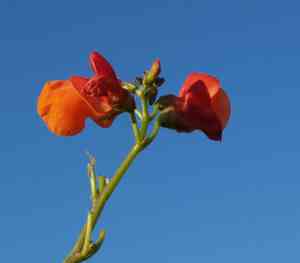
Relocate philippine pigeonwings at the beginning of spring, a period of revitalization, since this timeframe fosters strong root growth. Select a bright location featuring soil that drains effectively. Careful handling is crucial to prevent root trauma.
What Preparations are Needed Before Transplanting Philippine Pigeonwings?
What is the Ideal Time for Transplanting Philippine Pigeonwings?
The best time to move your philippine pigeonwings is from late winter's end to mid-spring's gentle warmth. This period offers a perfect blend of mild temperatures and the start of a strong growth cycle, allowing philippine pigeonwings plenty of time to establish roots before summer's heat. Moving them during this phase means your philippine pigeonwings benefits from cooler, moister soil, reducing initial shock and boosting root development for vigorous, healthy growth.
How Much Space Should You Leave Between Philippine Pigeonwings Plants?
Hello! Before placing your philippine pigeonwings in their new spot, ensure they have ample room to thrive. Aim for a spacing of approximately 2-3 feet â which is about 60-90 cm. This spacing allows each philippine pigeonwings sufficient area for leaf and root expansion.
What is the Best Soil Mix for Philippine Pigeonwings Transplanting?
To give your philippine pigeonwings the best start, incorporate organic compost into your garden soil. A well-draining, loamy soil will keep them happiest. For nutrients, a balanced, slow-release fertilizer will ensure your philippine pigeonwings's success. Simply follow the label instructions for the correct dosage.
Where Should You Relocate Your Philippine Pigeonwings?
Your philippine pigeonwings thrives in sunlight! Select a garden location that receives full to partial sun. This means at least 6-8 hours of direct sunlight daily. If your area offers a mix of sun and shade, that's perfectly suited for your philippine pigeonwings.
What Equipments Should You Prepare Before Transplantation Philippine Pigeonwings?
Gardening Gloves
To safeguard your hands while handling soil and plants.
Shovel or Spade
For excavating the plant and preparing the new planting site.
Watering Can or Hose
To hydrate the plant before and after its relocation.
Measuring Tape
To ensure appropriate spacing between individual plants.
Wheelbarrow or Garden Cart
For moving the plant and soil efficiently.
Pruning Shears
To trim the plant as needed.
How Do You Remove Philippine Pigeonwings from the Soil?
How Do You Remove Philippine Pigeonwings from the Soil?
From Ground: First, thoroughly water the philippine pigeonwings plant the day before to make removal easier and prevent root damage. Using a shovel or spade, carefully dig around the plant, maintaining a wide perimeter to avoid cutting roots. Loosen the soil and lift the plant, keeping as much of the root ball intact as possible.From Pot: Tip the pot sideways and gently tap its base to loosen the philippine pigeonwings. Grasp the plant's base and carefully slide it out. If the plant is root-bound, gently separate the roots without causing undue stress.From Seedling Tray: Water the philippine pigeonwings seedlings to moisten the soil, aiding in easier removal. Gently push the plant up from the cell's bottom, holding the stem's base, not the leaves, to prevent harm.
Step-by-Step Guide for Transplanting Philippine Pigeonwings
Prepare New Location
Dig a hole in the ground that is twice the width of the philippine pigeonwings plant's root ball and of equal depth, ensuring the plant is transplanted at its original growing level. Loosen the surrounding soil to facilitate easy root growth.
Transplant Carefully
Gently place the philippine pigeonwings into the new hole, positioning the top of the root ball flush with the soil surface. Backfill around the root ball with soil, avoiding compaction, to allow for proper drainage and root penetration.
Water Immediately
Thoroughly water the philippine pigeonwings after planting to settle the soil around the roots and eliminate air pockets. Apply water to the plant's base, avoiding wetting the foliage to minimize the risk of fungal diseases.
Support If Necessary
If the philippine pigeonwings plant is tall or appears unstable, insert a stake next to it and loosely secure the plant to the stake with garden twine for support.
How Do You Care For Philippine Pigeonwings After Transplanting?
Watering Consistency
Maintain consistent soil moisture by watering the philippine pigeonwings when the soil feels dry to the touch. Avoid letting the soil completely dry out, but also prevent overwatering. Observe the plant's response to guide your watering schedule.
Mulching
Apply a 2 to 3-inch layer of organic mulch around the base of the philippine pigeonwings, keeping it away from the stem, to help retain soil moisture and regulate temperature. Mulch also enriches the soil as it decomposes and suppresses weed growth.
Monitoring
Watch for any signs of stress or disease in the philippine pigeonwings plant and address them promptly with appropriate care. Common indicators include wilting leaves, discoloration, and stunted development.
Gentle Fertilizing
A few weeks after transplanting, once the philippine pigeonwings shows signs of new growth and appears settled, you may begin applying a mild, balanced fertilizer to promote vigorous health and blooming.
Troubleshooting Common Issues with Philippine Pigeonwings Transplantation.
When is the best time to transplant philippine pigeonwings?
The optimal period for moving philippine pigeonwings is early to late spring, utilizing mild weather for root establishment.
How far apart should I plant philippine pigeonwings?
Space philippine pigeonwings approximately 2-3 feet (60-90 cm) apart to ensure ample room for their growth.
Why are my philippine pigeonwings's leaves wilting after transplant?
Post-transplant wilting can indicate shock. Ensure careful handling, adequate watering, and initial protection from intense sunlight.
How do I prepare the soil for philippine pigeonwings before transplanting?
Enrich the soil with organic matter and ensure good drainage; a healthy philippine pigeonwings thrives in fertile ground.
How deep should the planting hole be for philippine pigeonwings?
The hole should match the root ball's depth and be twice its width, roughly 10 inches (25 cm) deep to accommodate philippine pigeonwings's roots.
Can I transplant philippine pigeonwings during summer or fall?
Transplanting philippine pigeonwings in summer or fall is not ideal; spring promotes optimal root development and less stress.
My philippine pigeonwings isn't thriving post-transplant, what am I doing wrong?
Verify sufficient sunlight, water, and protection from harsh conditions. Patience and proper care are often crucial.
Should I prune philippine pigeonwings when transplanting?
Light pruning can be beneficial; trimming back a third can encourage new growth and reduce strain on the roots.
How often should I water philippine pigeonwings after transplanting?
Keep the soil consistently moist but not waterlogged, gradually returning to normal watering as the philippine pigeonwings establishes itself.
What should I do if the philippine pigeonwings's leaves turn yellow after transplanting?
Yellow leaves might indicate overwatering or nutrient deficiency. Allow the soil to dry slightly between waterings and consider a balanced fertilizer.



