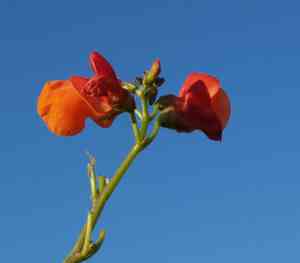
Philippine pigeonwings (Clitoria fairchildiana)
Also known as: Orchid tree
The Philippine pigeonwings, a perennial herbaceous plant originally from South America, produces edible flowers often used as natural colorants in desserts. The specific epithet 'fairchidiana' honors the American botanist David Grandison Fairchild.
In This Article
Attributes of Philippine pigeonwings
Lifespan
Perennial
Plant Type
Tree
Plant Height
3.5 m to 9 m
Spread
10-12 meters
Leaf Color
Green
Flower Size
8 cm to 10 cm
Flower Color
Purple
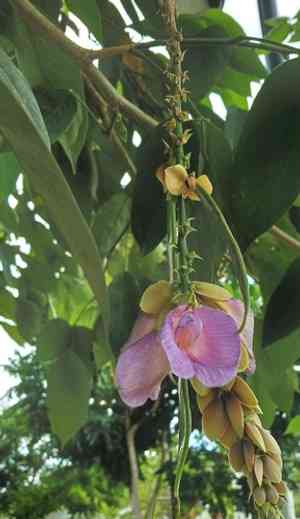
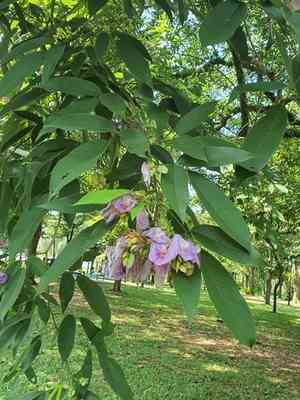
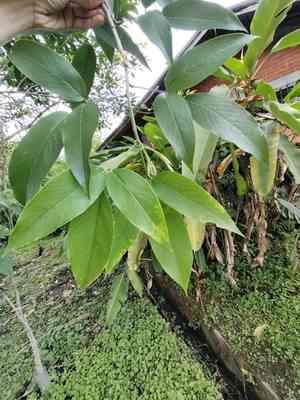
Images of Philippine pigeonwings
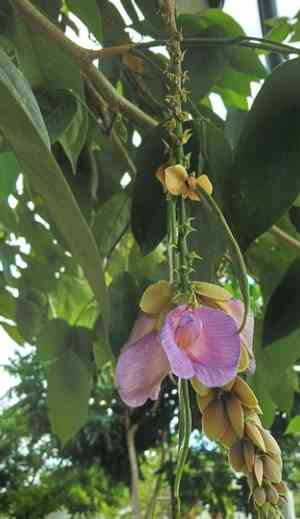
Quickly Identify Philippine pigeonwings
1
Identify Clitoria fairchildiana by its large, trumpet-shaped flowers which are usually blue or purple. The tree grows quickly and has a sprawling form with pinnate leaves.
Scientific Classification of Philippine pigeonwings
Phylum
Vascular plants
Class
Dicotyledons
Order
Fabales
Family
Legume
Genus
Pigeonwings
Species
Philippine pigeonwings
Planting and Growing of Philippine pigeonwings
Care Difficulty
Easy
Watering Schedule
Every 3 days
Sunlight Requirements
Full sun
Sunshine Duration
4-8 hours
Ideal Temperature
65-80℉
Soil Type
Potting Mix, Peat Mix
Soil pH
6.5-7.5
Fertilizer Type
Balanced
Pruning Season
Spring, Summer
Pruning Area
Branches, Leaves
Pruning Frequency
2 times a year
Repotting Season
Spring
Pot Type
Plastic, Terracotta
 How to Water Philippine pigeonwings?
For Clitoria fairchildiana, the watering should ensure the soil is thoroughly moist but not waterlogged. Ensure the water reaches the root level, usually requiring about 1500 ml per session, depending on the size of the plant and drainage.
What are the symptoms of an underwatered Philippine pigeonwings?
›
What should I do if my Philippine pigeonwings is not getting enough water?
›
What are the symptoms of an overwatered Philippine pigeonwings?
›
How to save an overwatered Philippine pigeonwings?
›
 What Are the Sunlight Requirements for Philippine pigeonwings?
Partial to full sun exposure is ideal, optimizing flowering and growth. Access to consistent sunlight boosts Clitoria fairchildiana's vibrant display and sustains its health and vitality.
What type of sunlight does Clitoria fairchildiana prefer?
›
How can I achieve the ideal lighting conditions for Clitoria fairchildiana?
›
What are the benefits of Clitoria fairchildiana receiving ideal sunlight?
›
 What Is the Ideal Temperature Range for Philippine pigeonwings?
For optimal growth, Clitoria fairchildiana thrives best within a temperature range of 65 to 80°F. Maintaining the plant in this range ensures proper physiological processes, promoting healthy development and flower production.
 What Soil is Best for Philippine pigeonwings?
Clitoria fairchildiana thrives best in nutrient-rich soil that provides essential minerals. The abundance of nutrients supports robust growth and vibrant flowering. Properly feeding the plant results in enhanced aesthetic appeal and overall health. The plant requires well-draining soil to prevent water stagnation, which can lead to root rot. Ensuring good drainage helps in maintaining soil aeration and optimal root development, thereby promoting a healthy and vigorous plant. Although it requires drainage, Clitoria fairchildiana also benefits from soil that retains moisture well. Maintaining adequate soil moisture ensures that the plant is not stressed during dry periods and can sustain continuous growth and flowering.
 How to Fertilize Philippine pigeonwings?
Clitoria fairchildiana benefits from moderate fertilization, requiring about 1 tablespoon of balanced fertilizer per plant. During the growing season, it's advisable to ensure nutrients are readily available to support substantial leaf and flower development. Balance is critical to avoid burning the roots or leaf scorch.
 How to Prune Philippine pigeonwings?
Begin by identifying any dead or diseased branches and remove them using sterilized shears. Focus on cutting branches that cross or rub against each other to prevent any potential damage. Shape the tree by trimming back long branches to maintain an even canopy. Always make cuts at a 45-degree angle to promote water runoff and healthier regrowth.
More About Pruning Techniques→
 How to Propagate Philippine pigeonwings plant?
1
Fill a seed tray with a well-draining potting mix. The soil should be moist but not waterlogged, as this promotes healthy seed development and reduces the risk of rot.
2
Place the seeds on the surface of the soil and cover them lightly with a thin layer of soil. Ensure that the seeds are spaced adequately to allow for proper growth and air circulation.
3
Mist the seeds gently with water and cover the tray with a plastic cover to retain humidity. Place the tray in a warm, well-lit area, ideally near a window or under grow lights.
 How to Repot Philippine pigeonwings plant?
1
Clitoria fairchildiana shows signs it's time for repotting when you notice roots emerging from the drainage holes, slower growth despite good care, or the plant becoming top-heavy. These indicators suggest the plant has outgrown its current pot and needs more space to thrive. Spring is ideal, as the plant is entering its active growth period, allowing it to recover quickly.
2
Select a pot that is one or two inches larger in diameter than the current one. Ensure it has ample drainage holes to prevent root rot. A slightly larger pot encourages healthier root growth without overwhelming the plant, providing stability and space for development.
3
Opt for a well-draining loamy soil mix, which facilitates good aeration and prevents waterlogging. This soil type supports Clitoria fairchildiana's root health, ensuring that excess moisture is efficiently drained while retaining enough nutrients for optimal growth.
Learn More About Philippine pigeonwings Diseases
Anthracnose
Bacterial Leaf Spot
Bacterial Wilt
Crown Gall
Cyst Nematode
Damping-off
Downy Mildew
Drought Stress
Fusarium Wilt
Gray Mold
Leaf Curl
Leaf Spot
Mosaic
Nutrient Deficiency
Nutrient Toxicity
Powdery Mildew
Root Rot
Root-knot Nematode
Rusts
Sooty Mold
Spider Mites
Temperature Stress
Thrips Damage
White Mold



