How to Prune Philippine pigeonwings?
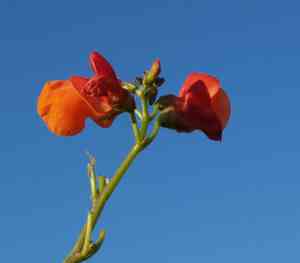
This rapidly developing tropical specimen, featuring vivid blue blossoms, thrives with consistent trimming to preserve its form and stimulate denser foliage. For philippine pigeonwings, pruning is best performed in the colder months when its growth is less active. Shorten elongated stems and eliminate any lifeless or ailing wood. Gentle trimming can foster several cycles of flowering. Utilizing sharp implements for precise cuts aids in averting infections. Pruning is crucial for both the extended lifespan and visual attractiveness of philippine pigeonwings.
What Are the Benefits of Pruning Philippine Pigeonwings?
What Are the Benefits of Pruning Philippine Pigeonwings?
Trimming philippine pigeonwings promotes robust development and maintains its desired form. By eliminating old or overgrown branches, gardeners ensure the plant's energy is directed towards new, healthy growth, resulting in a more vigorous and visually appealing specimen.
What Is the Best Time for Pruning Philippine Pigeonwings?
What Is the Best Time for Pruning Philippine Pigeonwings?
Pruning philippine pigeonwings during the dry season, ideally from late winter to early spring before new growth begins, allows the plant to recover and channel its energy into producing fresh, healthy growth. This timing, after the last frost but prior to the start of the rainy season, helps prevent diseases that can exploit fresh cuts in humid conditions. Additionally, dry season pruning enables the gardener to shape the plant and manage its size without disrupting its flowering cycle, which typically occurs in warmer months. This ensures the plant remains healthy and attractive, while also preserving its natural ability to flower and, if applicable, produce fruit.
What Tools Do I Need to Prune Philippine Pigeonwings?
Hand Pruners
Perfect for precise cuts on young or small branches of philippine pigeonwings, hand pruners provide a clean cut without harming the plant.
Loppers
With their extended handles and powerful cutting mechanism, loppers are excellent for reaching into dense foliage and cutting through thicker branches of philippine pigeonwings that hand pruners cannot manage.
Pruning Saw
For the largest branches of philippine pigeonwings, a pruning saw can quickly cut through branches too thick for loppers.
Garden Scissors
For shaping and refining the softer foliage and flowers of philippine pigeonwings, garden scissors allow for delicate work and minimal plant damage.
Hedge Shears
When philippine pigeonwings is cultivated as a hedge, hedge shears are useful for trimming and shaping large areas of foliage to maintain the desired form.
How to Prune Philippine Pigeonwings
Clean tools
Before beginning the pruning process, ensure all pruning tools are clean and sharp to prevent disease spread and make clean cuts on philippine pigeonwings.
Inspect plant
Carefully examine philippine pigeonwings for dead or diseased branches, noting which parts need trimming to maintain plant health and shape.
Remove dead branches
Using appropriate pruning shears, remove dead branches from philippine pigeonwings by cutting at a slight angle just above a healthy bud, node, or branch junction, ensuring no stub is left.
Cut diseased branches
Trim diseased branches of philippine pigeonwings by cutting them back to healthy tissue. Make sure to cut well below any diseased areas to prevent further infection. Properly dispose of these branches away from healthy plants.
Clean up
After pruning, clear the ground area around philippine pigeonwings of any fallen debris, and sterilize your tools to prevent the spread of pathogens to other plants or future pruning sessions.
Common Pruning Mistakes with Philippine Pigeonwings
Overzealous Pruning
Cutting back philippine pigeonwings too aggressively can shock the plant, leading to poor growth or even death. Avoid removing more than one-third of the plant in a single pruning session.
Improper Cutting Technique
Using dull or dirty tools, or making jagged cuts on philippine pigeonwings can result in disease and pest infestations. Always use clean, sharp pruning shears and make clean cuts.
Ignoring Plant Structure
Failing to consider the natural growth habit of philippine pigeonwings leads to a loss of its aesthetic form. Prune with an understanding of the plant's structure for optimal results.
Neglecting Health and Safety
Skipping the removal of diseased, damaged, or dead branches can leave philippine pigeonwings vulnerable to further illness and pests, while compromising the plant's appearance and vitality.
Disregarding Size Control
Allowing philippine pigeonwings to overgrow before pruning can result in a leggy and unattractive plant. Regular light pruning helps maintain shape and size.
Inadequate Disinfection
Not disinfecting tools between cuts, especially when removing diseased material, can spread pathogens to healthy areas of philippine pigeonwings or to other plants.
Common Pruning Tips for Philippine Pigeonwings
Selective Thinning
Remove only the necessary inner branches of philippine pigeonwings to improve air circulation and light penetration, which encourages healthy growth and flowering.
Timing of Pruning
Prune philippine pigeonwings immediately after flowering to allow time for new growth to mature and bear flowers in the following season.
Crown Shaping
Gently shape the crown of philippine pigeonwings to maintain its natural form, removing any outlier branches that disrupt the desired silhouette.
Deadheading
Regularly remove spent blooms from philippine pigeonwings to promote further flowering and prevent the plant from directing energy into seed production.
Rejuvenation Pruning
For an older philippine pigeonwings, consider rejuvenation pruning to revitalize growth. This involves cutting back the plant significantly, but not excessively, to encourage new shoots.
Use of Proper Tools
Always use the appropriate size and type of pruning shears for philippine pigeonwings, ensuring clean cuts that will heal rapidly without stressing the plant.



