How to Transplant White clintonia?
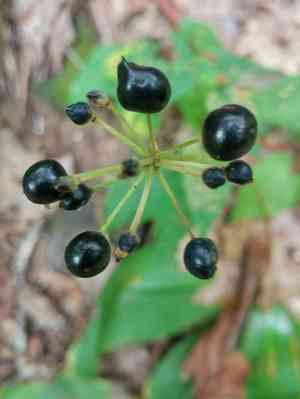
To ensure optimal establishment, relocate white clintonia during the mild period of early to mid-spring, as vegetation recommences. Select a shaded location featuring soil that drains effectively. Bear in mind that careful manipulation safeguards white clintonia's root system, facilitating a smooth acclimation.
What Preparations are Needed Before Transplanting White Clintonia?
What is the Ideal Time for Transplanting White Clintonia?
The perfect time for relocating white clintonia is when nature awakens, from early spring to its middle. This period provides white clintonia the vigor needed to establish roots before summer's warmth. Choosing this timing, white clintonia benefits from cooler soil, lessening transplant shock. This favorable transplant moment leads to a strong summer bloom. Moving white clintonia during this gentle spring phase also aligns with its natural growth cycle, ensuring a smooth transition to its new spot.
How Much Space Should You Leave Between White Clintonia Plants?
Begin by mapping out your garden area so each white clintonia has ample room to flourish. Aim to space them approximately 6-12 inches (15-30 cm) apart. This helps prevent overcrowding, giving each plant the care and space it needs to grow beautifully!
What is the Best Soil Mix for White Clintonia Transplanting?
For your white clintonia, the perfect bed is rich, well-draining soil. Mix in organic matter like compost before planting to nourish your white clintonia. A balanced, slow-release fertilizer can also give your plants a good start. Remember to blend it gently into the soil!
Where Should You Relocate Your White Clintonia?
Select a location where your white clintonia will receive partial shade, as too much direct sunlight might be too harsh. An area beneath the filtered light of a tree, or on the north side of a structure, would be ideal. A thriving white clintonia is a shaded white clintonia!
What Equipments Should You Prepare Before Transplantation White Clintonia?
Gardening Gloves
To safeguard your hands while handling soil and plants.
Shovel or Spade
For excavating the plant and preparing a new hole for relocation.
Garden Trowel
Useful for managing smaller plants or refining the planting cavity.
Watering Can or Hose
For hydrating the plant prior to and following transplantation.
Measuring Tape
To determine the correct spacing between plants during the transplanting process.
Pruning Shears
For trimming any dead or damaged roots or foliage before moving the plant.
How Do You Remove White Clintonia from the Soil?
How Do You Remove White Clintonia from the Soil?
From Ground: First, water the white clintonia plant to moisten the soil. Then, dig a wide trench around the plant using a shovel or spade, ensuring the plant's root ball stays intact. Carefully work the spade under the root ball to lift the plant from its original spot.From Pot: Soak the soil in the pot with water to facilitate removal. Turn the pot on its side and gently tap the sides to loosen the white clintonia. Carefully extract the plant by pulling on the base of the stem, not the leaves.From Seedling Tray: Water the seedling tray to dampen the soil. Place your fingers on either side of the white clintonia seedling's base and gently push it up from the bottom of the tray. Ensure you maintain the root ball's structure.
Step-by-Step Guide for Transplanting White Clintonia
Preparing the New Site
Dig a hole in the transplanting area that is twice as wide and the same depth as the white clintonia's root ball.
Root Pruning
Examine the white clintonia's roots, trimming away any that are broken or dead. This promotes new growth after transplanting.
Placing the Plant
Position the white clintonia in the center of the new hole. The top of the root ball should be level with the soil surface.
Backfilling
Carefully refill the hole with the excavated soil, gently patting it down around the roots to eliminate air pockets.
Watering In
Water the white clintonia thoroughly after transplanting to settle the soil and hydrate the roots.
Mulching
Apply a layer of organic mulch around the base of the white clintonia to retain moisture and suppress weeds.
How Do You Care For White Clintonia After Transplanting?
First Watering
Water the white clintonia deeply after transplanting to aid recovery from transplant shock and to settle the soil around the roots.
Regular Watering Schedule
For the subsequent few weeks, water the white clintonia regularly to maintain consistent soil moisture, encouraging root establishment.
Observation
Closely monitor the white clintonia for signs of stress, such as wilting or discolored leaves, and provide care as needed.
Mulch Refreshment
Check and replenish the mulch layer as necessary to maintain its beneficial properties over time.
Pruning
During the initial growing season after transplanting, prune white clintonia if required to encourage a strong form and healthy growth.
Troubleshooting Common Issues with White Clintonia Transplantation.
What's the ideal time to transplant white clintonia for best growth?
The optimal period to transplant white clintonia is during early to mid-spring, once the ground has thawed.
How far apart should I space white clintonia when transplanting?
For best growth, space white clintonia approximately 6-12 inches (15-30 cm) apart to allow for proper spread and airflow.
What kind of soil is best for transplanting white clintonia?
Plant white clintonia in moist, well-draining soil rich in organic matter to ensure healthy root development.
How deep should the planting hole be for white clintonia?
The hole should be deep enough to accommodate the white clintonia's root ball, with a little extra room for growth.
Can white clintonia be transplanted in full sunlight?
It's best to plant white clintonia in partial shade, as they can be sensitive to intense direct sunlight.
Should I water white clintonia immediately after transplanting?
Yes, water white clintonia thoroughly after transplanting to settle the soil and eliminate air pockets around the roots.
Can white clintonia be transplanted on a rainy day?
Yes, an overcast day with light rain can provide ideal conditions, ensuring the roots remain moist.
Is it necessary to fertilize white clintonia when transplanting?
After transplanting, it's beneficial to add a balanced, slow-release fertilizer to help white clintonia establish.
How do I handle root-bound white clintonia during transplanting?
Gently separate the roots of white clintonia before planting to encourage outward growth.
What should I do if white clintonia wilts after transplanting?
Keep the soil consistently moist and protect white clintonia from strong winds as they establish in their new location.



