How to Propagate White clintonia?
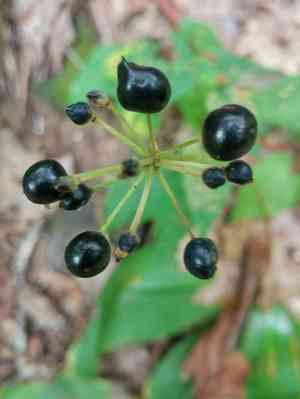
Clintonia borealis is multiplied via a technique known as separation. This entails meticulously detaching the rhizomes, which are the horizontal, typically subterranean stems that generally develop close to the ground's surface. For successful propagation of Clintonia borealis, a gardener would excavate an established cluster during its inactive period and carefully split the rhizomes, making sure each segment possesses at least one budding point. These segments are subsequently re-established in moisture-holding, adequately draining soil with dappled sunlight. Through this approach, Clintonia borealis can be disseminated across the garden or distributed among other aficionados.
When Is the Optimal Time to Propagate White Clintonia?
Propagation Method
Utilize The Tubers
Propagation Period
Spring
What Implements Are Employed in White Clintonia Propagation?
Garden Trowel
A robust garden trowel is vital for carefully excavating sections of white clintonia's tubers without harming adjacent root structures. Its slender blade aids in precise digging, crucial for preserving tuber health during separation.
Sharp Pruning Shears
Pruning shears serve to neatly sever any above-ground stems or roots of white clintonia during tuber division. Their sharp blades ensure swift cuts, minimizing plant stress and reducing infection risk at cut sites.
Misting Bottle
A misting bottle assists in maintaining humidity around newly propagated white clintonia, preventing cuttings from drying out. Regular misting is particularly important during initial root development, fostering a growth-promoting environment.
Rooting Hormone Powder
Applying rooting hormone powder to freshly cut tuber segments of white clintonia can significantly boost root development. This product stimulates the growth of root cells, increasing the likelihood of successful propagation.
Plant Pots with Drainage Holes
High-quality plant pots with sufficient drainage are ideal for housing each separated white clintonia tuber. Drainage holes prevent waterlogging, a condition that can lead to rot and other fungal ailments.
How to Nurture Your Newly Propagated White Clintonia?
How to Nurture Your Newly Propagated White Clintonia?
Post-propagation, place pots in partial shade, mirroring white clintonia's natural forest habitat. Maintain consistent moisture without overwatering, emulating its moist, well-drained environment. Avoid direct sun and extreme temperatures. Gradually acclimate young plants before transplanting to their final garden spots.
Common Errors to Avoid When Propagating White Clintonia
Overwatering
Excessive moisture can cause root rot, which is detrimental because white clintonia possesses delicate root systems that necessitate well-drained soil to prevent moisture-related issues.
Using poor quality soil
Inadequate or unsuitable soil can hinder root development and water drainage, negatively impacting white clintonia's health and diminishing its chances of successful propagation.
Ignoring root division size
Incorrectly sizing divisions can be problematic; divisions that are too small may not be viable, leading to unsuccessful propagation, while excessively large divisions may reduce the total number of plants that could be propagated.
Advice For Propagating White Clintonia
Use well-draining soil
Ensuring the use of well-draining soil is crucial for white clintonia, as it prevents water accumulation around the roots, thereby lessening the risk of root diseases and supporting healthier growth.
Careful root division
Carefully dividing the root during the late dormant season ensures each division possesses adequate roots and shoots to establish itself as a new plant, thus maximizing propagation success.
Maintain humidity
Keeping the environment humid after propagation aids in retaining essential moisture for root growth without making the soil soggy, benefiting the overall growth phase of white clintonia.



