How to Transplant Slender wild basil?
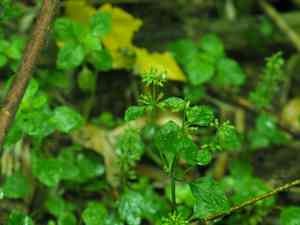
For slender wild basil, the ideal period for relocation extends from the peak of late spring into the heart of mid-summer. Select a spot featuring soil with good drainage and dappled sunlight. Confirm the chosen area replicates slender wild basil's native environment for peak development.
What Preparations are Needed Before Transplanting Slender Wild Basil?
What is the Ideal Time for Transplanting Slender Wild Basil?
The perfect window for relocating slender wild basil spans from the onset of spring blooms through mid-summer. Moving slender wild basil during this vibrant period ensures root establishment in warm soil, promoting optimal development. This season aids slender wild basil in adapting better to outdoor conditions, guaranteeing a strong, flourishing beginning. Shifting slender wild basil in these months encourages vigorous growth, as longer days offer ample sunlight, helping slender wild basil thrive.
How Much Space Should You Leave Between Slender Wild Basil Plants?
Before introducing slender wild basil to your garden, select a location that allows ample room for growth. Position them approximately 12-18 inches apart (30-45 cm). This spacing provides each plant sufficient area to develop without competing for nutrients.
What is the Best Soil Mix for Slender Wild Basil Transplanting?
For optimal slender wild basil health, prepare a well-draining soil blend enriched with compost. A pH ranging from neutral to slightly alkaline is ideal. Prior to planting, amend the soil with a balanced, slow-release fertilizer to give slender wild basil an excellent start.
Where Should You Relocate Your Slender Wild Basil?
Choose a sunny location for your slender wild basil, as they flourish with abundant sunlight. A spot receiving about 6 hours of daily sunlight is perfect. If your area has partial shade, don't worry! Slender wild basil is adaptable and can tolerate some shade.
What Equipments Should You Prepare Before Transplantation Slender Wild Basil?
Shovel or Spade
For excavating and lifting the slender wild basil from its original spot.
Gardening Fork
To assist in loosening the soil without harming the root system during extraction.
Gardening Gloves
To safeguard your hands while handling soil and the plant.
Watering Can or Hose
For hydrating the slender wild basil before and after relocation to minimize transplant shock.
Pruning Shears
To trim any damaged roots or foliage prior to transplanting.
Wheelbarrow or Tarp
To move the slender wild basil, especially when transferring it within the garden.
How Do You Remove Slender Wild Basil from the Soil?
How Do You Remove Slender Wild Basil from the Soil?
From Ground: Hydrate the slender wild basil the day before transplanting to facilitate soil removal and lessen root stress. Use a shovel or spade to dig a wide circle around the slender wild basil, going deep enough to encompass most of the root system, typically 6-12 inches depending on plant size. Carefully slide the shovel beneath the root ball to lift the slender wild basil out of the ground.From Pot: Invert the pot and gently tap its sides to loosen the soil. Grasp the base of the slender wild basil and slowly ease it out of the pot, taking care not to harm the stem or roots.From Seedling Tray: Use a gardening fork or spoon to carefully pry the seedling and its surrounding soil from the tray, ensuring not to damage the root system while keeping a good amount of soil with the root ball.
Step-by-Step Guide for Transplanting Slender Wild Basil
Prepare New Location
Excavate a hole in the ground that is twice the width and equal in depth to the root ball of the slender wild basil.
Inspect Roots
Before transplanting, examine the root ball and use pruning shears to remove any damaged or diseased roots. This promotes healthy new growth.
Position the Plant
Place the slender wild basil in the center of the newly dug hole. Adjust its depth so the plant sits at the same level it occupied in its original spot or container.
Refill the Hole
Carefully backfill the hole with soil around the root ball, gently firming it down without compacting it to eliminate air pockets.
Water Thoroughly
Water the slender wild basil deeply immediately after transplanting to settle the soil and provide ample moisture to the roots.
Support If Necessary
If the slender wild basil is tall or top-heavy, provide support with a stake or trellis, being careful not to damage the root system.
How Do You Care For Slender Wild Basil After Transplanting?
Initial Watering
Water the slender wild basil consistently to maintain evenly moist soil during the first few weeks, as this is crucial for helping the plant establish in its new location.
Mulching
Apply a layer of mulch around the base of the slender wild basil to help retain moisture, regulate soil temperature, and reduce weed competition.
Monitoring
Observe the slender wild basil for signs of transplant shock, such as wilting or discolored leaves, and address issues as needed.
Pruning
Prune only the necessary parts of the slender wild basil to shape and encourage bushier growth, but avoid heavy pruning which could stress the newly transplanted plant.
Staking
Check any stakes or supports regularly to ensure they are still providing the necessary support without damaging the plant.
Troubleshooting Common Issues with Slender Wild Basil Transplantation.
When's the best time to transplant slender wild basil?
Optimal transplanting is in the gentle warmth of late spring to mid-summer for this perennial delight.
How far apart should slender wild basil be spaced when transplanting?
Space each slender wild basil about 12-18 inches (30-45 cm) apart to give them room to breathe and flourish.
Why is my slender wild basil wilting after transplant?
Wilting could mean your slender wild basil needs more water, especially right after transplant. Regular, gentle watering should help.
What's the ideal soil for transplanting slender wild basil?
A well-draining soil rich in organic matter makes the perfect bed for slender wild basil to thrive post-transplant.
Should I prune slender wild basil when transplanting?
Yes, a light trim encourages healthy growth. Prune just enough to stimulate without causing stress to slender wild basil.
How deep should I plant slender wild basil's roots?
The root ball should be planted at the same depth it was in its previous container or location.
My slender wild basil isn't thriving post-transplant, what could be wrong?
Check for proper sunlight and moisture levels. Slender wild basil enjoys sunny spots with regular watering, but not soggy soil.
How can I prevent transplant shock in slender wild basil?
Ensure a smooth transition by keeping the transplanting soil moist and avoiding extreme temperature changes.
Can slender wild basil be transplanted in containers?
Absolutely, slender wild basil adapts well to container living as long as the pot provides ample space and proper drainage.
Is it necessary to fertilize slender wild basil after transplanting?
Fertilization isn't immediately necessary. Let slender wild basil settle for a few weeks, then apply a balanced fertilizer sparingly.



